Dunnottar Castle — History & Facts
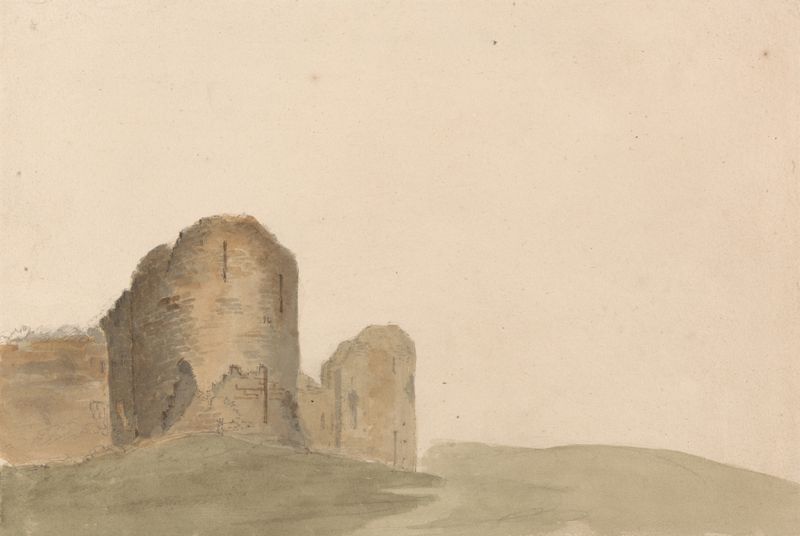
In the hands of the artist, creation becomes a dialogue between the canvas and the soul, resonating with life and memory. Look to the left at the craggy cliffs that cradle Dunnottar Castle, where jagged edges meet the soft hues of the sea. The castle, a fortress of stone, stands defiantly against the tumultuous waves, its towering silhouette stark against a sky that shifts from gold to deep indigo. Notice how the light bathes the castle in warmth, while shadows deepen the surrounding landscape, creating a dramatic interplay that pulls the viewer into this moment of contrast between man and nature. Delve deeper into the details; the turbulent waves dance as if caught in an eternal struggle, mirroring the resilience of the castle.
Each brushstroke conveys a history, an echo of storms weathered and battles fought, while the tranquil sky hints at the possibility of peace. The rich palette evokes both the raw power of the elements and the quiet strength of the stone structure, suggesting that beauty often lies within hardship. James Moore painted this evocative scene in 1792, a time when Romanticism was awakening in the art world, emphasizing emotion and the sublime aspects of nature. Living in Scotland, he was surrounded by the majestic landscapes that inspired his work, and the historical significance of the castle shaped his creative vision.
This period was marked by a growing appreciation for the picturesque, transforming the way artists conveyed their relationship with the environment and their history.