
Dutch Landscape — History & Facts
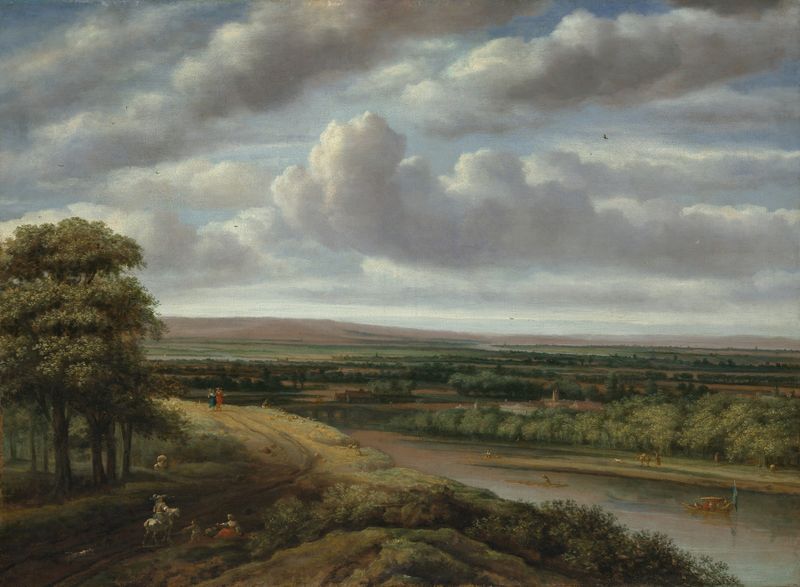
When did color learn to lie? In Dutch Landscape, hues bend reality, evoking a world both familiar and surreal. Focus on the vibrant greens of the fields, their buoyant life contrasting with the muted blues of the sky. Notice how the delicate brushstrokes create texture in the land, leading your gaze toward the horizon where a soft light bathes the landscape in warmth. The winding path draws the viewer’s eye into the distance, inviting exploration while hints of white clouds float gently overhead, as if caught in a dream. The interplay of light and shadow tells a story beyond mere representation.
The way the clouds gently obscure the sun hints at the fleeting nature of beauty and the passage of time. Hidden beneath the surface are the underlying tensions of peace and solitude, as solitary figures traverse the terrain, seemingly lost amidst the vast expanse of nature. This landscape whispers of both wonder and introspection, a reminder of humanity’s smallness against the grandeur of the world. Created between 1660 and 1670, this work by Philips Koninck emerged during a time when the Dutch Golden Age was in full bloom, marked by a flourishing of artistic innovation and a deep appreciation for the natural world.
Living in Amsterdam, Koninck was influenced by his contemporaries, yet his unique approach to color and light distinguished him within the vibrant art scene of the period.
More Artworks by Philips Koninck
Browse all →
A Panoramic Landscape
Philips Koninck

Dutch Panorama Landscape with a Distant View of Haarlem
Philips Koninck
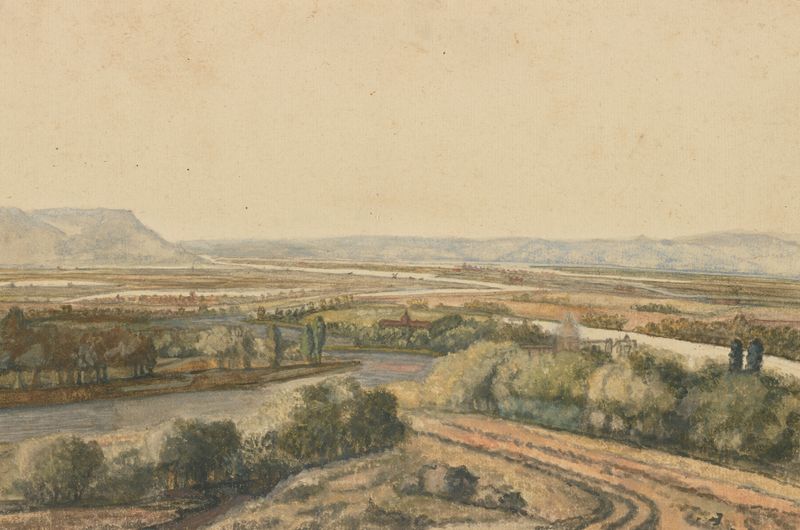
River Landscape
Philips Koninck
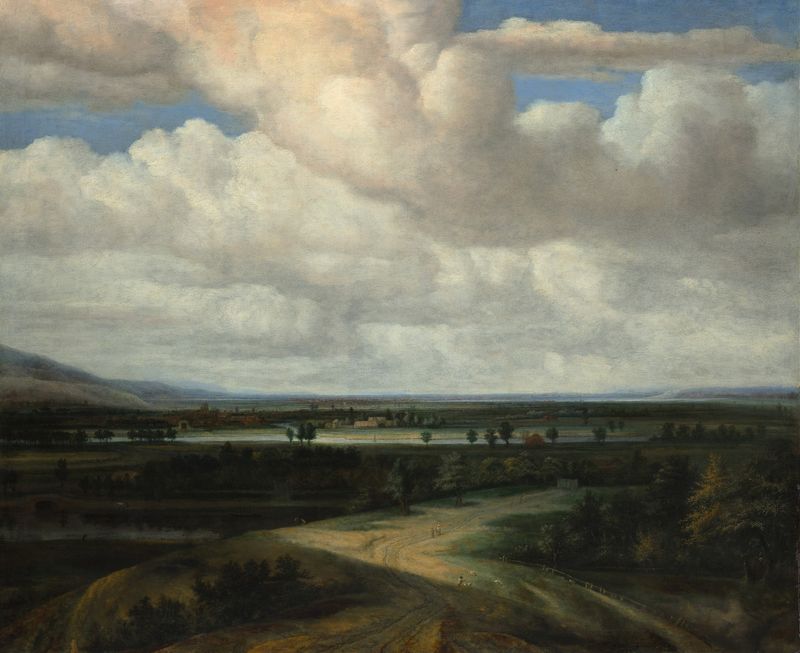
A Panoramic Landscape with a Country Estate
Philips Koninck
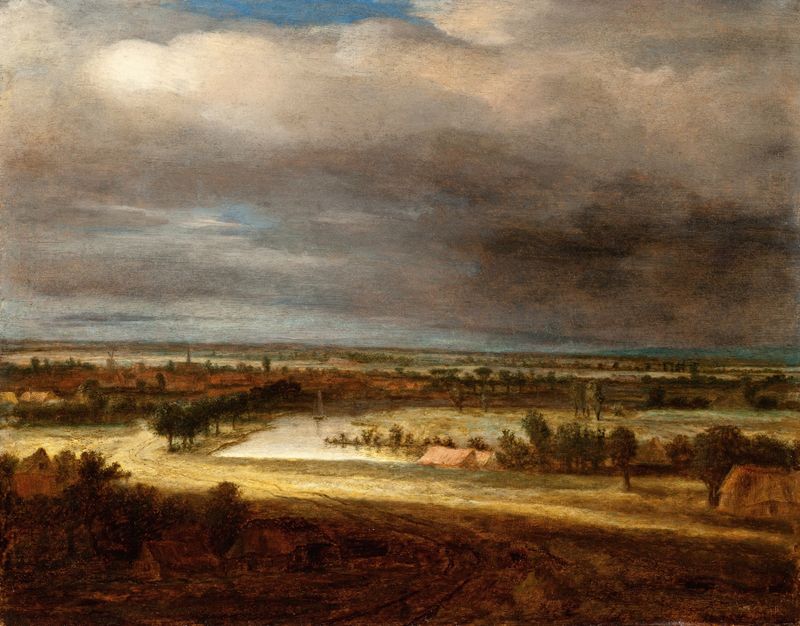
Panoramic Landscape with a Village
Philips Koninck
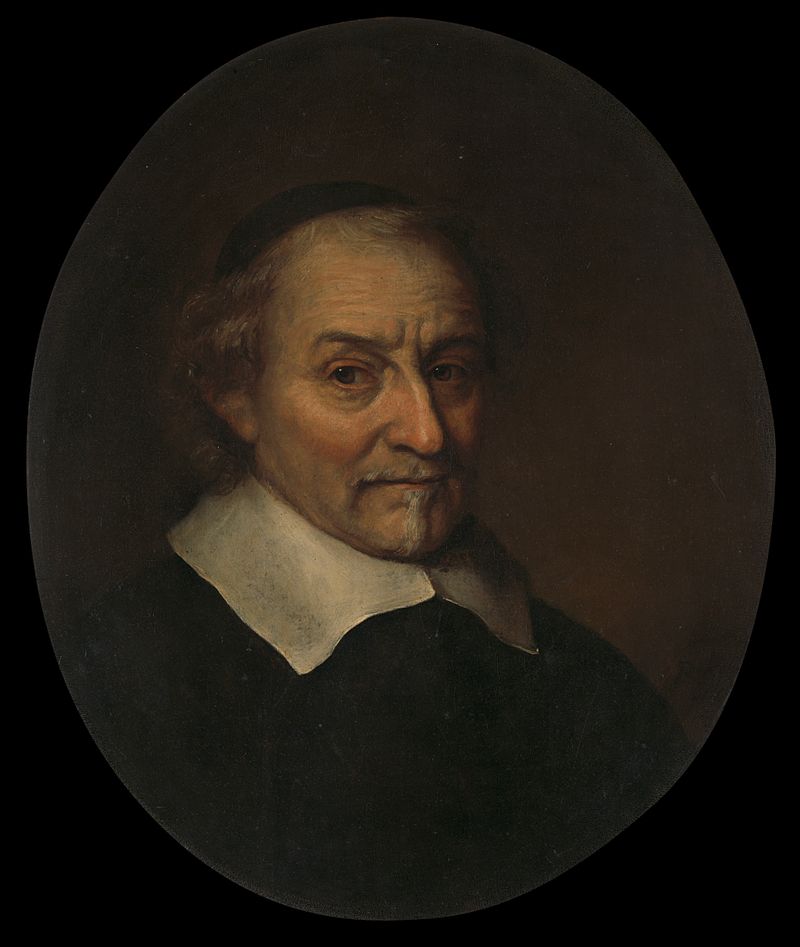
Joost van den Vondel (1587-1679), Poet
Philips Koninck

Joost van den Vondel (1587-1679), Poet
Philips Koninck

River Landscape
Philips Koninck

Wide River Landscape
Philips Koninck
An Extensive Wooded Landscape
Philips Koninck





