
dwie wierzby — History & Facts
In the delicate interplay of hues and textures, transformation quietly unfolds, inviting contemplation of change and permanence. Look to the left, where a soft wash of greens envelops two willows standing sentinel along the water's edge. The gentle curve of their branches creates a rhythmic dance, leading the eye toward the stillness of the pond that reflects their graceful shapes. Notice how the light filters through the leaves, casting intricate shadows that play upon the ground, suggesting a fleeting moment caught between dusk and dawn. Beneath the surface of this serene landscape lies a tension between the vitality of nature and the inevitability of decay.
The willows, while lush and inviting, hint at the passage of time; their drooping forms symbolize both resilience and fragility. The subtle contrast between dark and light evokes a sense of duality — the transient beauty of life and the permanence of memory. Each brushstroke captures the essence of transformation, as the scene transitions from one moment to the next, an eternal cycle of growth and decline. In 1910, the painter created this work during a period of introspection and innovation in Europe, where the influence of Impressionism was still vibrant.
Ivan Ivanec was immersed in exploring his own artistic language, seeking to bridge the gap between realism and abstraction. This painting reflects his engagement with the natural world and his desire to convey deeper emotional truths, as he navigated the rapidly changing landscape of early 20th-century art.
More Artworks by Ivan Ivanec
Browse all →
Pejzaż górski z rzeką
Ivan Ivanec
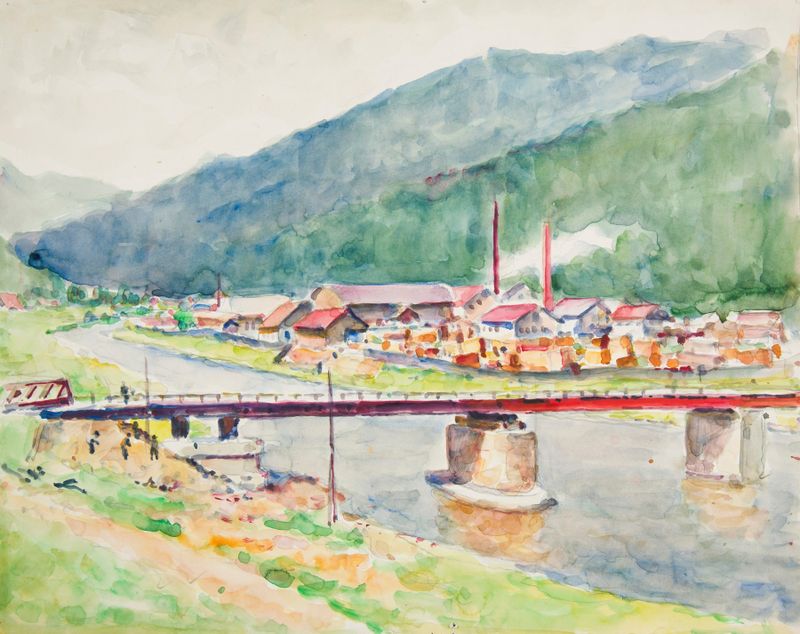
Krajobraz z widokiem na most na górskiej rzece
Ivan Ivanec
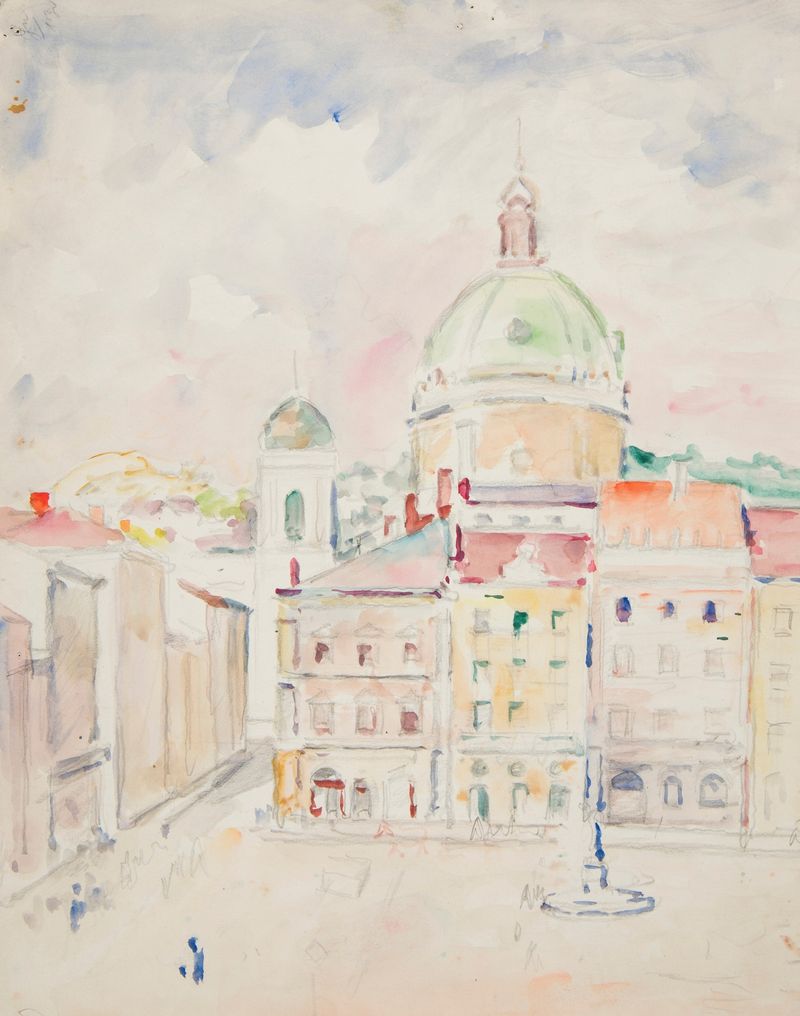
widok na fragment Rynku i kościół Dominikanów
Ivan Ivanec
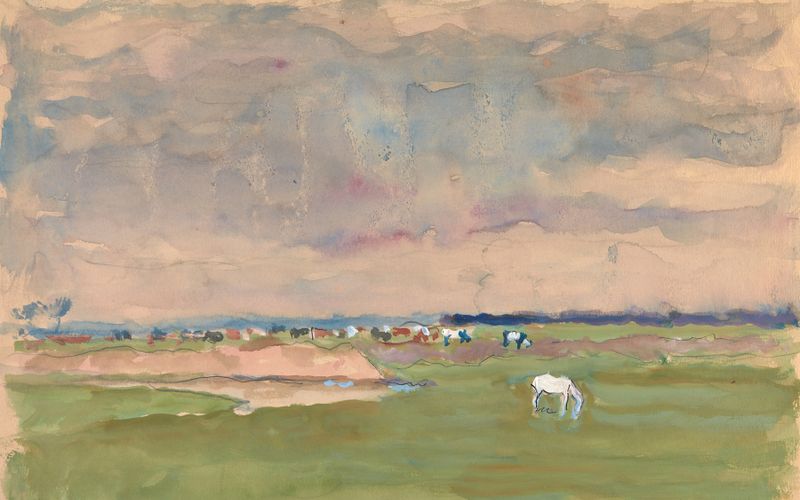
Pejzaż letni z koniem i krowami na pastwisku
Ivan Ivanec
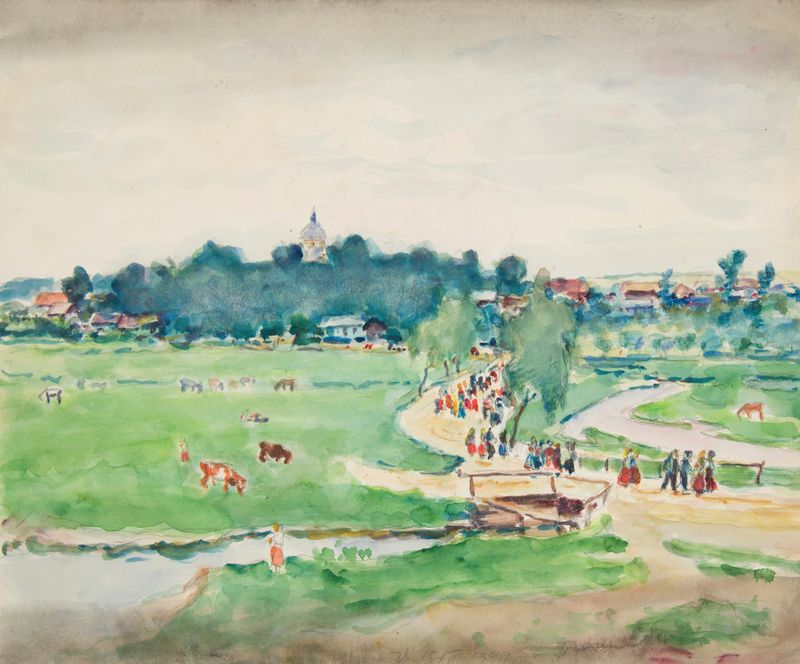
Pejzaż wiejski ze sztafażem
Ivan Ivanec
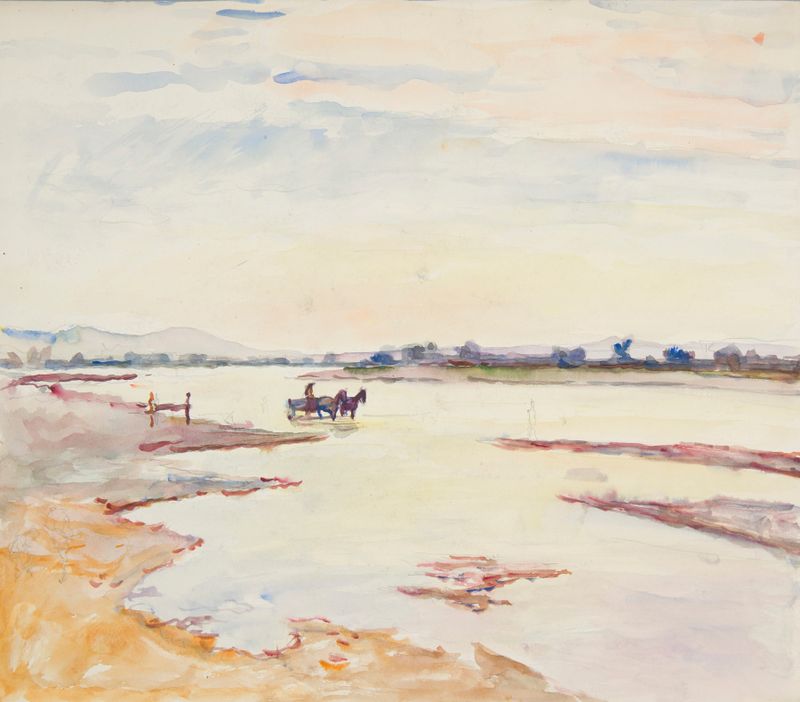
pejzaż z rzeką
Ivan Ivanec

Archikatedralny sobór św. Jura we Lwowie
Ivan Ivanec

Letni pejzaż z domami pośród wzgórz
Ivan Ivanec
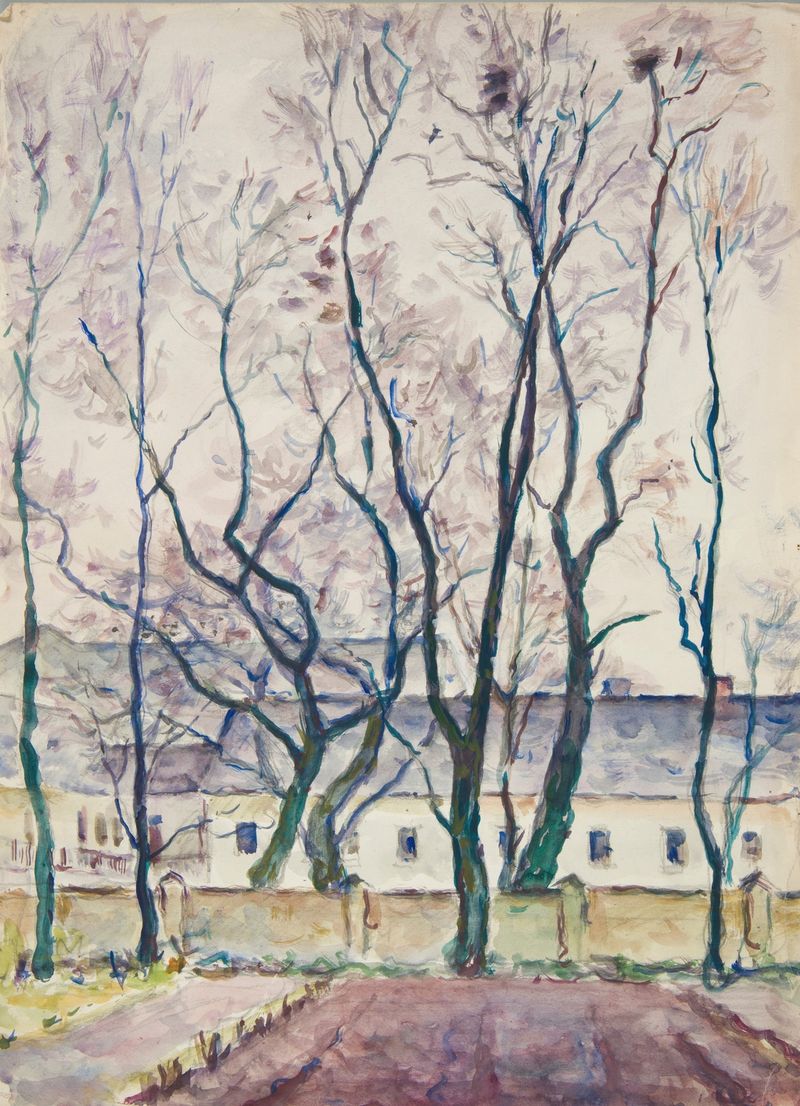
Pejzaż z drzewami i zespołem architektonicznym za murem
Ivan Ivanec
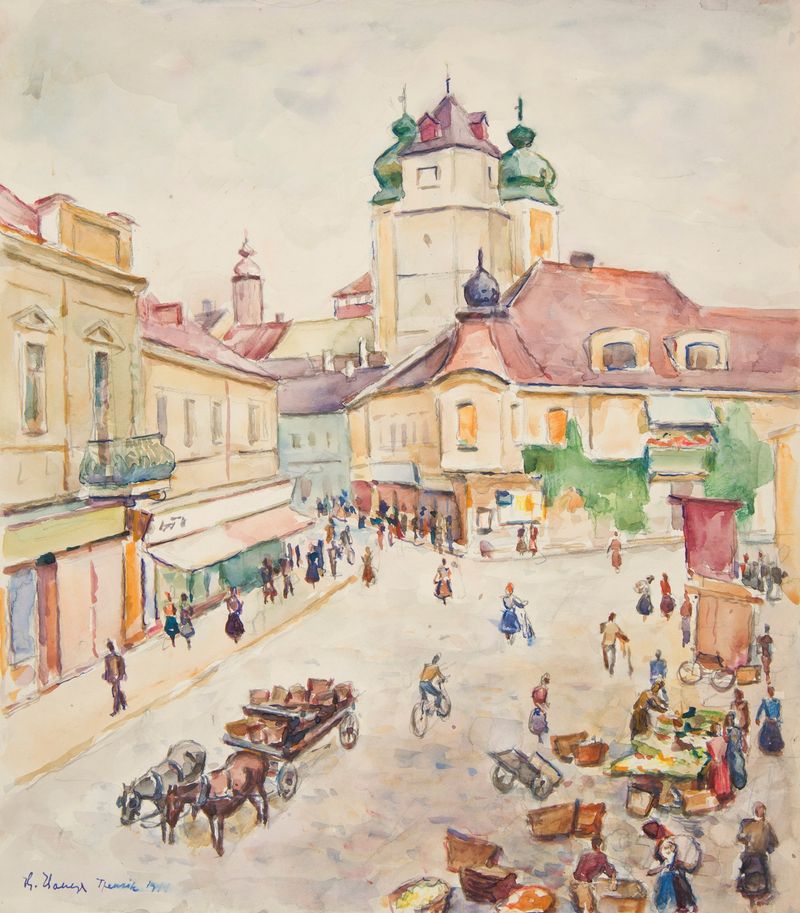
Trenczyn – widok fragmentu miasta
Ivan Ivanec





