
Ecce Homo — History & Facts
Can beauty exist without sorrow? This enduring question echoes through time, embodied in the haunting visage of the figure before us. The anonymous creator of this poignant work invites us to explore the delicate interplay of anguish and grace, offering a reflection on the fragility of the human experience. Look to the center of the composition, where the figure of Christ appears crowned with thorns. The artist's deft use of chiaroscuro serves to illuminate both the figure’s sorrowful expression and the intricate details of his suffering, drawing our gaze to the weary contours of his face.
The muted palette of earth tones and deep shadows enhances the emotional weight, while the subtle highlights across his brow suggest both vulnerability and resilience. This careful balance transforms the artwork into a visual prayer, offering a moment for contemplation. As you observe the light filtering through the darkness, consider the contrast between the figure's serene demeanor and the torment woven into his crowning. Each thorn symbolizes the burdens of humanity, while the fluidity of drapery around him evokes a sense of motion, as if he is caught between worlds.
This tension between pain and peace compels us to confront our own emotional landscapes, prompting us to find beauty in the struggle. This work was created during the late 17th century, a time when religious art was pivotal in Europe, often fueled by the Counter-Reformation's desire to inspire spiritual reflection. The artist remains unknown, yet their skillful execution and profound subject matter resonate with the ongoing dialogue of faith and suffering. In this era marked by turmoil and religious strife, Ecce Homo stands as a testament to the enduring human spirit, encapsulating a moment of beauty amidst sorrow.
More Artworks by Unknown Artist
Browse all →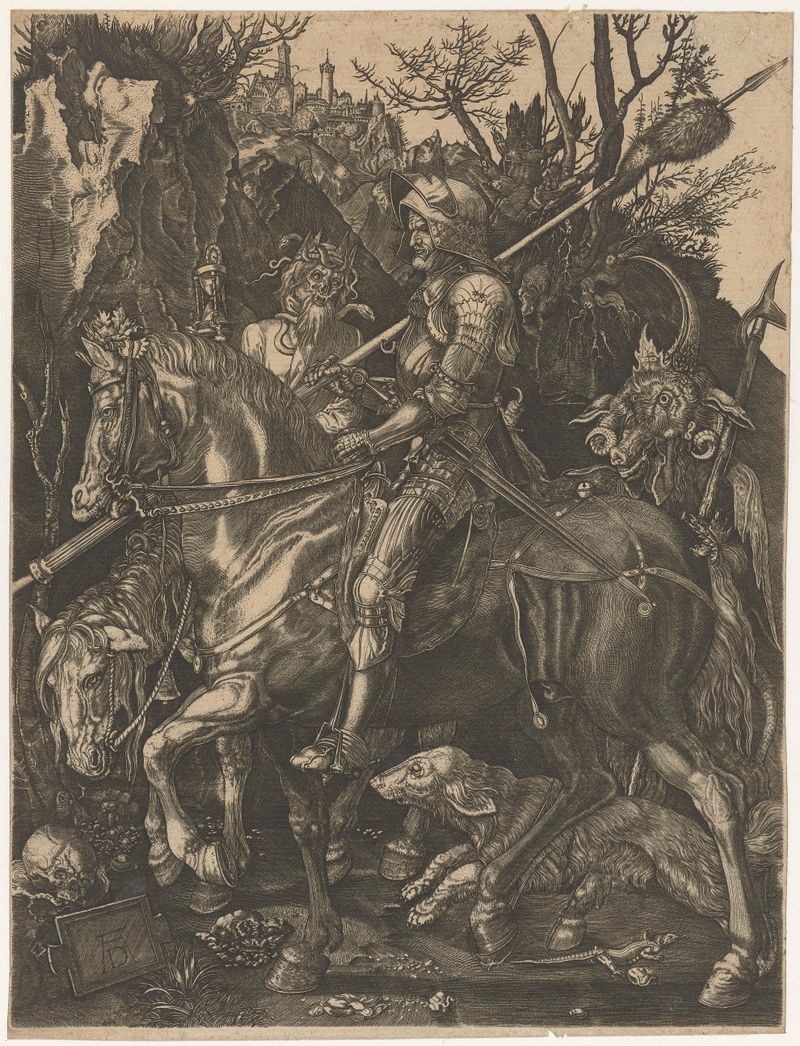
Ridder, Dood en Duivel
Unknown Artist
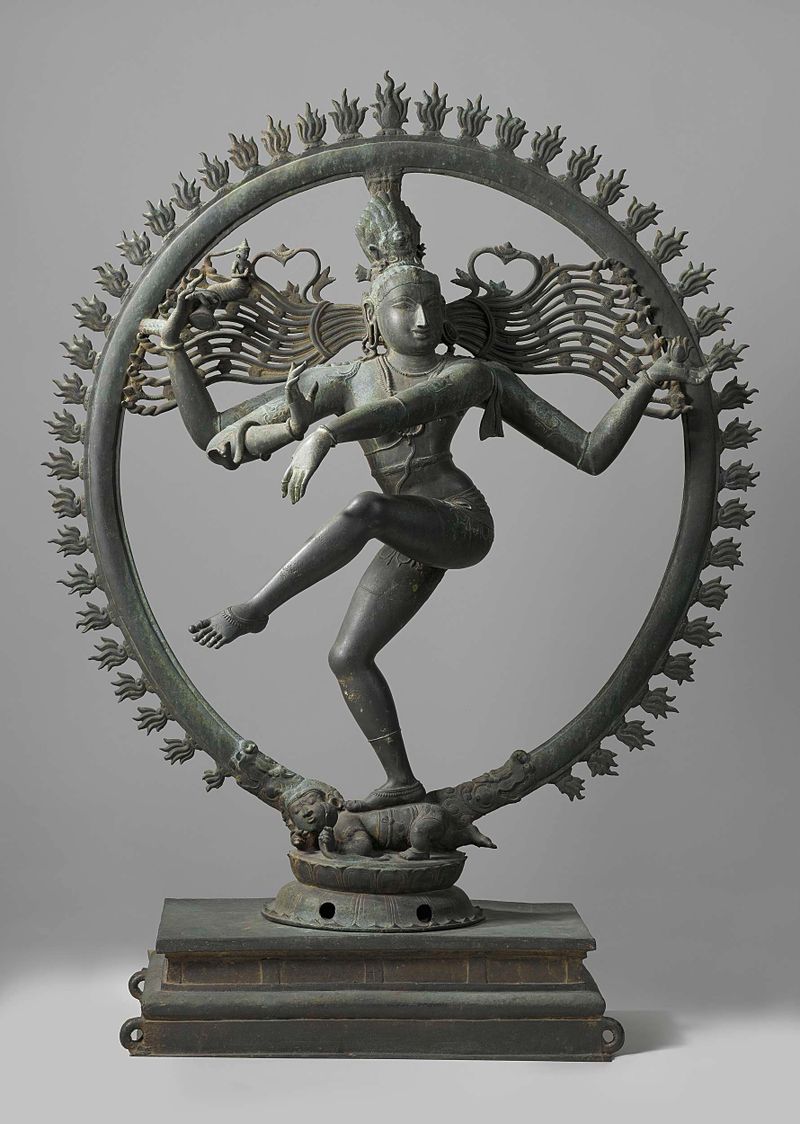
Shiva Nataraja
Unknown Artist
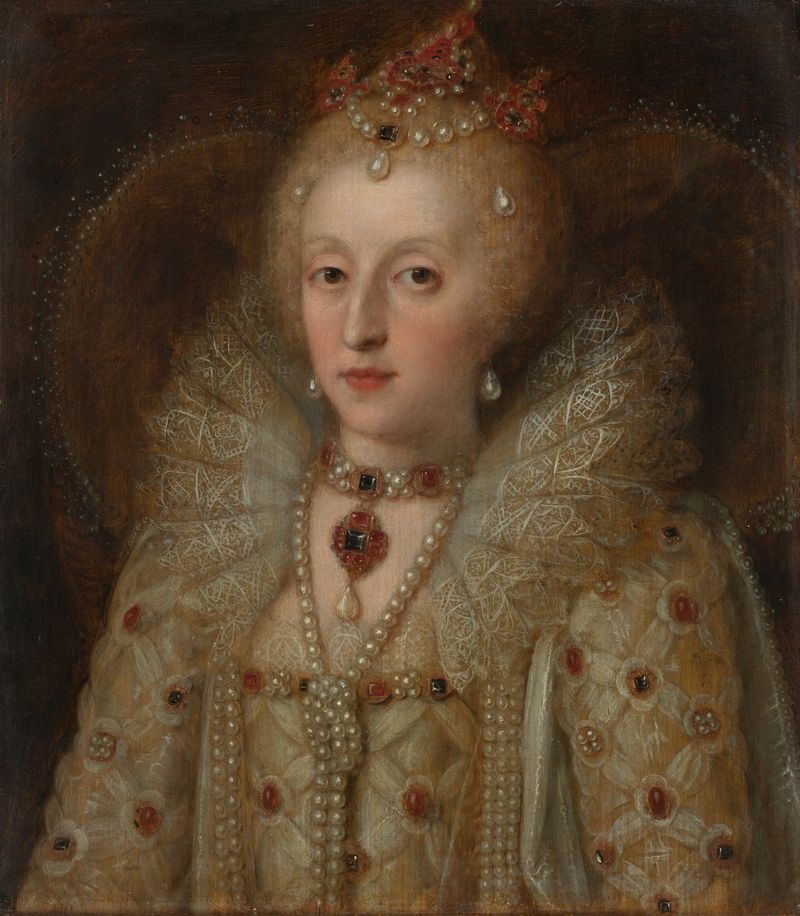
Portrait of Elizabeth I, Queen of England
Unknown Artist
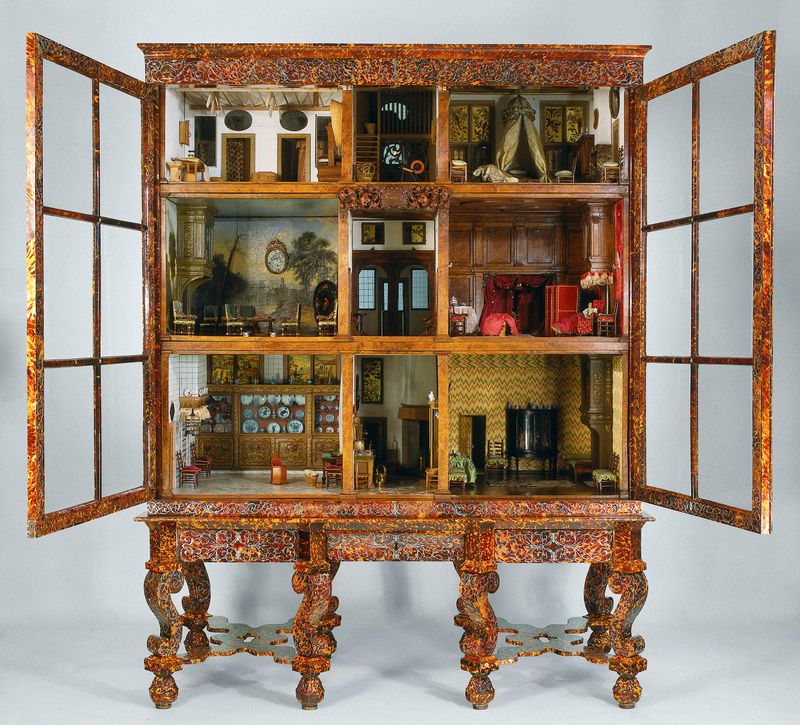
Dolls’ house of Petronella Oortman
Unknown Artist
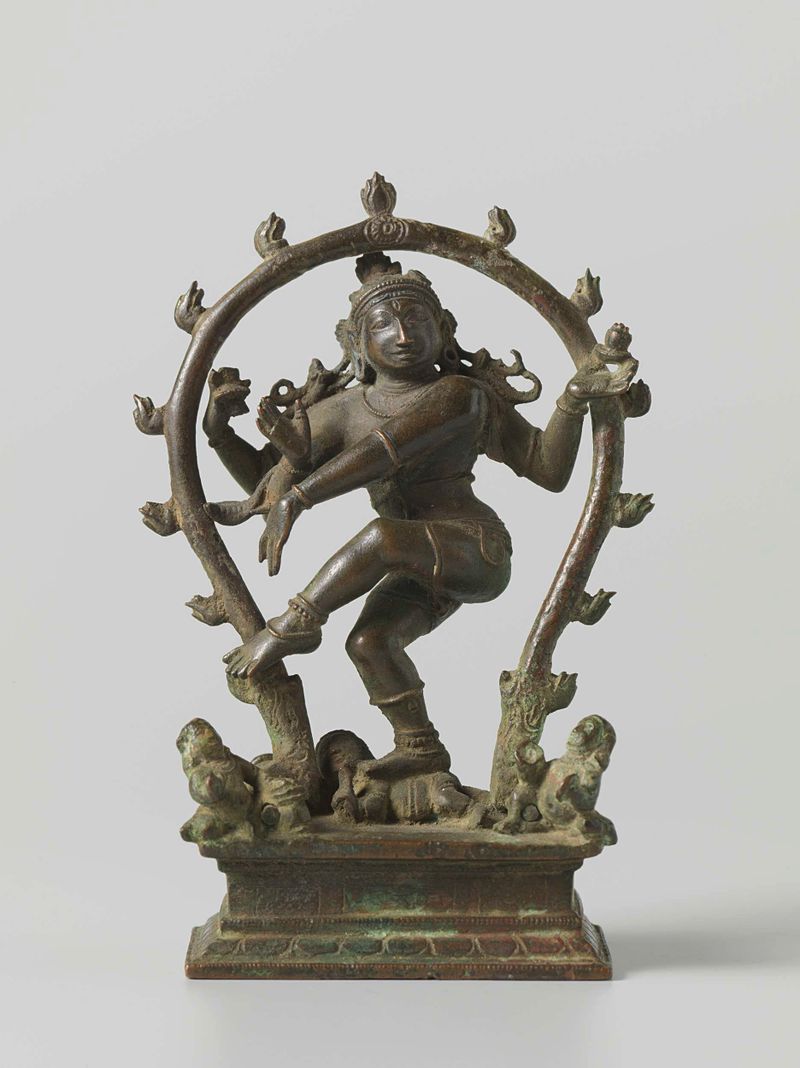
Shiva Nataraja
Unknown Artist

The Tale of Genji
Unknown Artist

The Tale of Genji
Unknown Artist

Cong
Unknown Artist
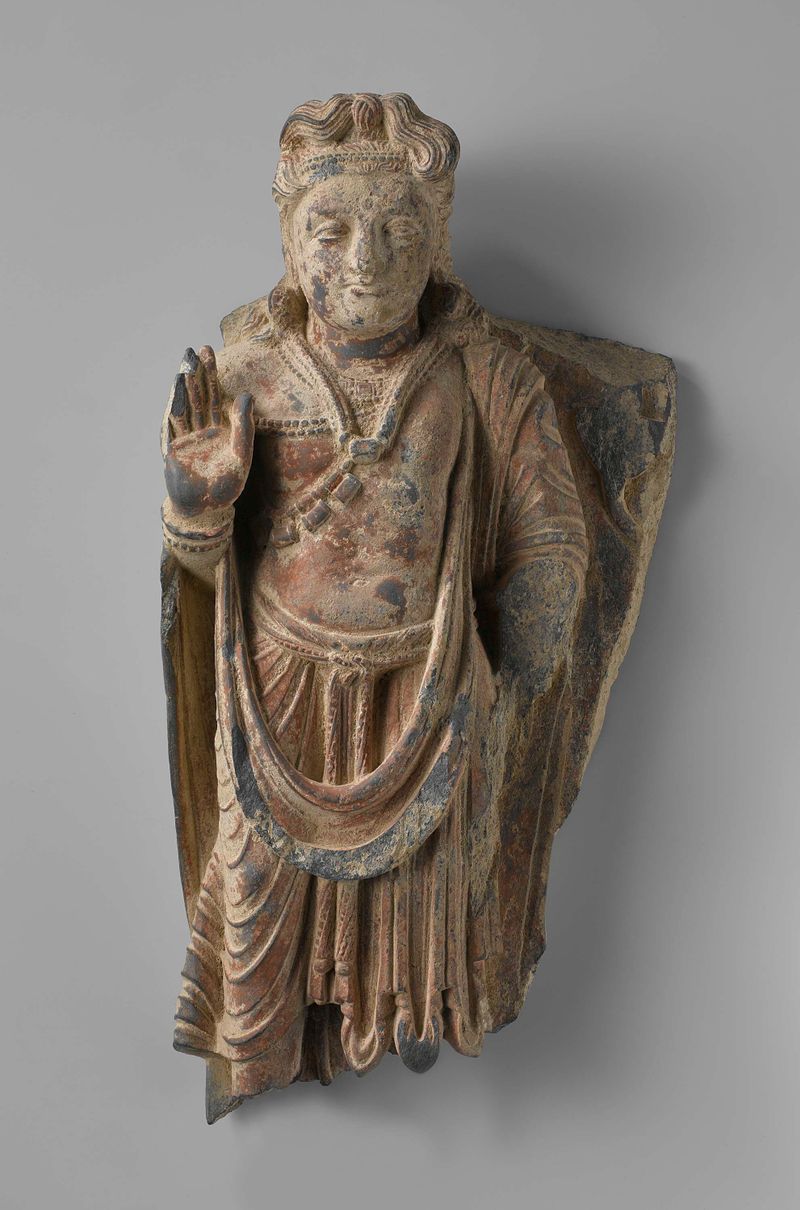
The bodhisattva Maitreya
Unknown Artist

Teabowl with a 'hare's fur' glaze
Unknown Artist
More Religious Art
Browse all →
The Return of the Prodigal Son
Rembrandt van Rijn

The Garden of Earthly Delights
El Bosco

Count Orgaz’ funeral
El Greco

The Hundred Guilder Print: the central piece with Christ preaching, the plate arched
Rembrandt van Rijn

The Descent from the Cross
Rogier van der Weyden

The return of the prodigal son
Rembrandt van Rijn