
Een familie verrast door de Dood — History & Facts
When did color learn to lie? In the hands of an unknown artist, hues become whispers of truth and deception, weaving a complex narrative around the inevitable. Focus on the solemn gathering at the center of the composition, drawing your gaze to the figures encircling a deathbed. The muted palette of deep greens and browns creates a somber atmosphere, while the stark contrast of lighter flesh tones highlights the pallor of the deceased. Notice how the artist skillfully uses light to cast a gentle illumination on the faces of the mourners, each expression revealing a blend of grief and resignation, inviting contemplation of mortality’s grip. Hidden beneath this emotional façade lies a tension between the vibrancy of life and the stark finality of death.
The family’s gestures—some reaching out, others clasping hands—speak of connection and separation, a delicate balance that echoes our own struggles with loss. Consider too the intricate details, like the patterns on the garments, which reflect the societal status of the figures and evoke a sense of history that transcends the moment captured. Created between 1523 and 1599, this work is a product of an era rich in both artistic experimentation and spiritual reflection. The artist, whose identity remains a mystery, was likely influenced by the cultural shifts of the Reformation and the increasing exploration of human emotion in art.
In a world grappling with the dualities of life and death, this piece invites viewers to ponder the intersections of personal loss and collective experience.
More Artworks by Unknown Artist
Browse all →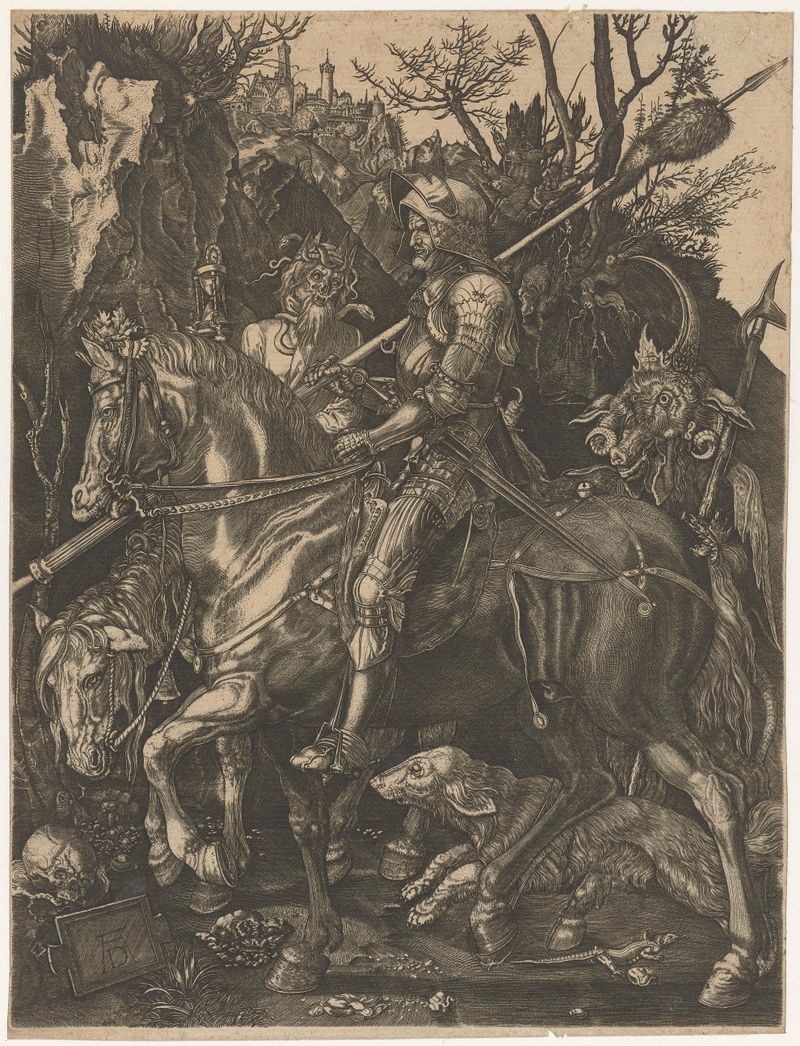
Ridder, Dood en Duivel
Unknown Artist
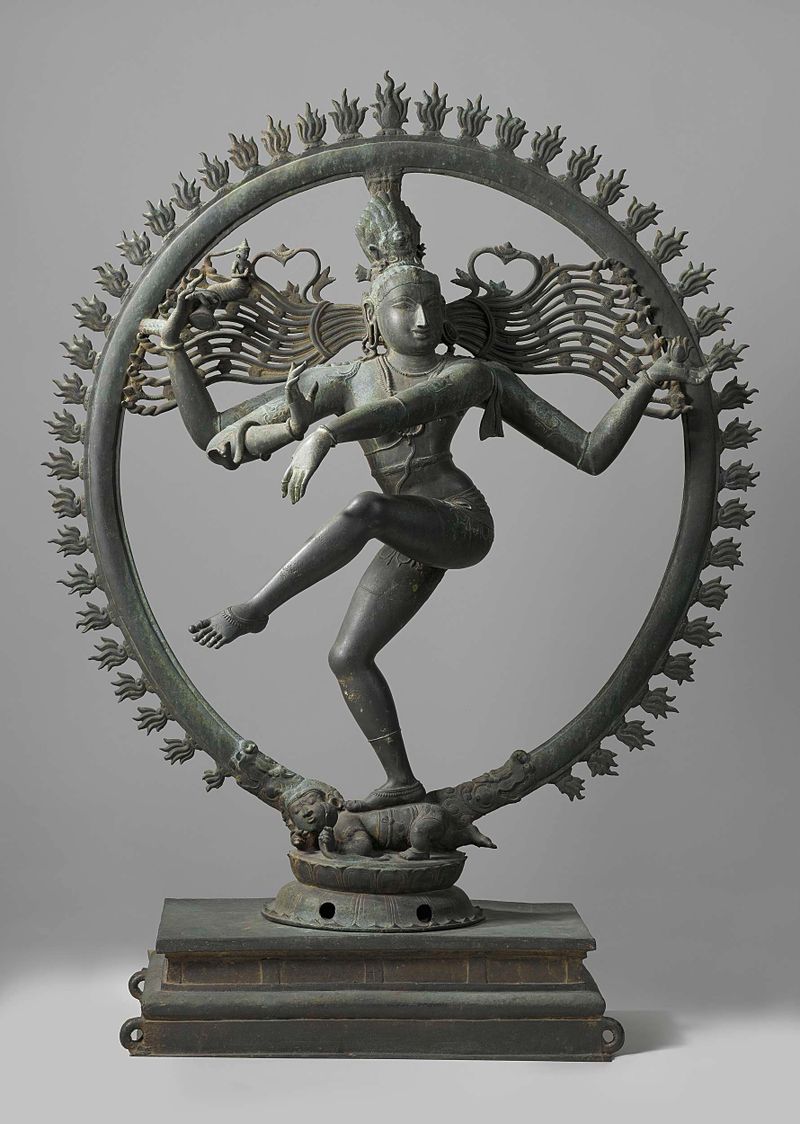
Shiva Nataraja
Unknown Artist
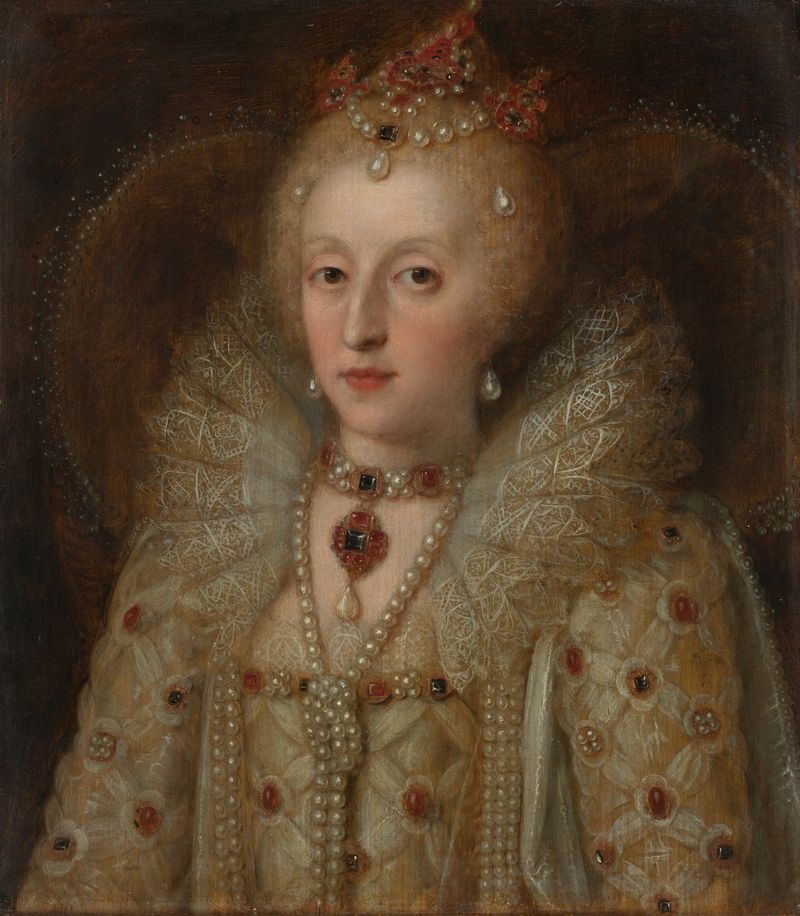
Portrait of Elizabeth I, Queen of England
Unknown Artist
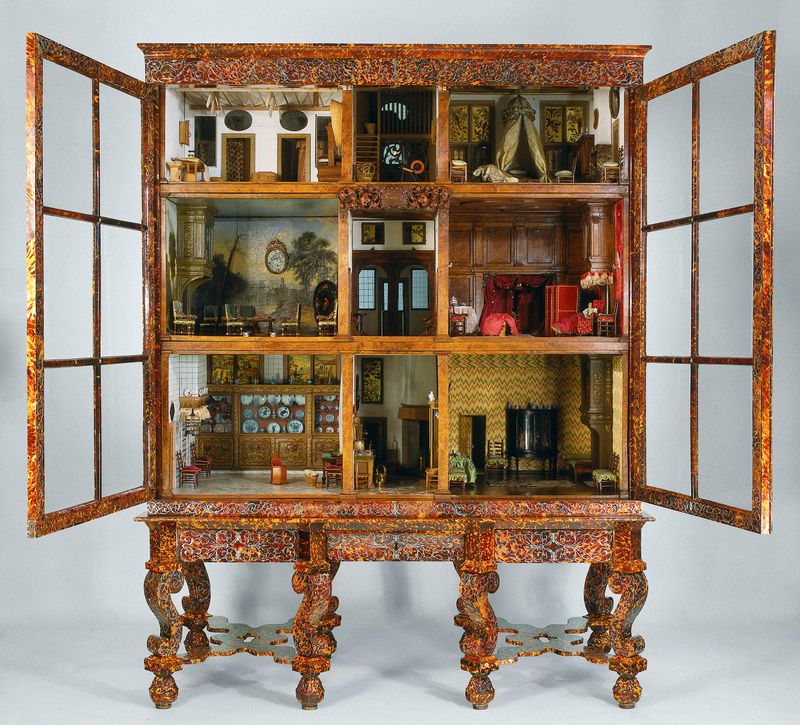
Dolls’ house of Petronella Oortman
Unknown Artist
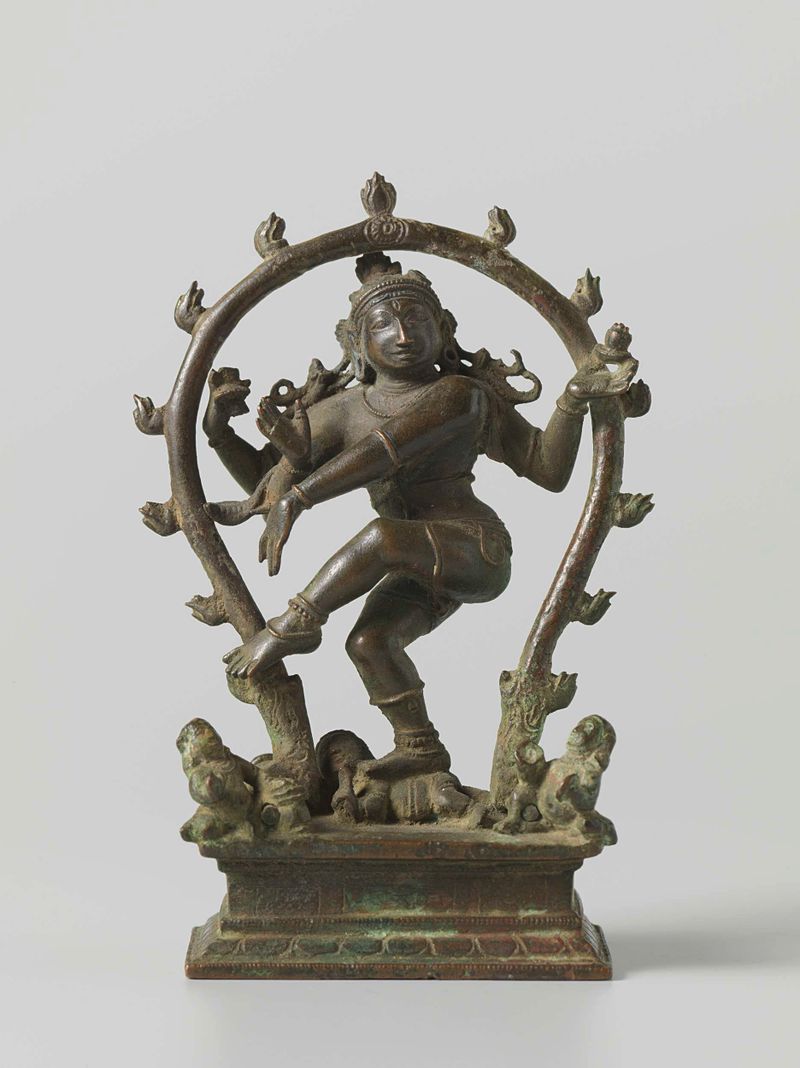
Shiva Nataraja
Unknown Artist

The Tale of Genji
Unknown Artist

The Tale of Genji
Unknown Artist

Cong
Unknown Artist
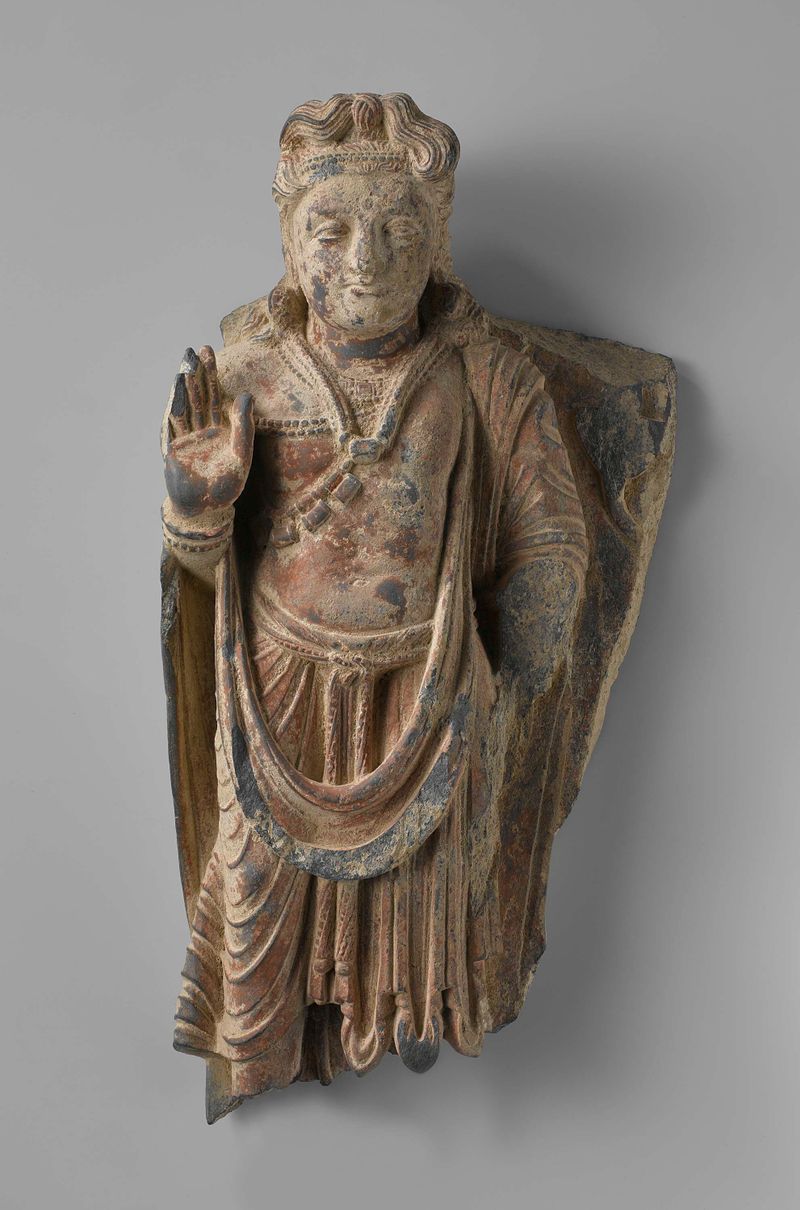
The bodhisattva Maitreya
Unknown Artist

Teabowl with a 'hare's fur' glaze
Unknown Artist
More Religious Art
Browse all →
The Return of the Prodigal Son
Rembrandt van Rijn

The Garden of Earthly Delights
El Bosco

Count Orgaz’ funeral
El Greco

The Hundred Guilder Print: the central piece with Christ preaching, the plate arched
Rembrandt van Rijn

The Descent from the Cross
Rogier van der Weyden

The return of the prodigal son
Rembrandt van Rijn