
En udsigt af Møns kridtbjerge II — History & Facts
What if silence could speak through light? In the haunting stillness of En udsigt af Møns kridtbjerge II, the landscape whispers of loss, evoking a sense of longing that transcends time. Look to the left of the canvas, where the stark, pale cliffs rise against a brooding sky, their surface subtly textured as if echoing the weight of memory. The soft gradient of blues mingles with the creamy white of the chalk formations, creating an ethereal glow that draws the eye. Notice how the horizon blurs, a delicate interplay of color that signifies both distance and separation, while the gentle curves of the cliffs contrast with the sharpness of their edges, reflecting the tension between beauty and fragility. Beneath the serene beauty lies an undercurrent of emotional depth.
The juxtaposition of the tranquil landscape with the looming heaviness of the sky invites contemplation of the passage of time and the inevitability of change. The cliffs, solid yet subject to erosion, symbolize the impermanence of existence, while the light dances across their surface, embodying moments that flicker before fading away. This interplay of light and shadow becomes a metaphor for the human experience — a reminder that everything cherished is also susceptible to loss. Painted between 1802 and 1803, this work emerged during a period of profound change in Denmark and across Europe.
As Søren L. Lange focused on capturing the natural beauty of his homeland, he was also navigating the personal challenges that came with the evolving artistic landscape. The Romantic movement was gaining momentum, emphasizing emotion and individuality, and Lange's exploration of these themes in his landscapes reflected both a personal and a collective yearning for connection with nature amidst the turmoil of the time.
More Artworks by Søren L. Lange
Browse all →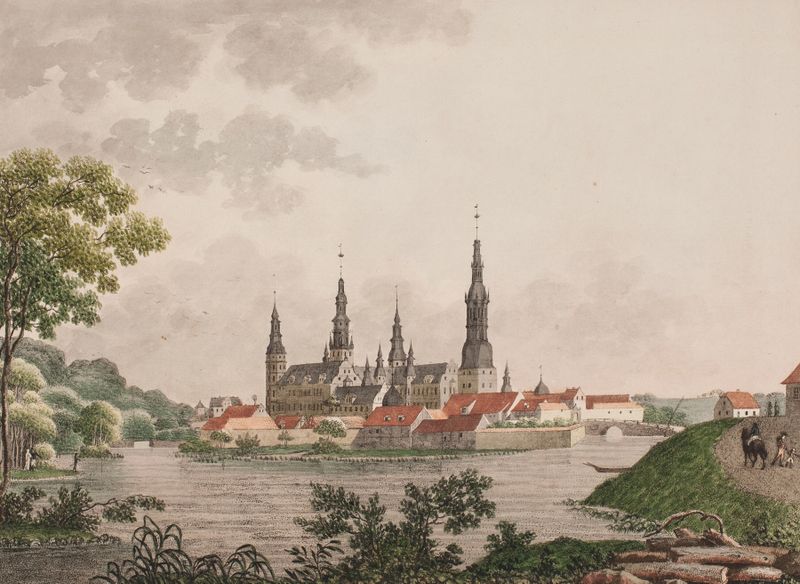
Prospekt af det kongelige slot Frederiksborg på Sjælland
Søren L. Lange
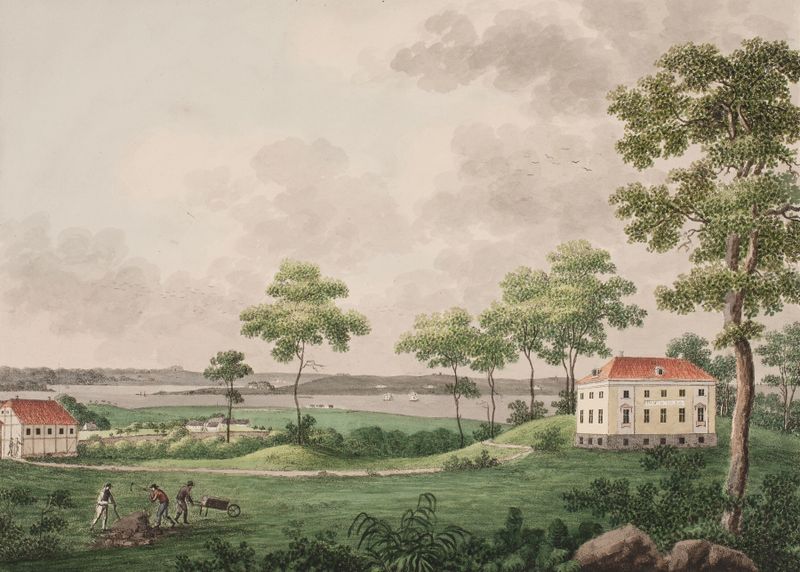
Udsigt af en Parcelle ved Grønsund på Falster under det Classenske Agerdyrknings Institut
Søren L. Lange
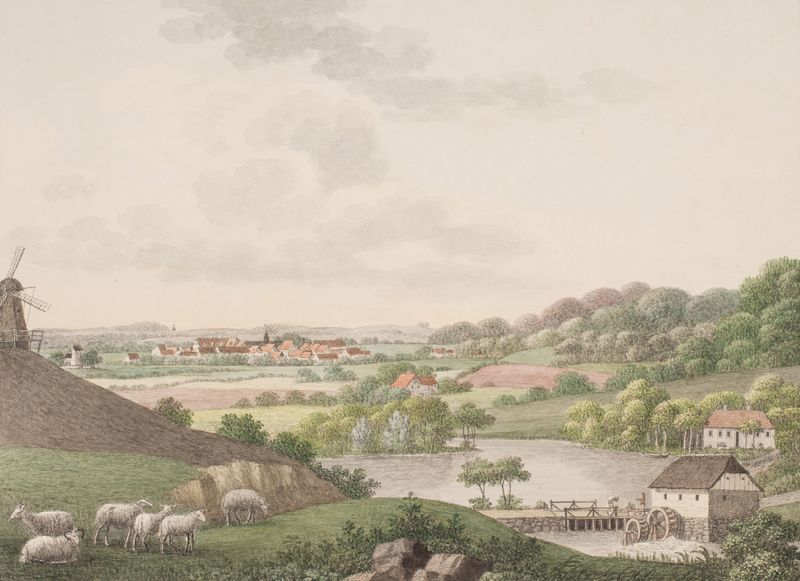
Christiansfeld, fra den østlige side
Søren L. Lange
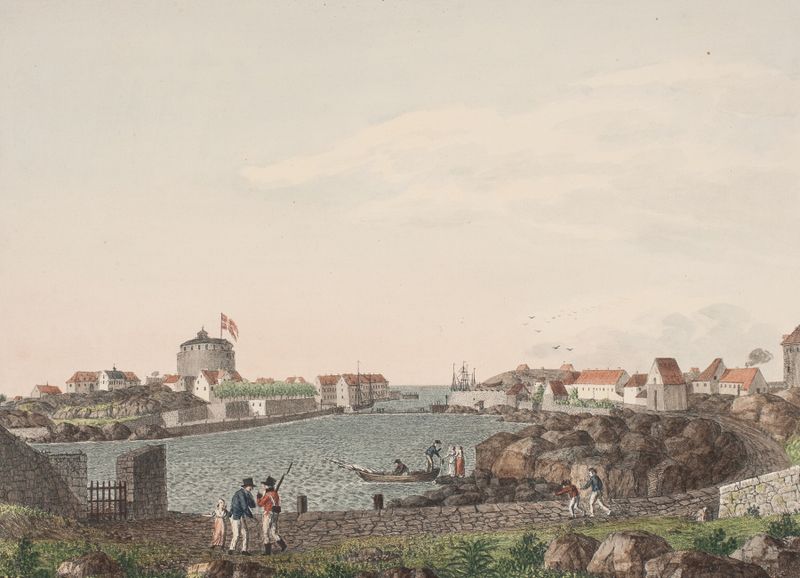
Christiansø. Nordhavnen
Søren L. Lange
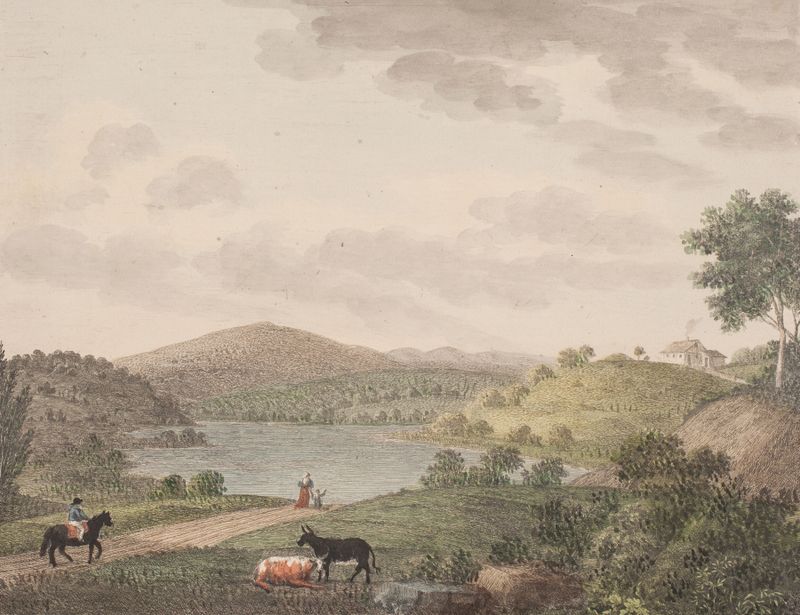
Aborrebjerget. En udsigt på Møn
Søren L. Lange
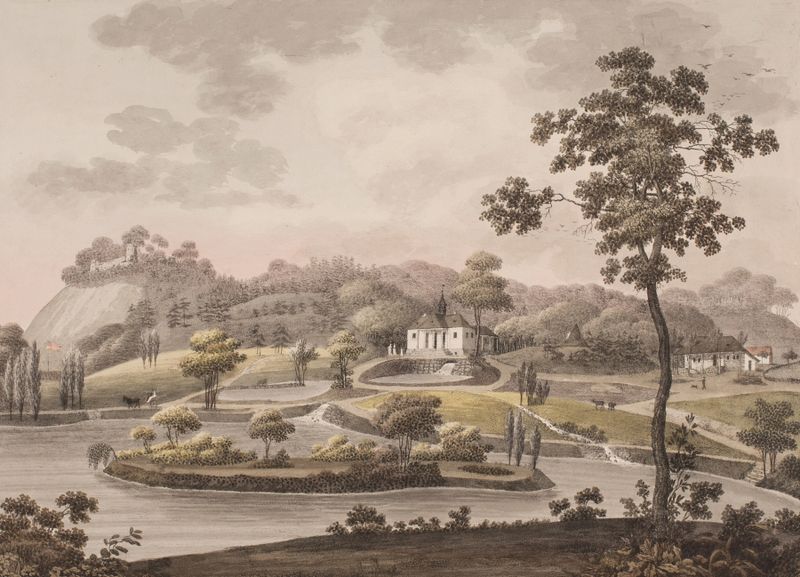
Liselund på Møn i Danmark
Søren L. Lange
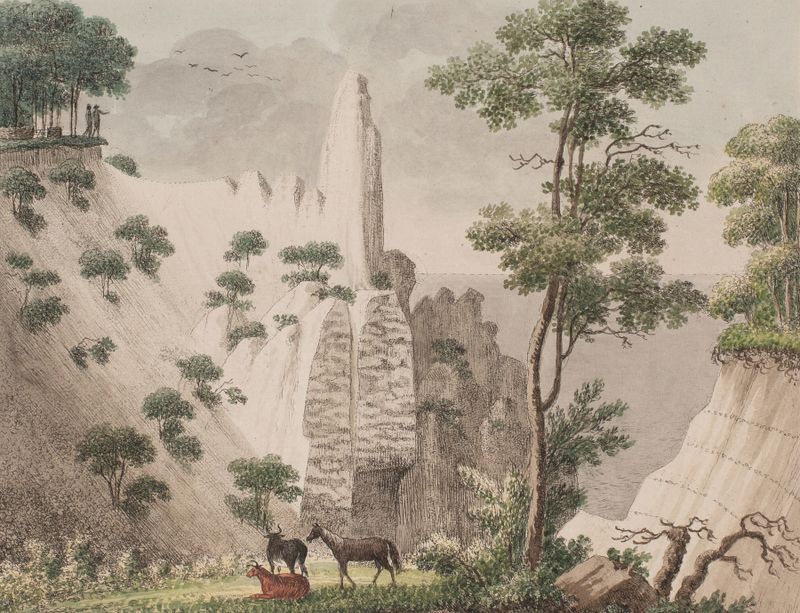
Udsigt af Sommerspiret i kridtbjergene på Møn
Søren L. Lange
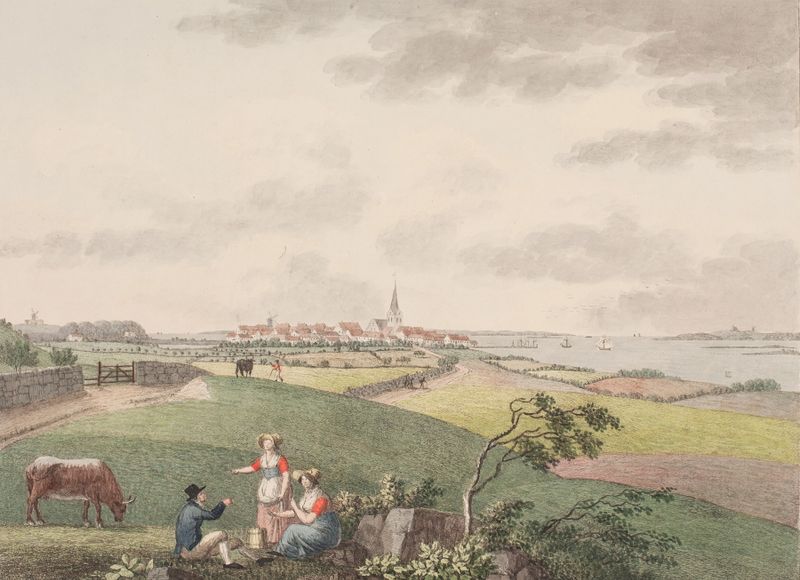
Rudkøbing på Langeland
Søren L. Lange
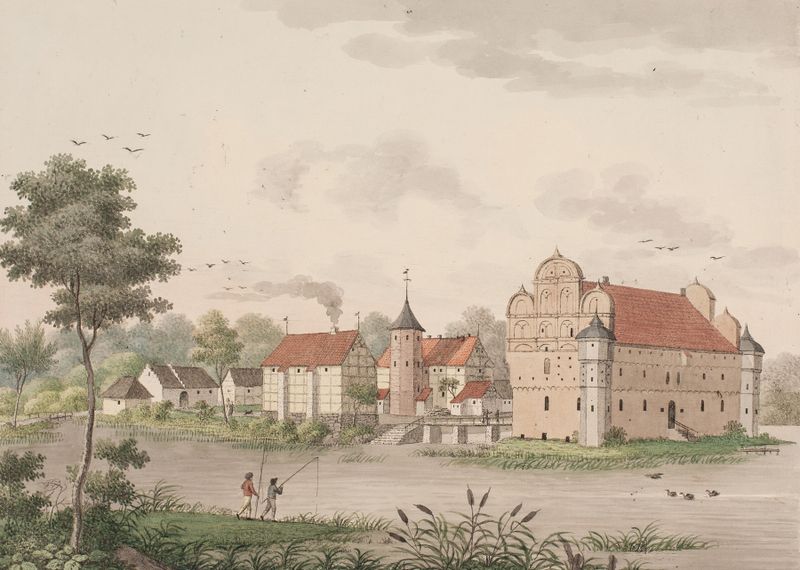
Hesselagergaard på Fyn
Søren L. Lange
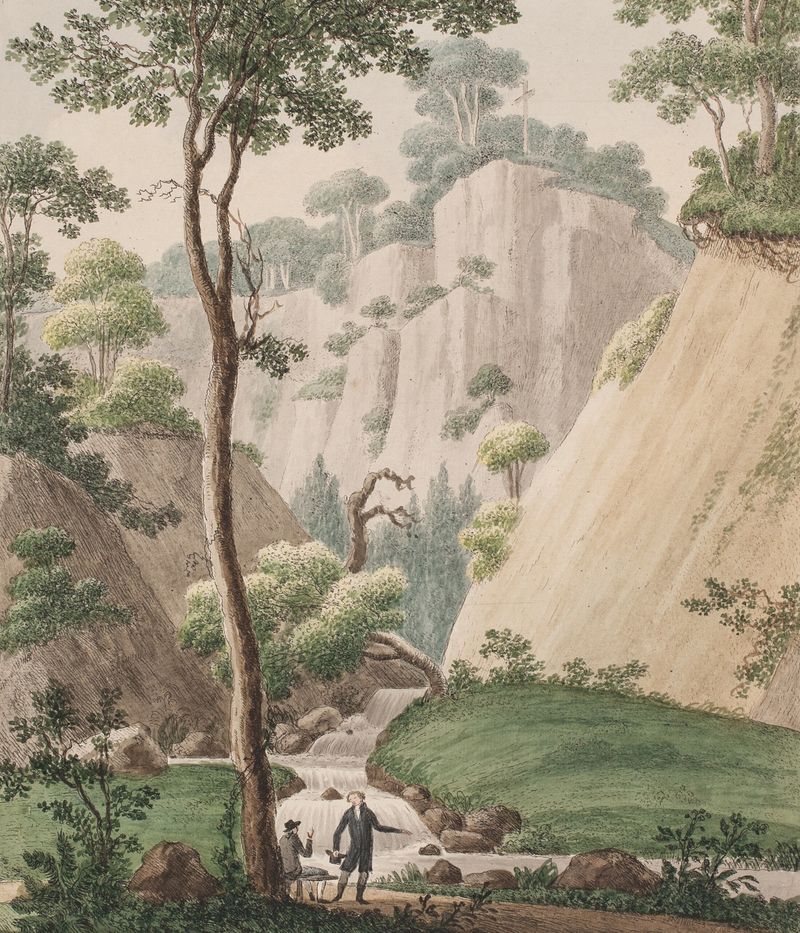
En udsigt ved Liselund på Møen
Søren L. Lange





