Discover insights about this artwork
Etude d’enfants et jeune femme — History & Facts
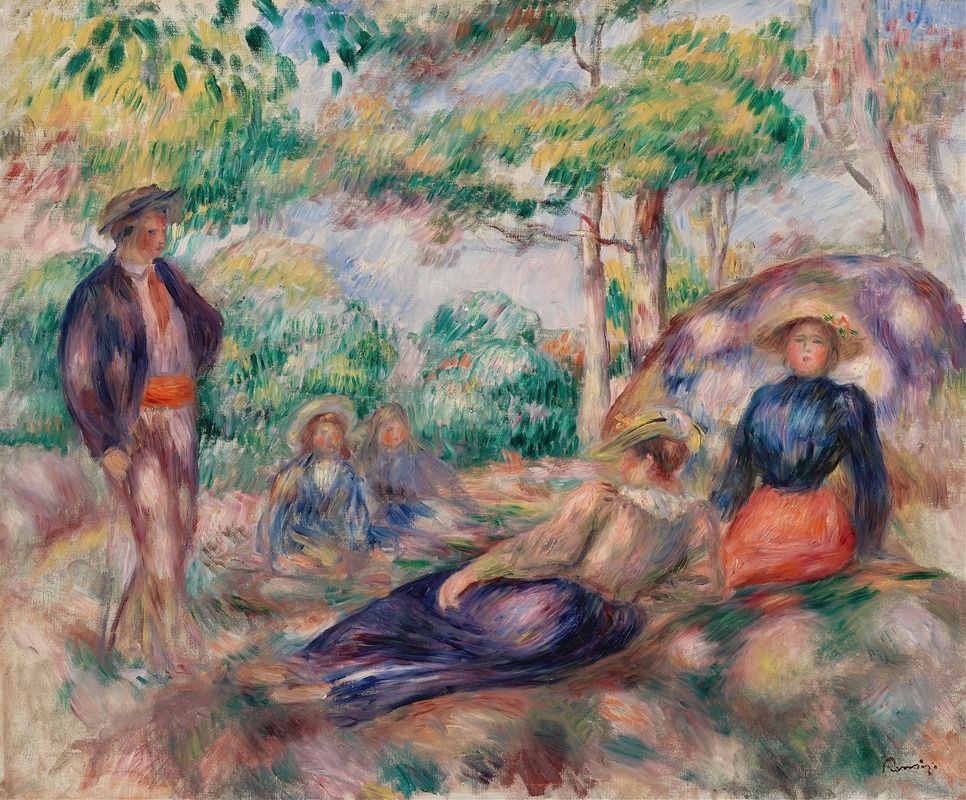
In Etude d’enfants et jeune femme, Pierre-Auguste Renoir presents a lively scene filled with soft, warm colors. The painting features two children playing, accompanied by a young woman, likely their caretaker. The figures are depicted with a sense of joy and innocence, surrounded by a lush, green landscape.
The light filtering through the trees adds a gentle glow to the scene, enhancing the overall warmth and charm. The painting is an example of Impressionism, characterized by its loose brushwork and focus on light. Renoir's technique captures the fleeting moment of childhood play, with a vibrant palette that includes greens, yellows, and soft blues. The figures are rendered with a sense of movement, suggesting the spontaneity of the moment.
Viewers can appreciate the way Renoir blends the figures with the natural surroundings, creating a harmonious composition. Pierre-Auguste Renoir was a leading figure in the Impressionist movement, known for his ability to capture light and color. This work, created in the 1880s, reflects his interest in the joys of everyday life, particularly the innocence of children. An interesting fact about this painting is that it showcases Renoir's shift towards more intimate and personal subjects during this period.
This focus on family and childhood would become a recurring theme in his later works.
More Artworks by Pierre-Auguste Renoir
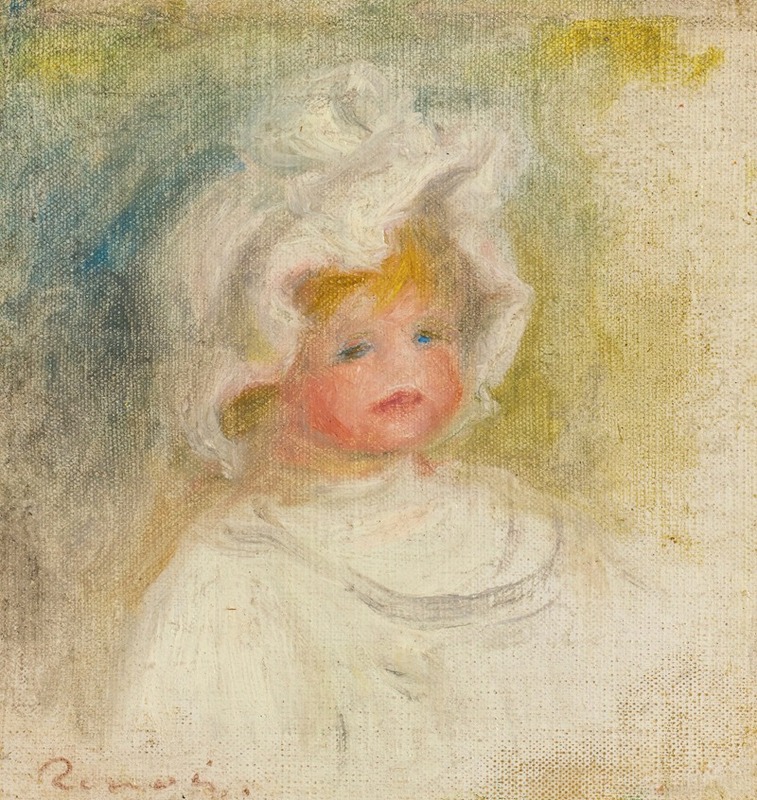
Portrait De Coco Renoir
Pierre-Auguste Renoir
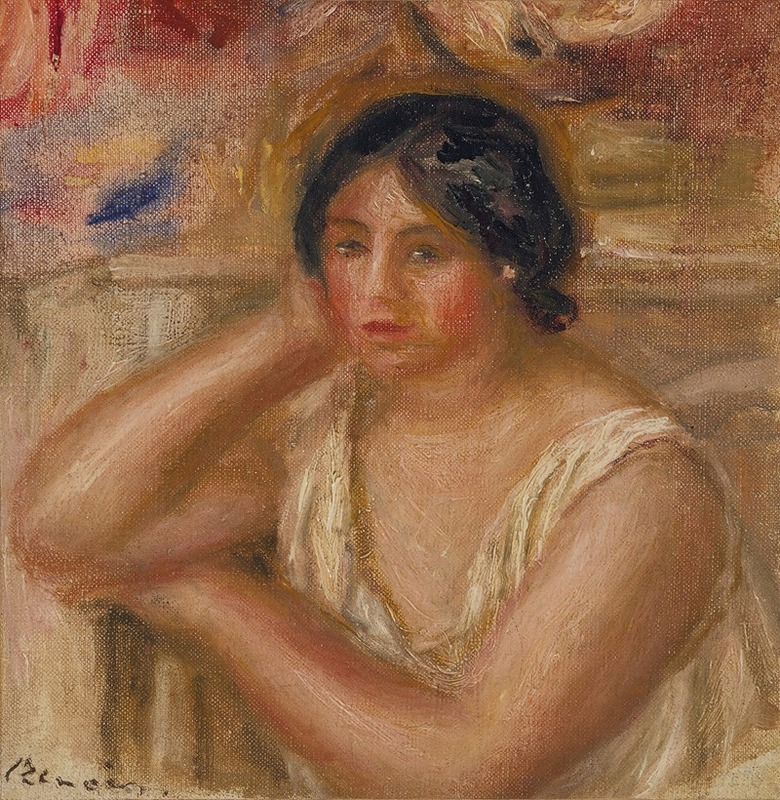
Portrait De Gabrielle
Pierre-Auguste Renoir
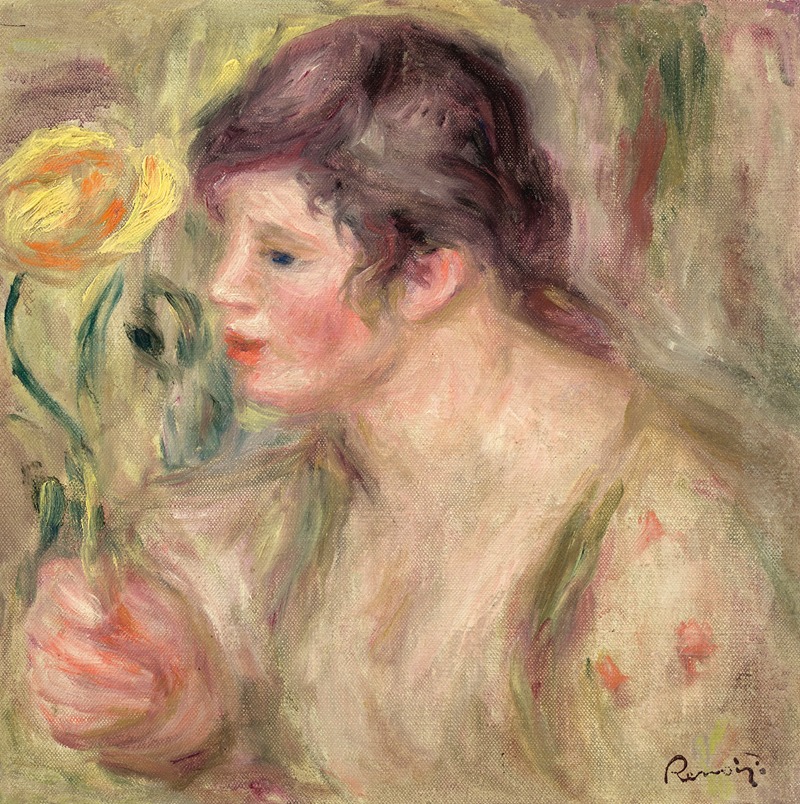
Femme à la rose
Pierre-Auguste Renoir
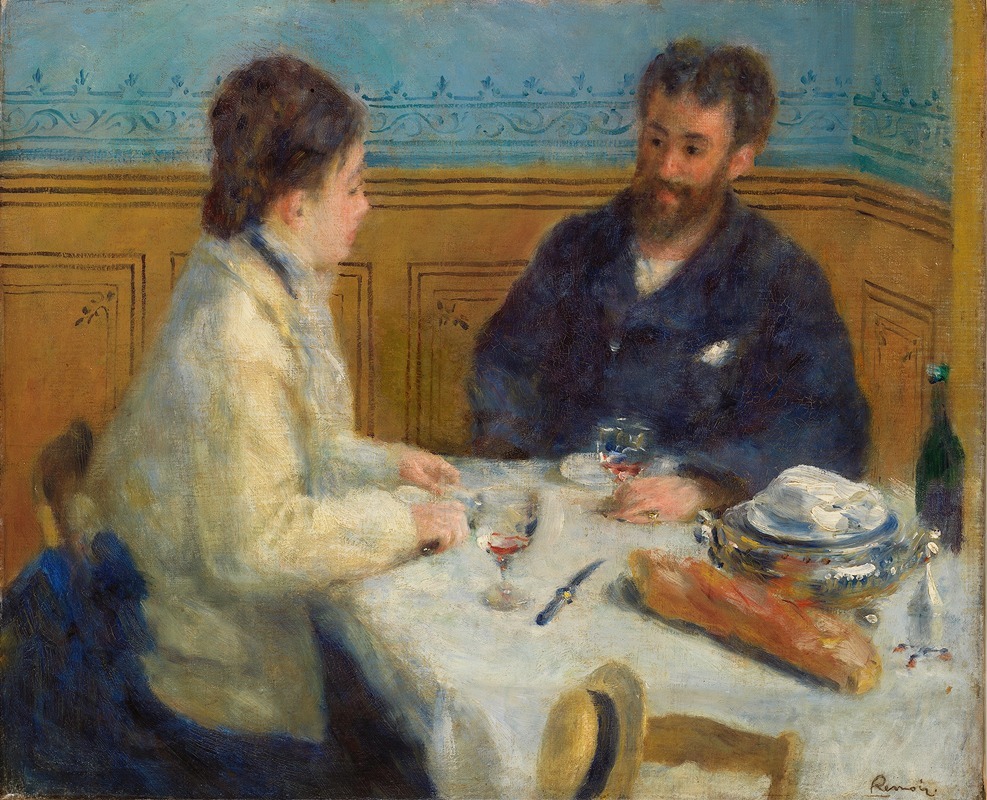
Luncheon (Le Déjeuner)
Pierre-Auguste Renoir
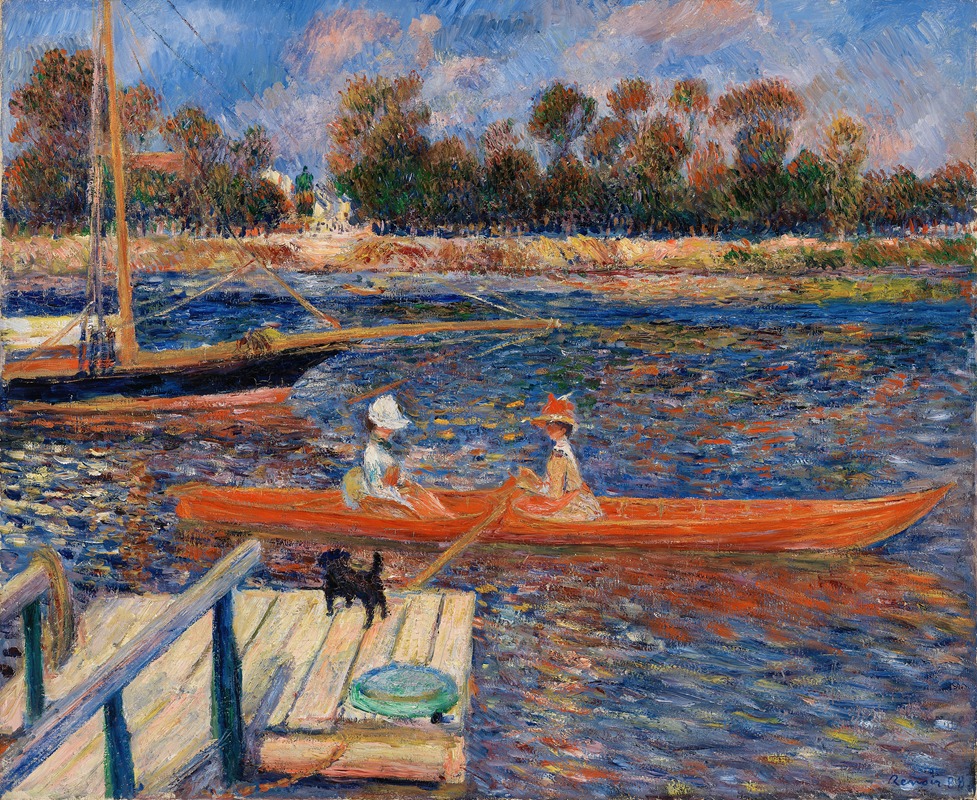
The Seine at Argenteuil (La Seine à Argenteuil)
Pierre-Auguste Renoir
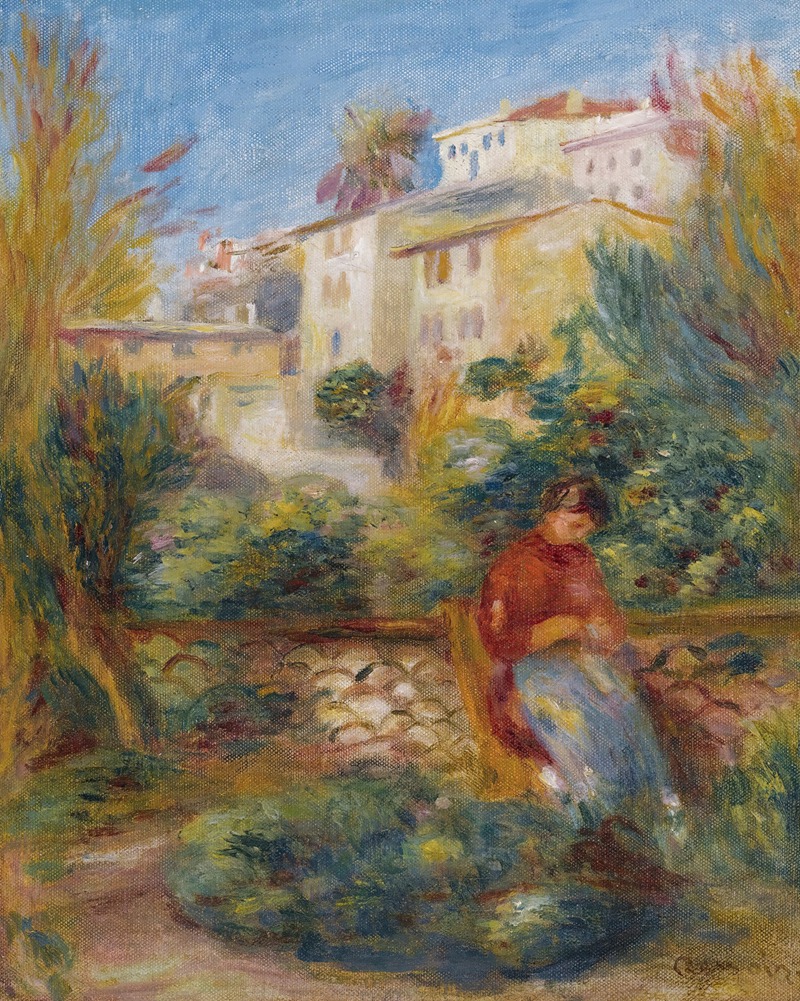
La Terrasse À Cagnes
Pierre-Auguste Renoir
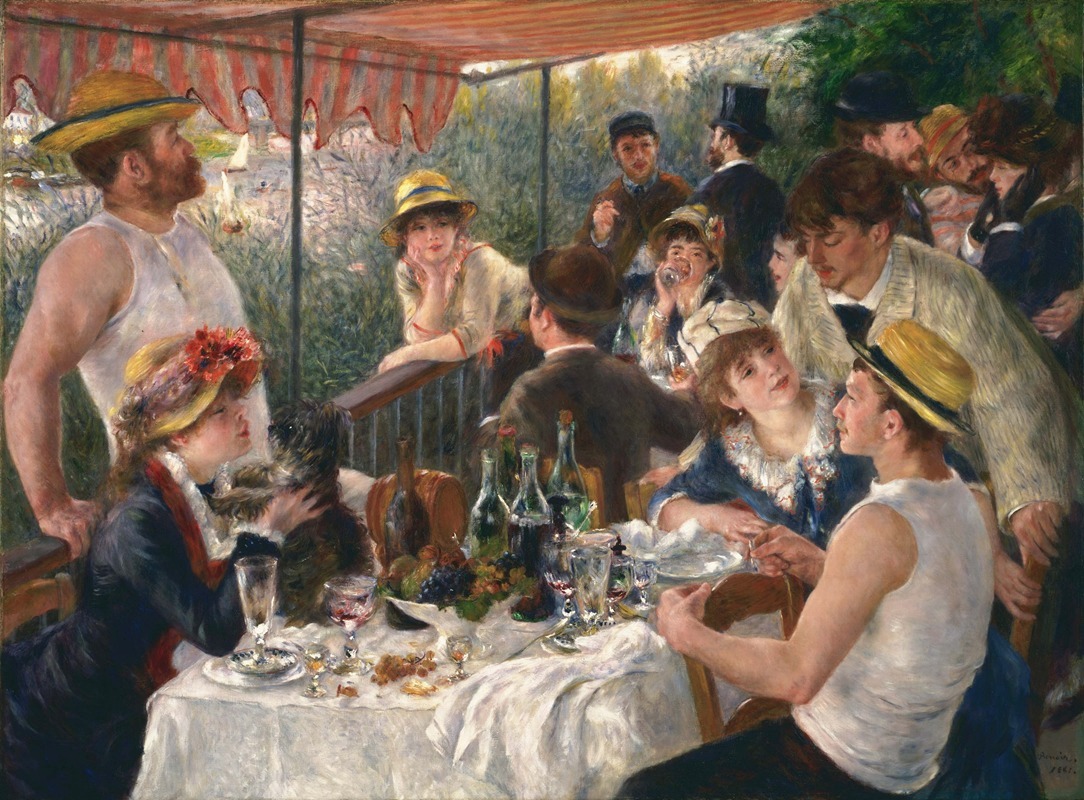
Luncheon of the Boating Party
Pierre-Auguste Renoir
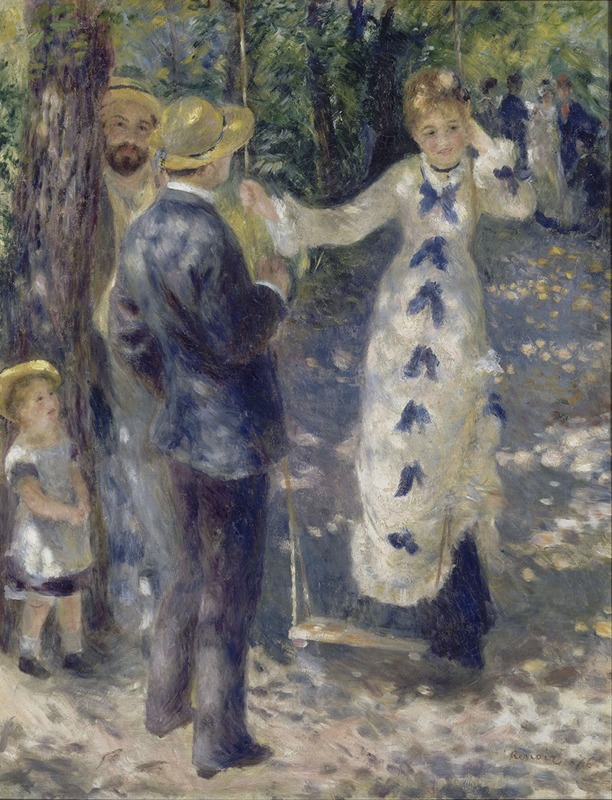
The Swing
Pierre-Auguste Renoir
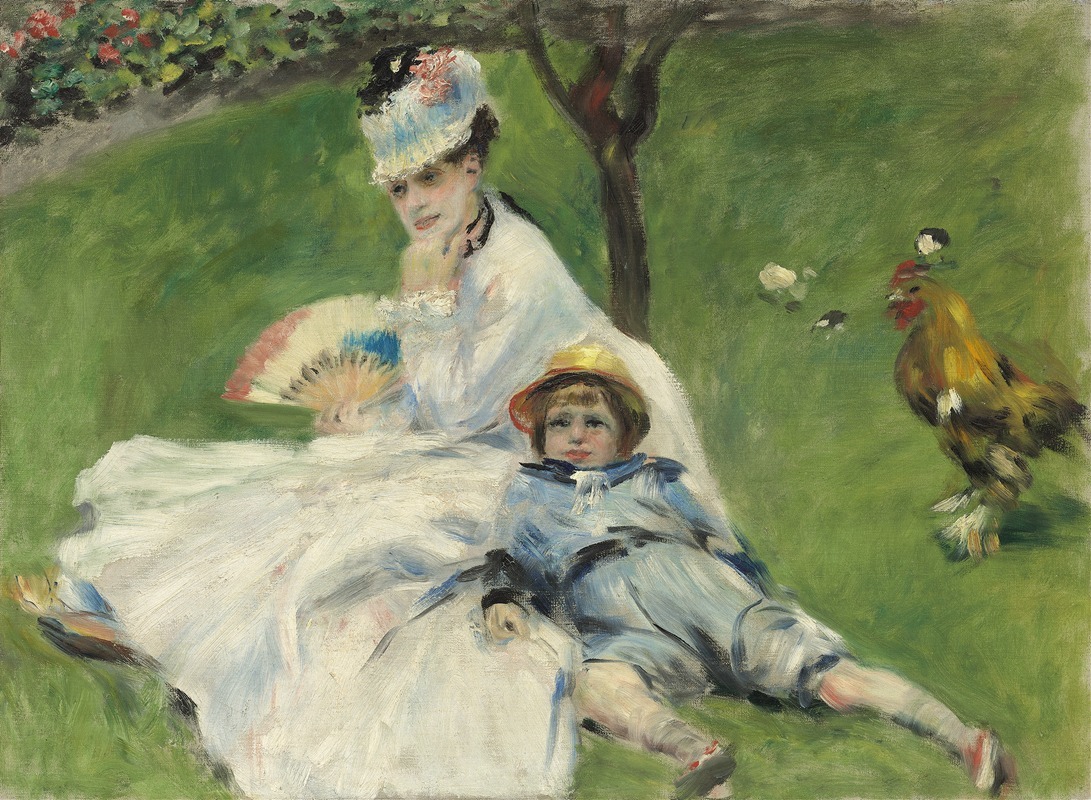
Madame Monet and Her Son
Pierre-Auguste Renoir
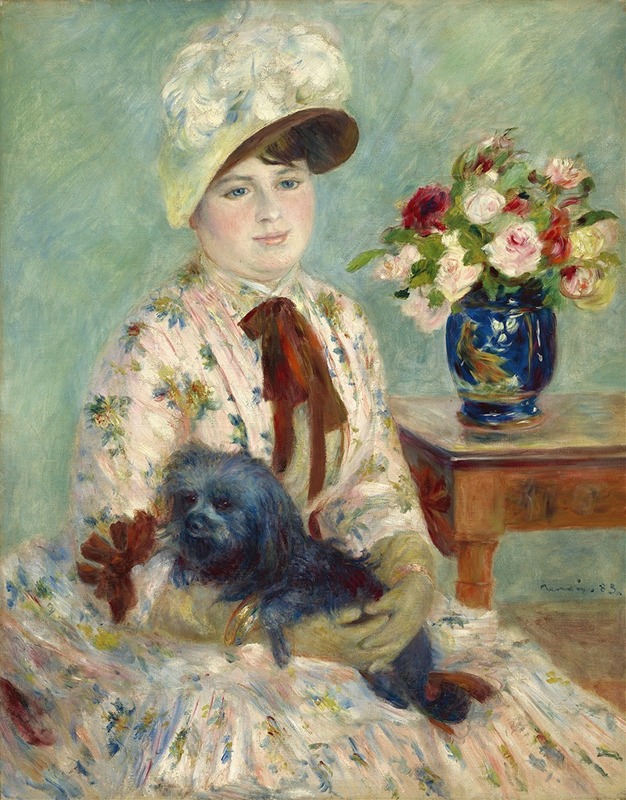
Mlle Charlotte Berthier
Pierre-Auguste Renoir