Evening — History & Facts
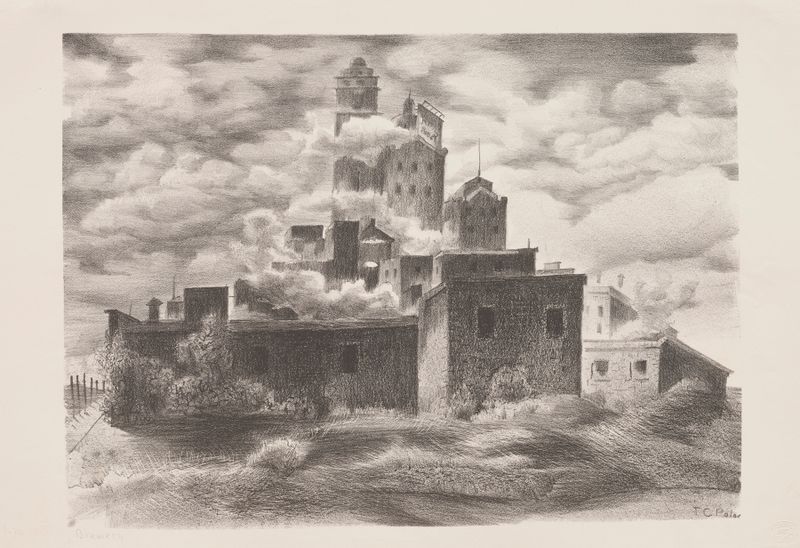
The haunting dance between madness and tranquility is woven seamlessly into the fabric of existence, inviting us to look deeper. Focus on the swirling hues of deep indigo and burnt orange that blend into one another, creating a mesmerizing backdrop. The juxtaposition of light and shadow on the canvas evokes an almost dreamlike quality, leading the eye to the tranquil horizon. Notice how delicate strokes mimic the fluttering of dusk, capturing the fleeting moments of day’s end while hinting at an undercurrent of unrest. Amidst the serene colors, small details reveal emotional tensions—the chaotic brushwork in the foreground suggests an unseen turmoil, contrasting starkly against the calm sky.
The gold accents, glimmering like fleeting thoughts, symbolize the madness lurking just beneath the surface of beauty, reminding viewers of life’s complexity. Each element is a whisper of the fragility of sanity, woven intricately into a tapestry of dusk’s embrace. Theodore Polos painted this piece in 1938 during a tumultuous period in art, navigating the avant-garde movements that sought to capture the essence of modern life. Living in a world on the brink of upheaval, he explored themes that reflected both beauty and chaos, mirroring the anxiety and uncertainty around him.
This work embodies his desire to confront the human condition, revealing the beauty and madness intertwined in our existence.