
Evening Landscape — History & Facts
The delicate interplay between innocence and melancholy permeates the heart of this work, drawing the viewer into a quiet reflection on the complexities of beauty. Look to the left at the soft, calming hues of the horizon, where the sun sinks beneath the landscape, casting a golden glow over the canvas. The deft brushwork creates a sense of movement in the grass, swaying gently in an unseen breeze. Notice how the vibrant colors contrast against the shadowy outlines of distant hills, each stroke conveying both peace and an underlying tension that invites contemplation. The juxtaposition of light and shadow reveals the duality of existence—the vibrancy of life alongside the inevitable passage of time.
The golden light may evoke a sense of hope or nostalgia, yet it also hints at transience, suggesting that moments of innocence are fleeting. Small details, like the way the light dapples through the trees, serve as a reminder of the beauty that often accompanies vulnerability, urging viewers to cherish these delicate moments. Thorvald Erichsen painted this piece in 1921, during a time when Europe was still healing from the scars of World War I. Living in Denmark, he sought to capture the essence of a world emerging from darkness, using his art as a means to explore themes of loss and recovery.
This work reflects his commitment to portraying the emotional truths of human experience, positioning him as a significant figure in the post-war art movement.
More Artworks by Thorvald Erichsen
Browse all →
Wooded Landscape
Thorvald Erichsen
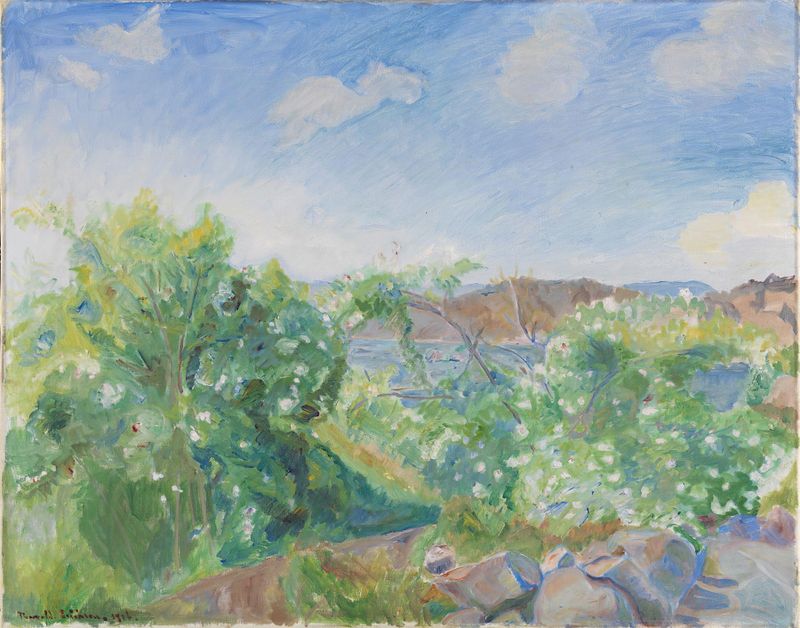
Flowering Dog Roses
Thorvald Erichsen

From Lillehammer, Balbergkampen
Thorvald Erichsen

From Kviteseid in Telemark
Thorvald Erichsen
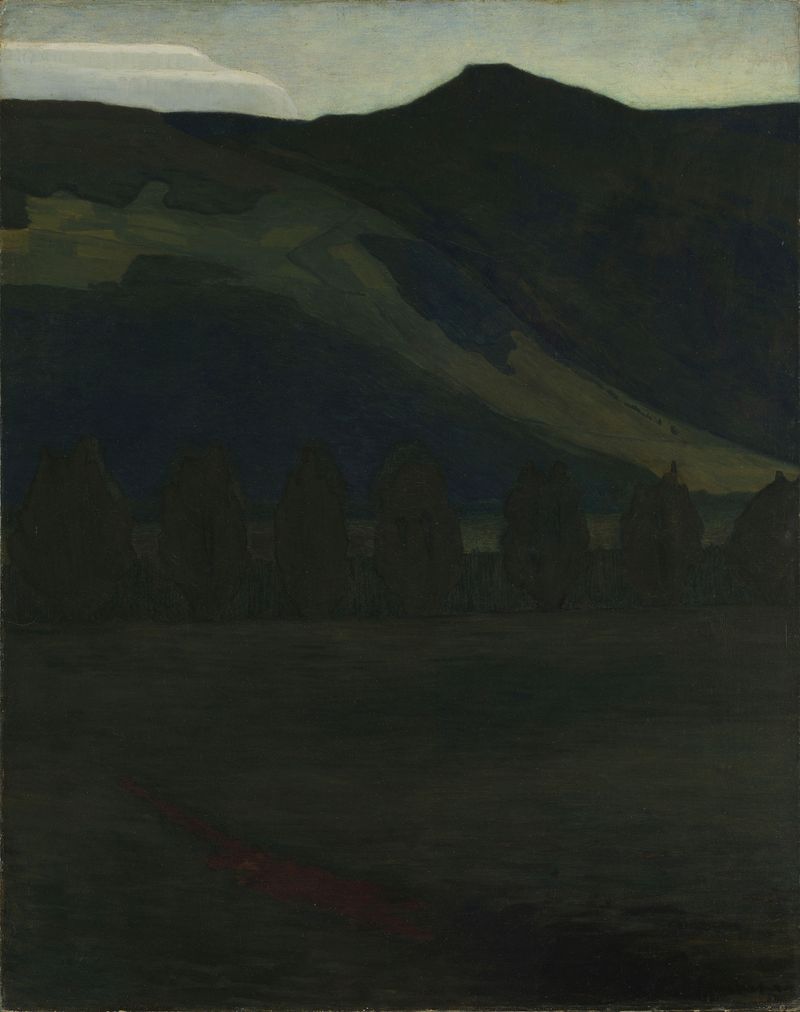
From Klones in Vågå, Gudbrandsdalen
Thorvald Erichsen

The Beach at Terracina
Thorvald Erichsen

From Porsgrunn
Thorvald Erichsen
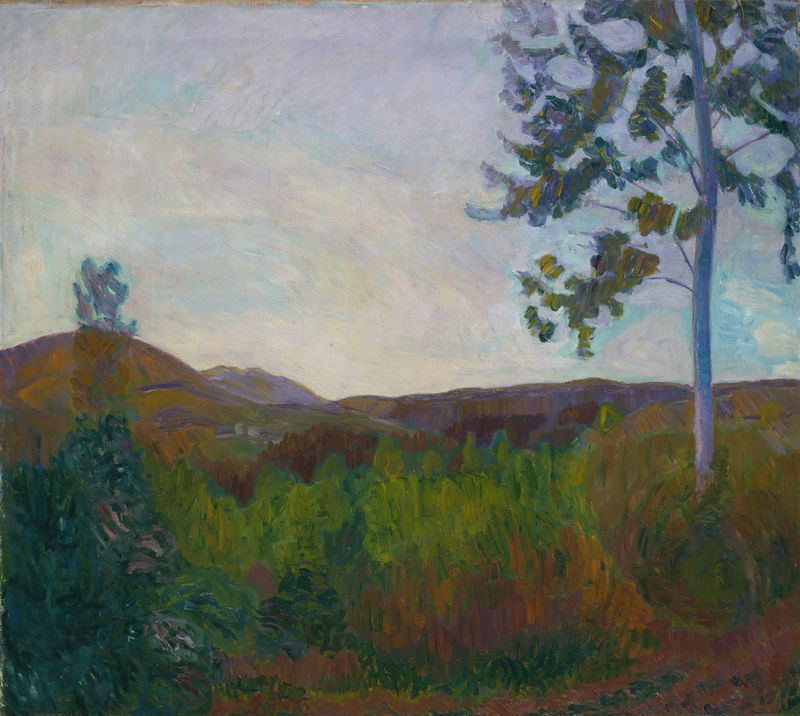
From Gausdal
Thorvald Erichsen

From Holmsbu
Thorvald Erichsen

From Holmsbu
Thorvald Erichsen





