Ewer — History & Facts
Can beauty exist without sorrow? The delicate crafting of this ewer elicits a dreamlike quality, where each curve and embellishment whispers stories of longing and grace. Look closely at the intricate handle, where the artist's hand seems to linger in every twisted vine and leaf. The soft play of light across the surface reveals a masterful glaze, evoking a shimmering depth that contrasts with the elegant restraint of its form. The muted palette invites contemplation, yet it is the fine details—the delicate etchings and subtle asymmetries—that draw you deeper into its essence. Consider the juxtaposition of strength and fragility; the ewer stands proud yet serves a purpose steeped in vulnerability.
It is a vessel, a keeper of dreams, hiding within it the untold tales of what it holds. The smooth surface hints at the passage of time, where beauty and impermanence dance together, challenging our perception of permanence in art. This piece, crafted between 1600 and 1615, emerged during a period of rich artistic exploration. The unknown creator worked in a world where craftsmanship flourished alongside the burgeoning appreciation for the decorative arts.
In Europe, the era was marked by a fascination with the exotic and the ornate, reflective of a broader cultural exchange. This work encapsulates those shifts, a silent witness to the beauty and complexity of the time.
More Artworks by Unknown Artist
Browse all →
Ridder, Dood en Duivel
Unknown Artist
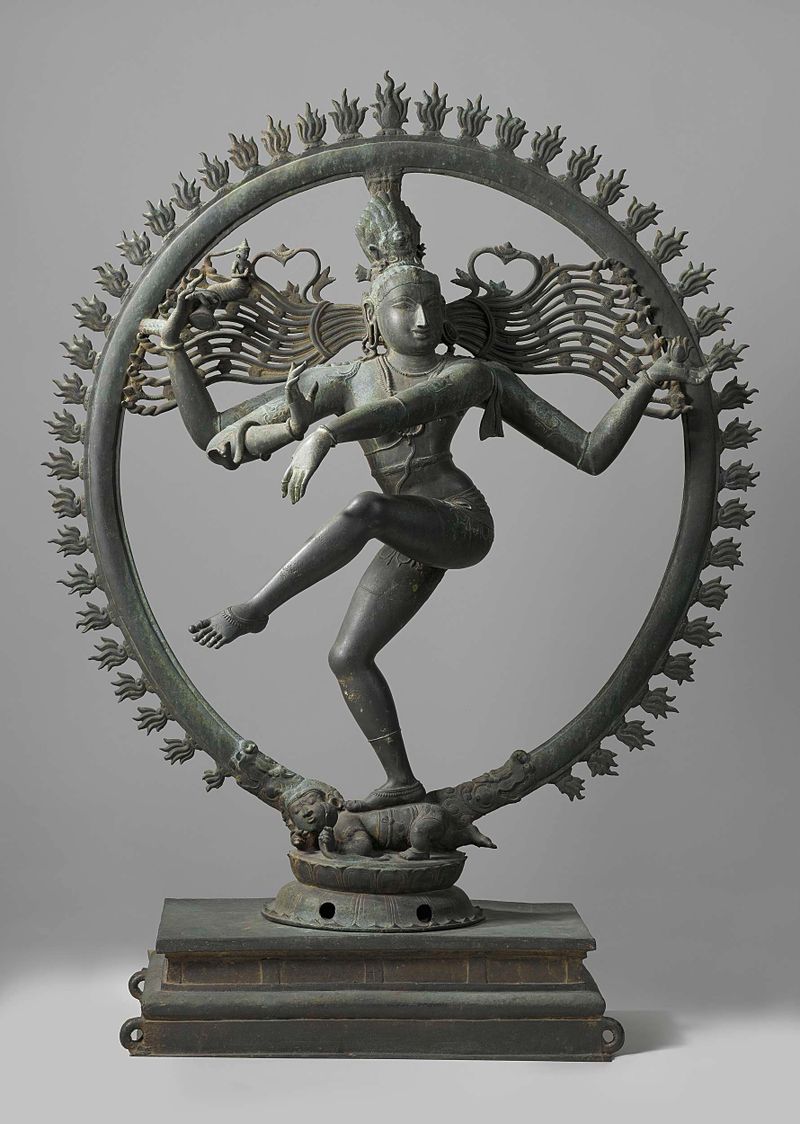
Shiva Nataraja
Unknown Artist
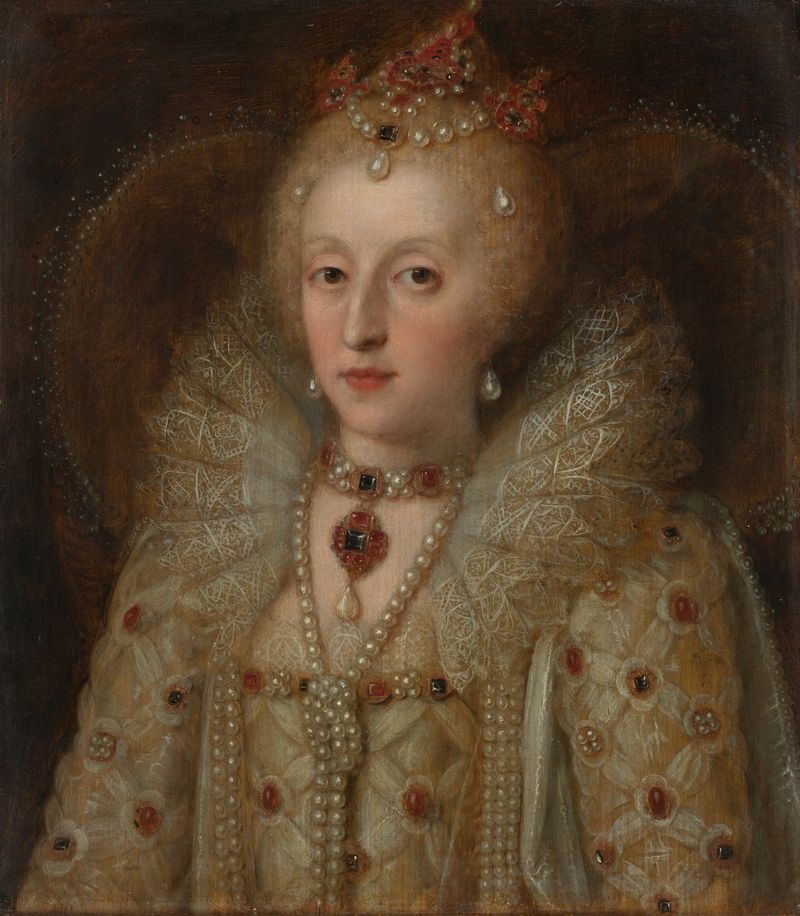
Portrait of Elizabeth I, Queen of England
Unknown Artist
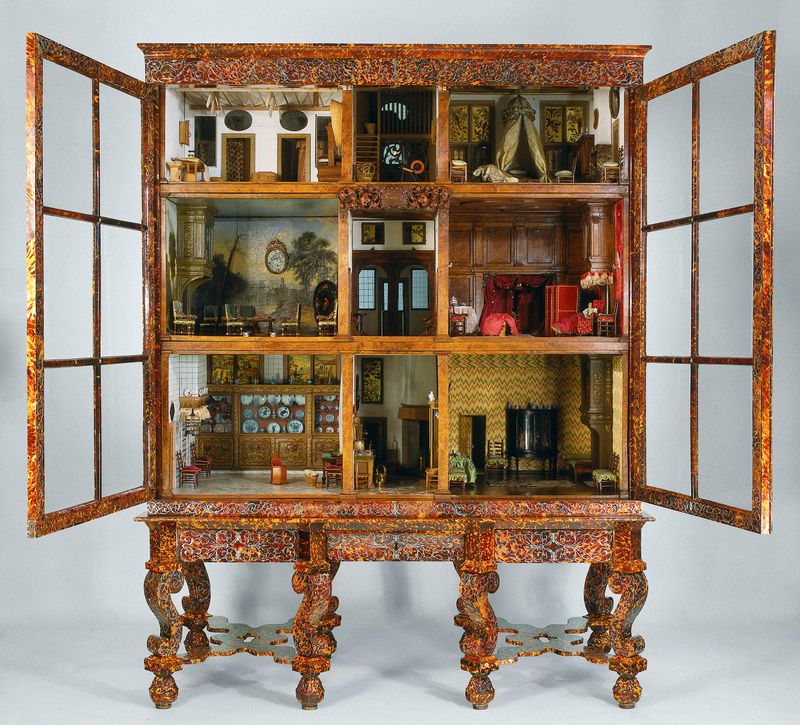
Dolls’ house of Petronella Oortman
Unknown Artist
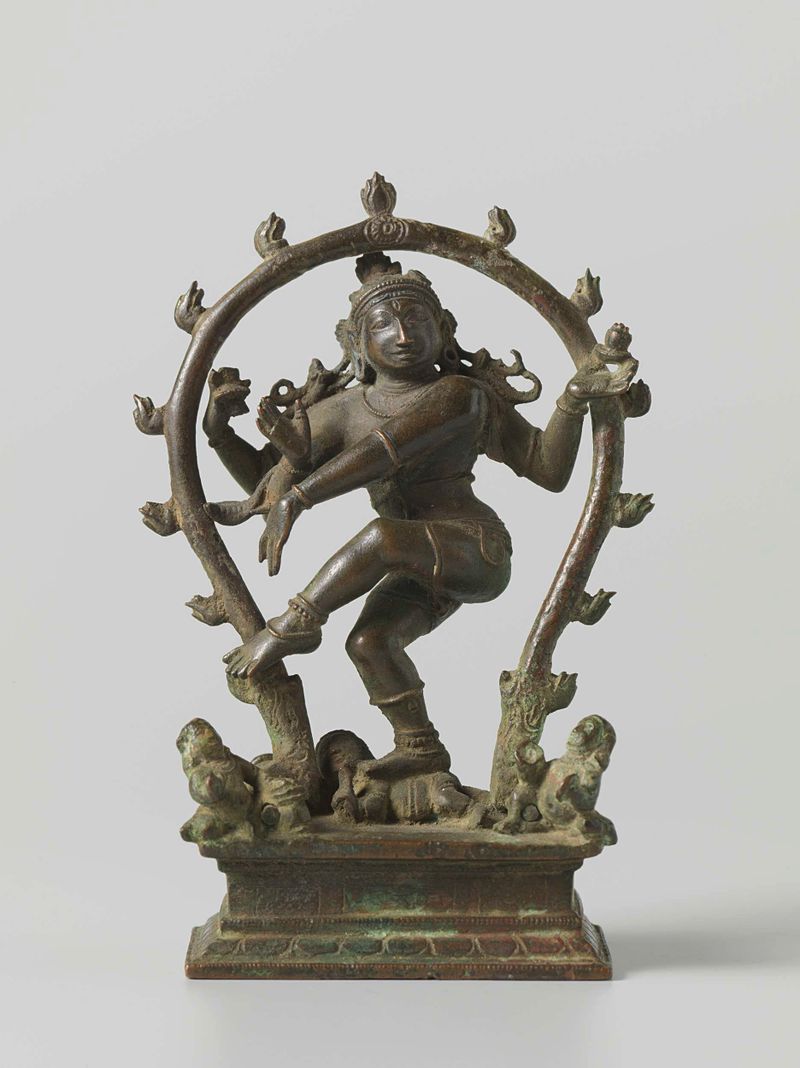
Shiva Nataraja
Unknown Artist

The Tale of Genji
Unknown Artist

The Tale of Genji
Unknown Artist

Cong
Unknown Artist
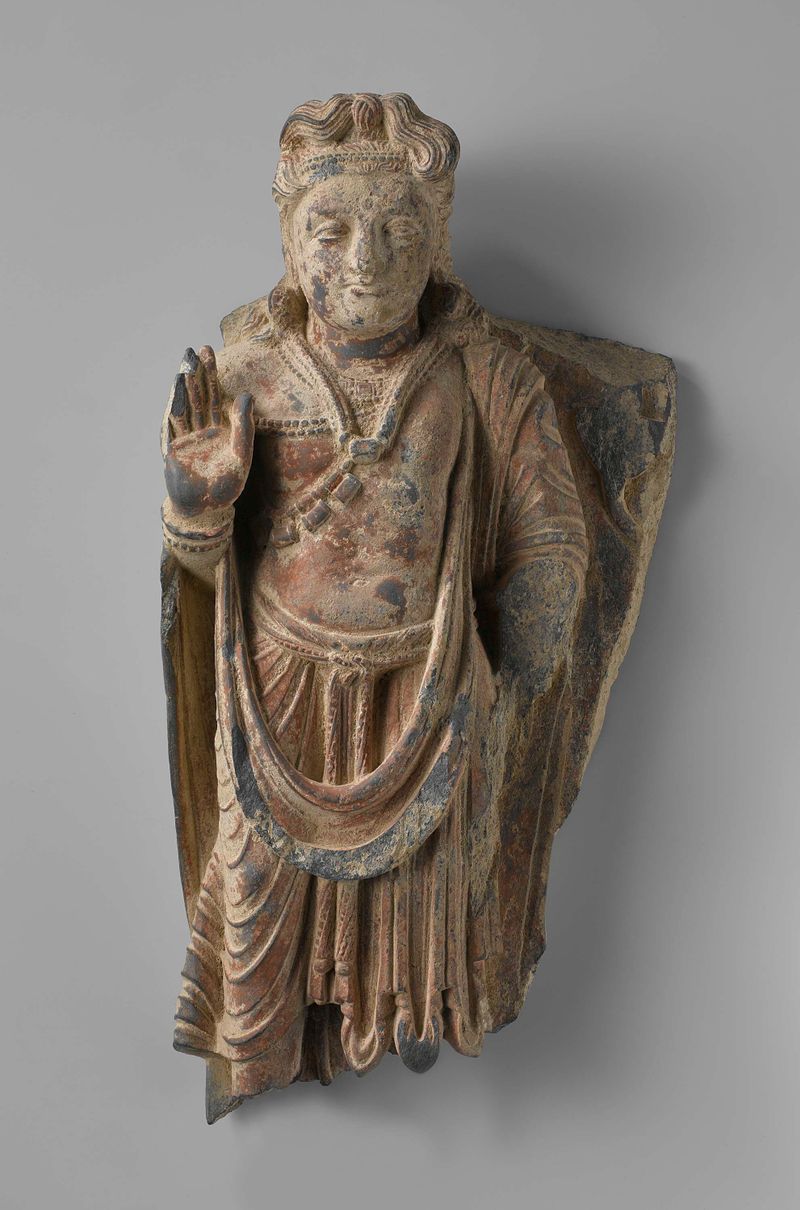
The bodhisattva Maitreya
Unknown Artist

Teabowl with a 'hare's fur' glaze
Unknown Artist