Ewer with flower sprays and spout shaped like a feng huang — History & Facts
Is this a mirror — or a memory? The intricate curves of a bygone era whisper tales of elegance, beckoning the viewer to step into a dream where beauty reigns eternal. Look closely at the ewer's delicate spout, a majestic feng huang poised as if it might take flight. The craftsmanship draws the eye first to the ornate sprays of flowers, each petal a testament to the artist's meticulous attention to detail. Notice how the colors dance in subtle gradients, capturing the essence of life while the surface glistens under imagined sunlight — a celebration of nature that transcends mere utility. Yet, within this object lies a deeper resonance.
The juxtaposition of the mythical phoenix and the floral representations suggests a harmony between the ephemeral and the eternal — life’s fleeting beauty encased in an enduring form. The intricate motifs serve as a poignant reminder of cultural significance, evoking the fragility of dreams while embodying the lavish aspirations of its time. This ewer was crafted between 1700 and 1724, an era marked by burgeoning cultural exchanges and the flourishing of decorative arts. The unknown artist, likely influenced by the rich traditions of Chinese porcelain, captured not only the aesthetics of their craft but also the collective yearning for beauty and transcendence in a rapidly changing world.
The ewer stands as a testament to an age where art was not merely functional but a vessel for dreams and memories.
More Artworks by Unknown Artist
Browse all →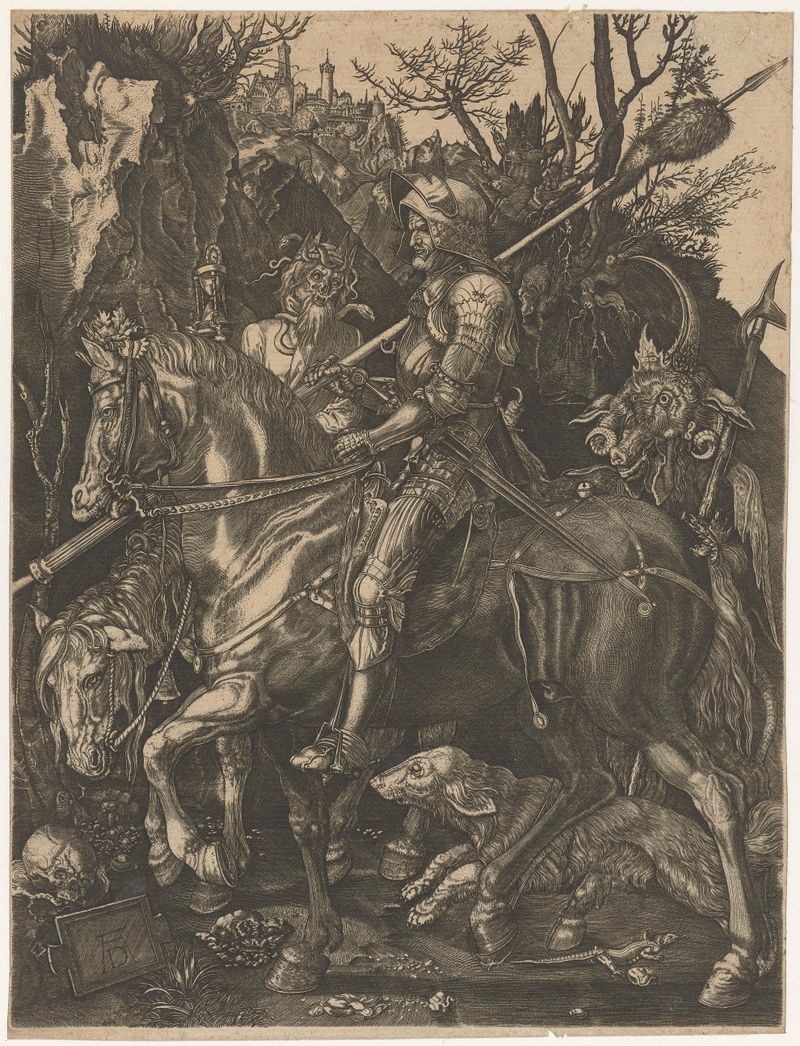
Ridder, Dood en Duivel
Unknown Artist
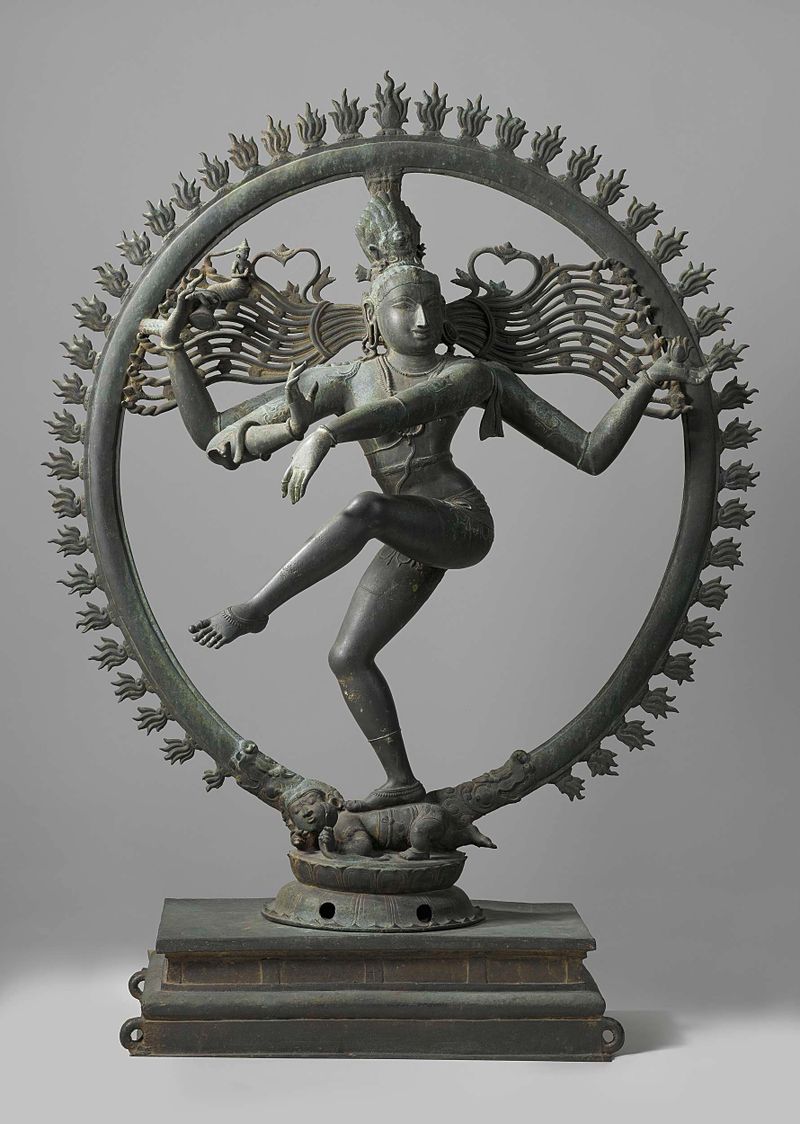
Shiva Nataraja
Unknown Artist
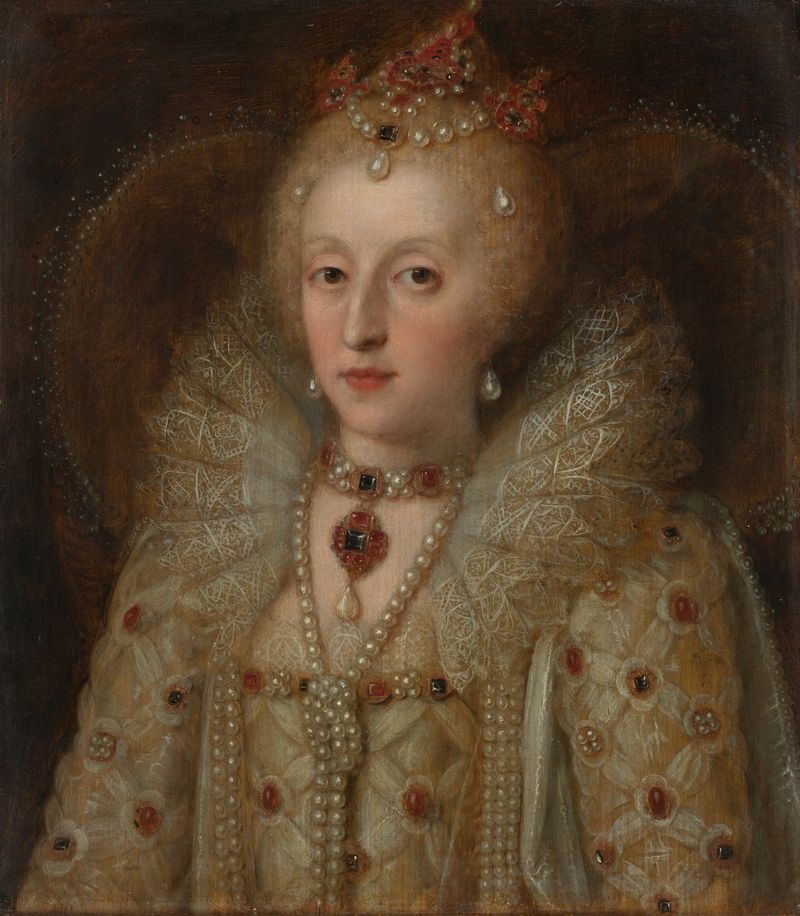
Portrait of Elizabeth I, Queen of England
Unknown Artist
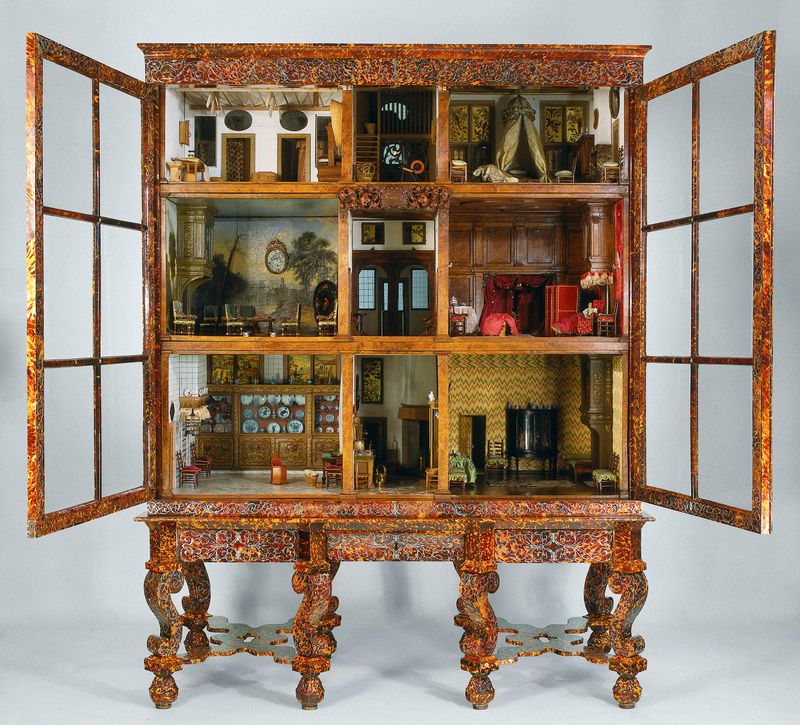
Dolls’ house of Petronella Oortman
Unknown Artist
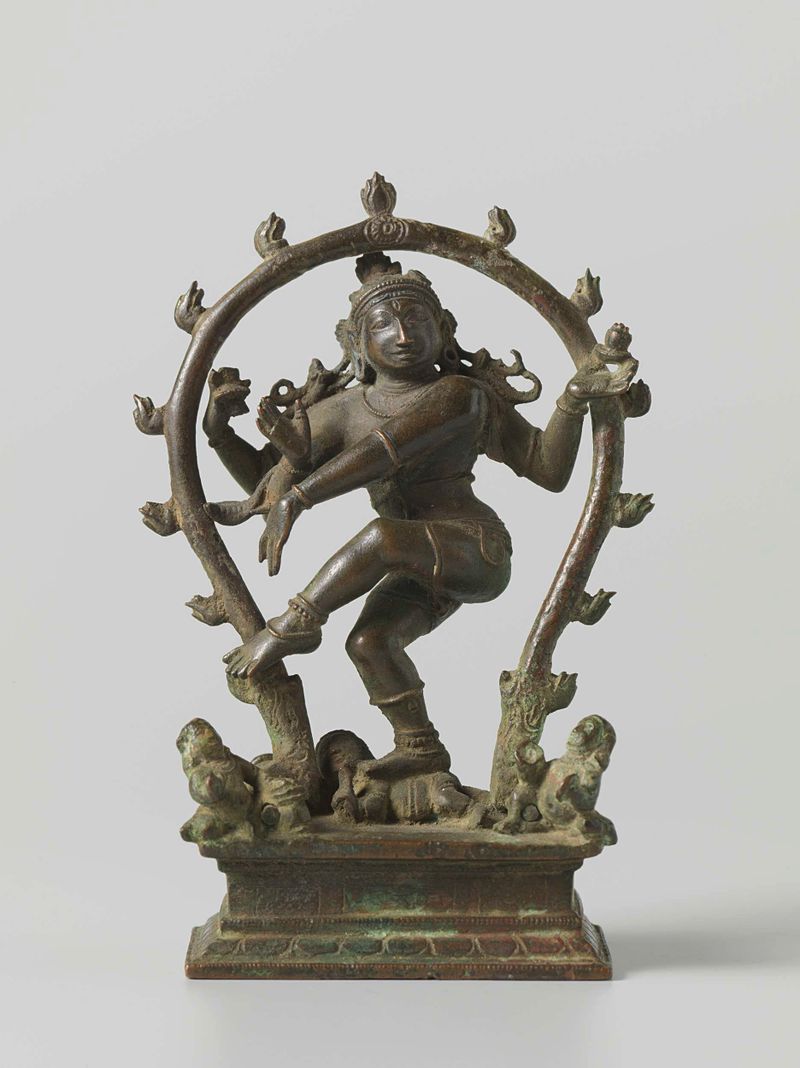
Shiva Nataraja
Unknown Artist

The Tale of Genji
Unknown Artist

The Tale of Genji
Unknown Artist

Cong
Unknown Artist
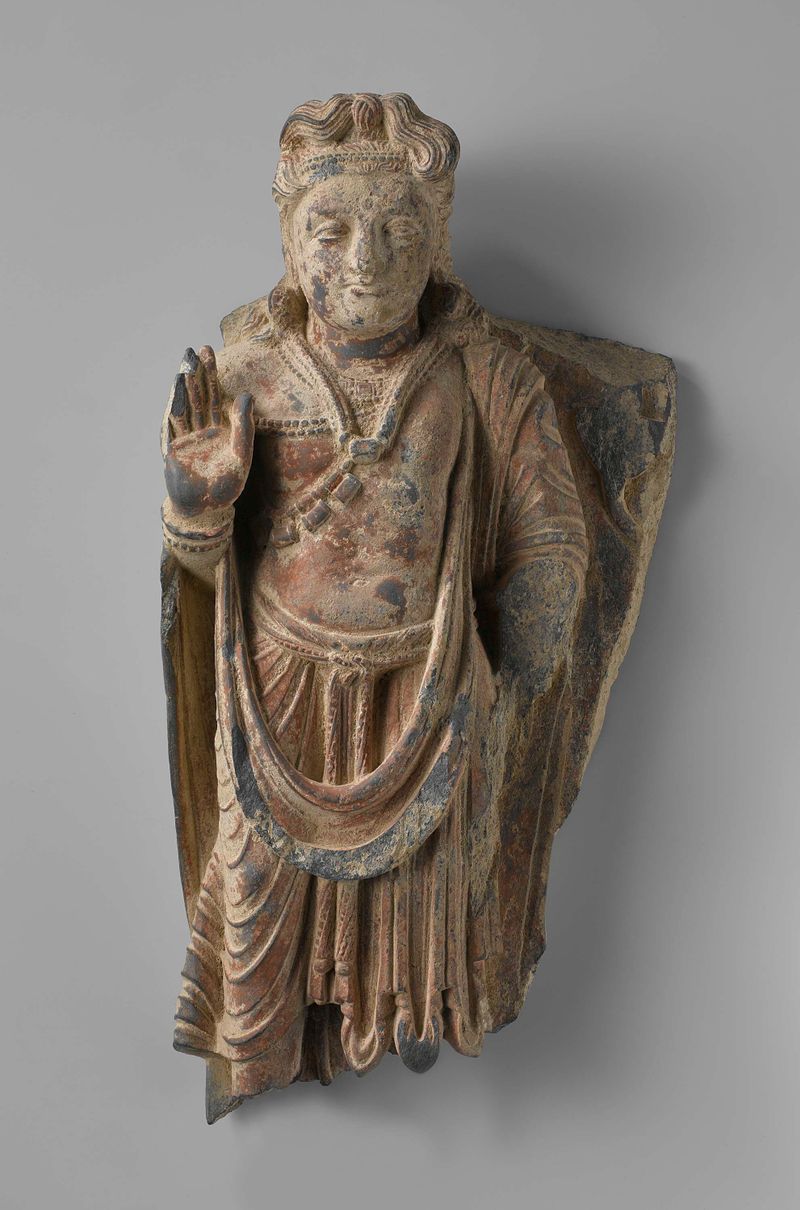
The bodhisattva Maitreya
Unknown Artist

Teabowl with a 'hare's fur' glaze
Unknown Artist