Fabriek voor confectiestoffen die op maat worden gesneden — History & Facts
Is this a mirror — or a memory? In Fabriek voor confectiestoffen die op maat worden gesneden, a disarray of fabric, machinery, and human presence conjures a world caught between chaos and order, echoing the struggles of post-war society. Look to the left at the intricate interplay of vivid colors, where an array of patterned fabrics spills forth, their textures almost palpable against the canvas. The composition is deliberately fragmented, reflecting the disorder of a garment factory where the past and present collide. The sharp contrasts of light and shadow emphasize the materials’ vibrancy, while the angular lines of the machinery suggest an underlying tension, an urgency that keeps the viewer’s gaze moving throughout the piece. Delve deeper into the chaotic arrangement of elements.
Each fabric swatch seems to whisper stories of labor and creativity, while the stark machinery looms above, representing an industrial age grappling with the remnants of war. The juxtaposition of organic forms with rigid structures speaks to a struggle for identity and purpose amid societal upheaval, gesturing towards a future both uncertain and vibrant. During the years between 1945 and 1960, Maarten Oortwijn created Fabriek voor confectiestoffen die op maat worden gesneden while living in a Europe still reeling from the aftermath of World War II. The art scene was evolving, influenced by modernism and the burgeoning post-war recovery.
This period saw artists exploring the intersection of industry and humanity, a theme that Oortwijn captured through his distinct lens, reflecting the complexities of survival and reinvention.
More Artworks by Maarten Oortwijn
Browse all →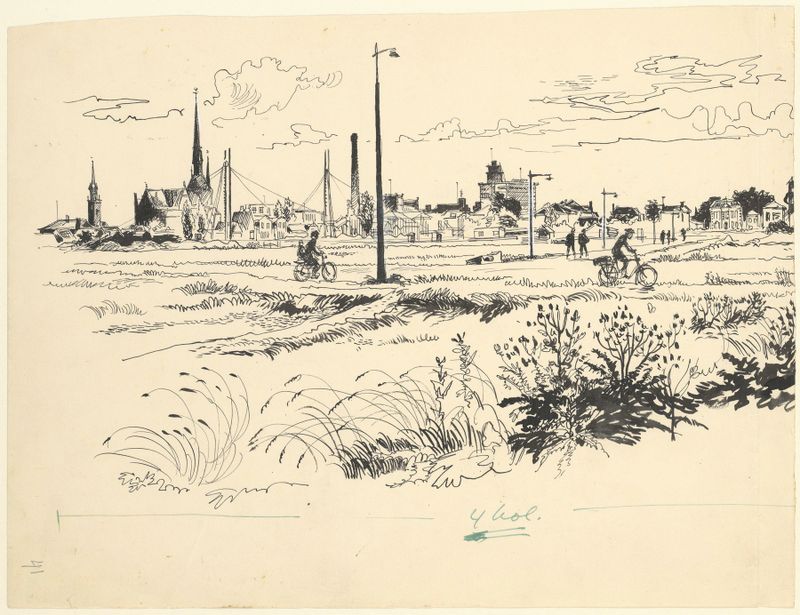
Gezicht op Koog aan de Zaan.
Maarten Oortwijn
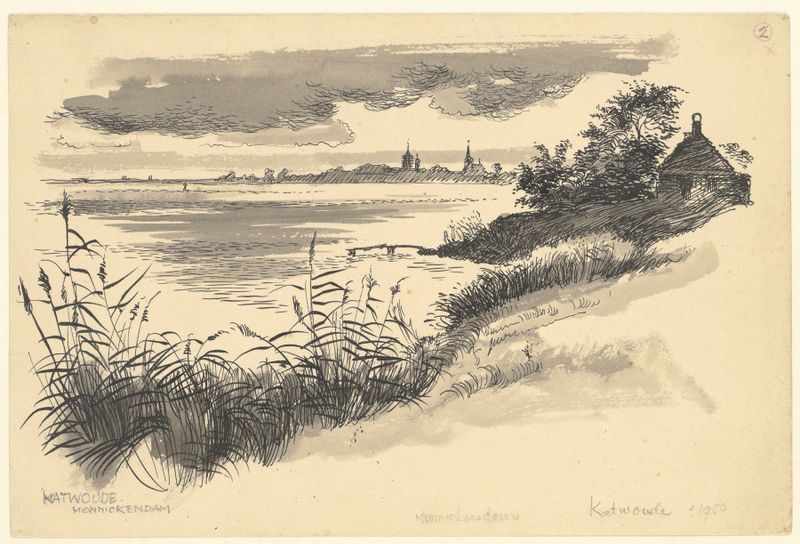
Gezicht vanuit Katwoude op Monnickendam
Maarten Oortwijn
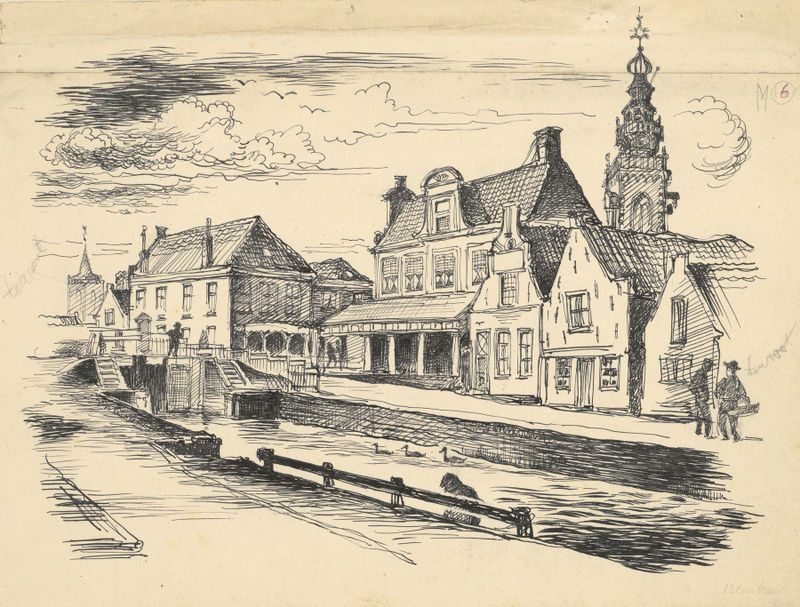
Gezicht vanaf de Gooische Kaai op de Waag
Maarten Oortwijn
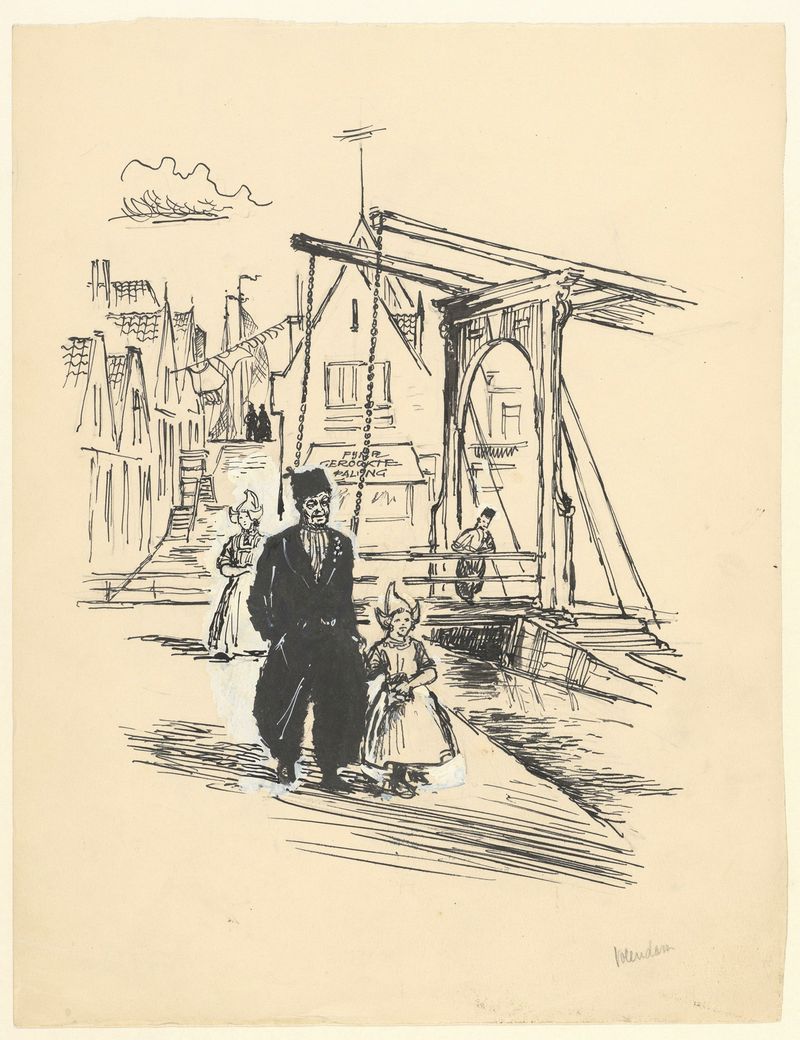
Gezicht te Volendam.
Maarten Oortwijn
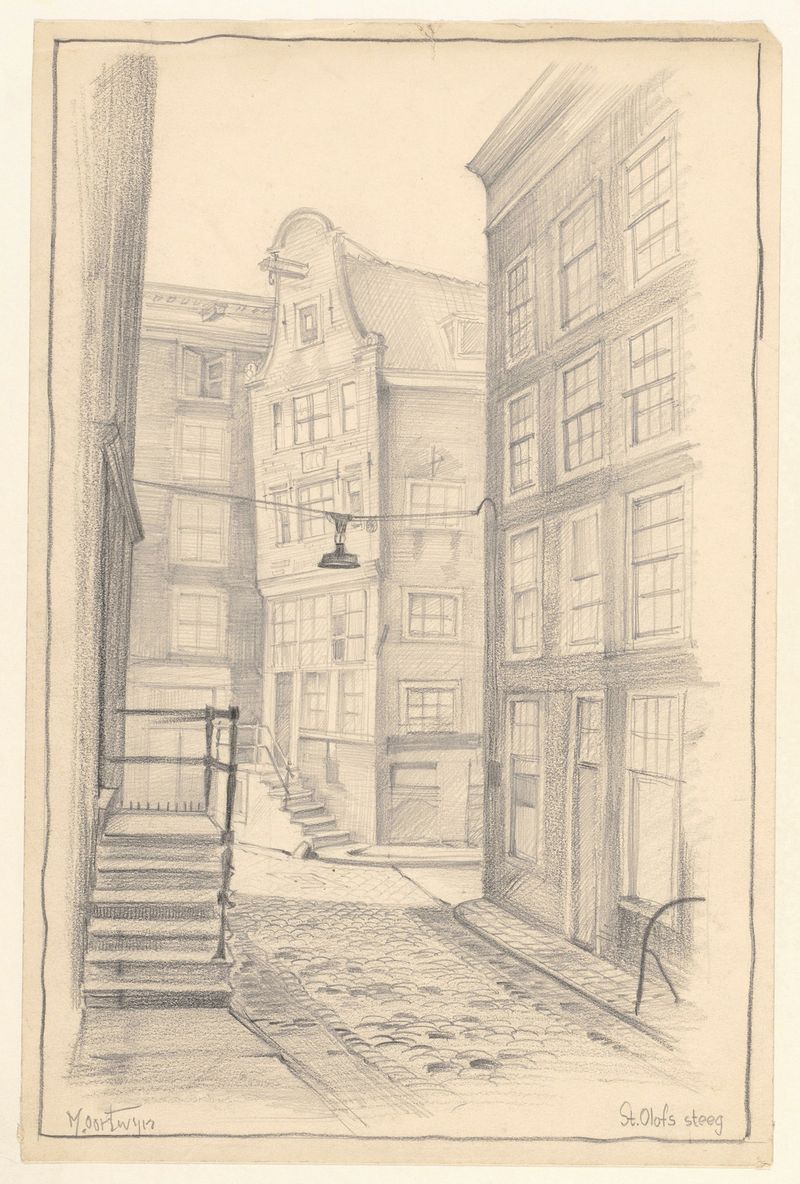
Gezicht in de St. Olofssteeg.
Maarten Oortwijn
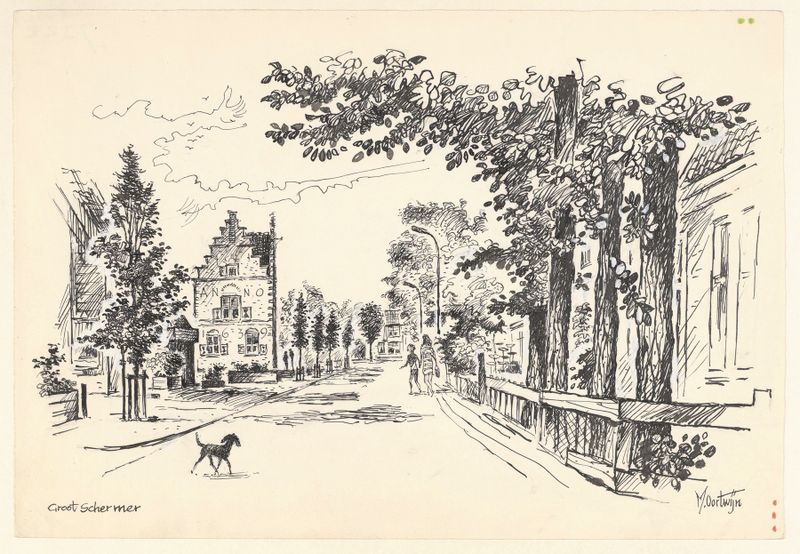
Gezicht te Grootschermer met het Raadhuis
Maarten Oortwijn
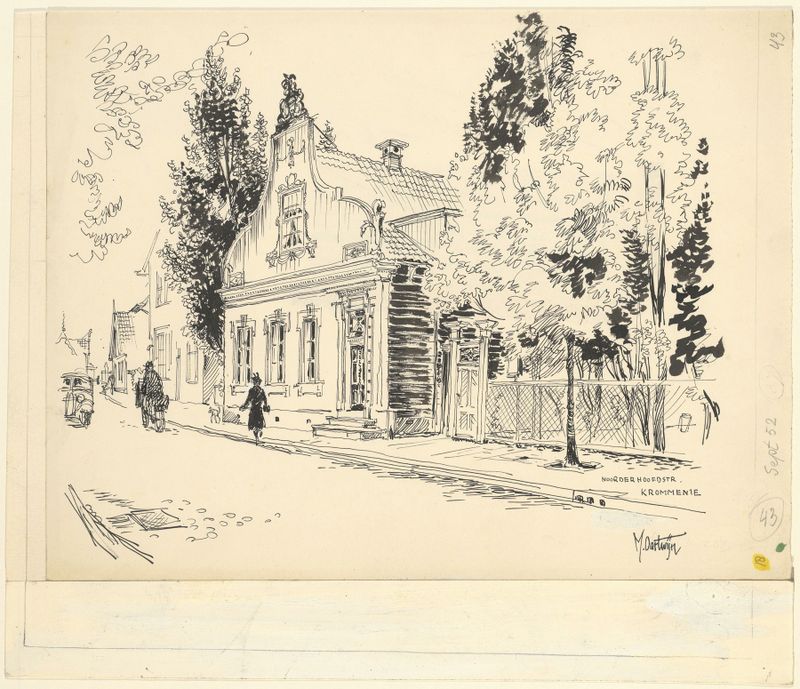
Gezicht in de Noorder
Maarten Oortwijn
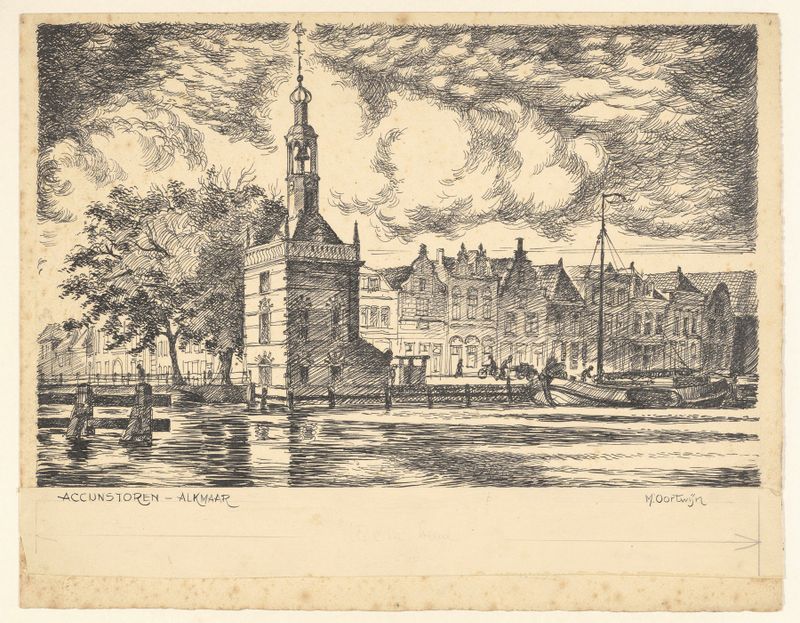
Gezicht op de Accijnstoren aan de Bierkade.
Maarten Oortwijn
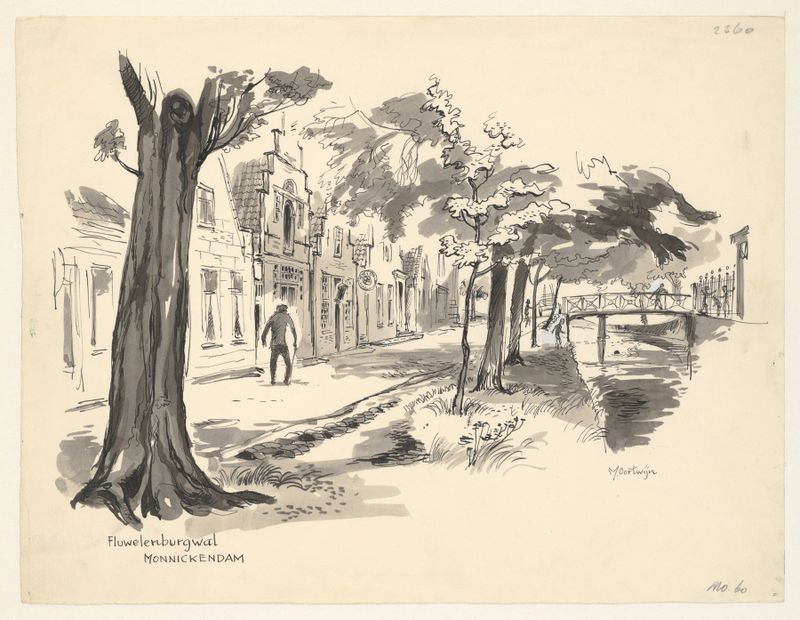
Fluwelenburgwal, Monnickendam
Maarten Oortwijn
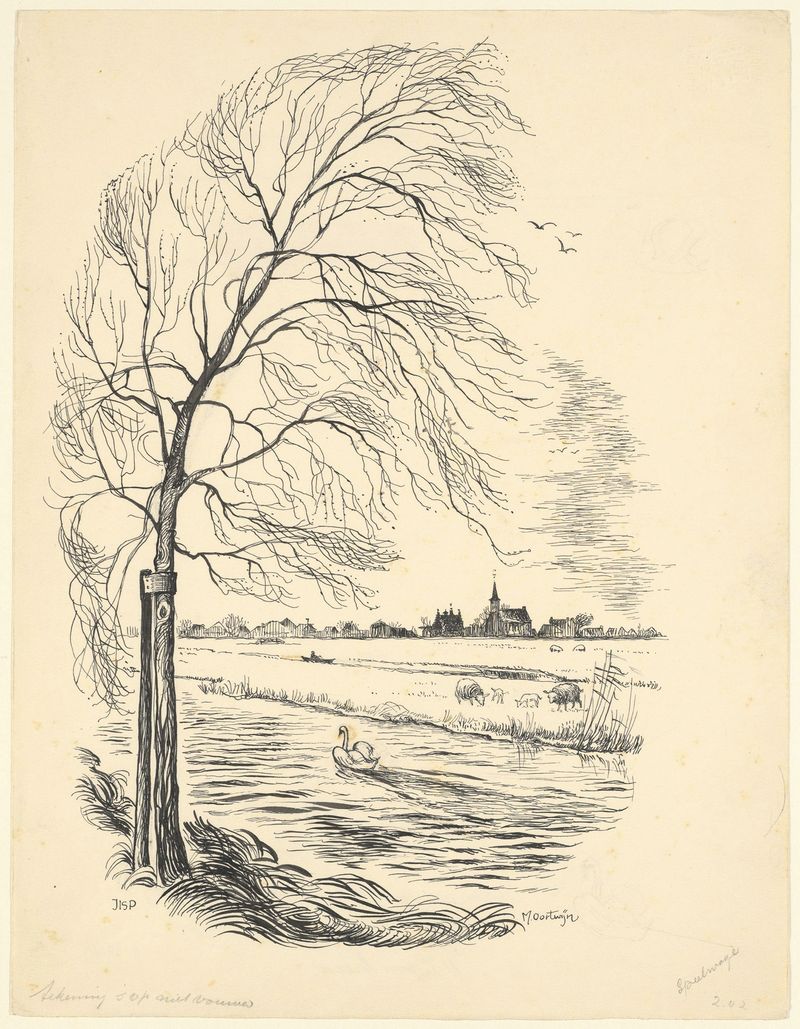
Gezicht op Jisp.
Maarten Oortwijn