Fall in the Foothills — History & Facts
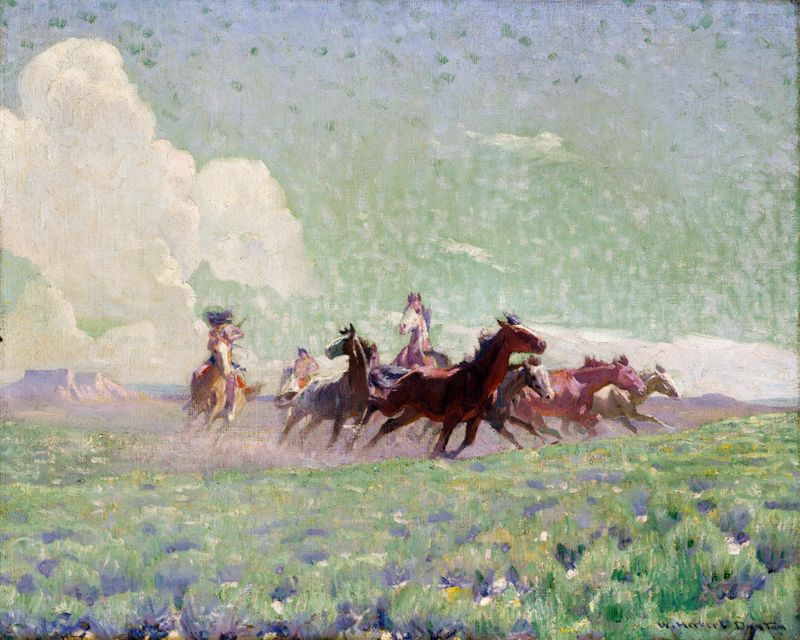
In the quiet spaces of nature, each hue tells a story, whispering legacies that endure through time. Begin by focusing on the golden ochres and rusts that dominate the canvas, inviting the viewer to linger in the warmth of autumn. Notice how the artist skillfully layers these colors to evoke depth, creating a sweeping landscape that feels both expansive and intimate. The gentle undulations of the foothills draw the eye up to a serene sky, where soft clouds offer a delicate contrast, evoking a sense of peace and contemplation. Beneath the beauty lies a deeper narrative of transition.
The vibrant colors of fall signify not just the change of seasons, but also the inevitability of life’s cycles. Look closely at the interplay of light across the trees; it suggests a fleeting moment, an invitation to reflect on the impermanence of beauty. The merging of warmth and coolness in the palette creates a tension between nostalgia and acceptance, prompting viewers to ponder their own legacies amidst the swift passage of time. In the early 1930s, Dunton created this piece during a pivotal time in American art, as the country was recovering from the Great Depression.
Living in New Mexico, he became captivated by the natural landscapes around him, infusing his work with regional character and personal resonance. The painting not only reflects his artistic evolution but also contributes to the broader narrative of American landscape painting, establishing a lasting legacy that speaks to future generations.