
Fallen Trees — History & Facts
In the stillness of nature, dreams intertwine with reality, whispering secrets that drift like leaves in the wind. Look to the center of the canvas, where the gnarled roots of fallen trees twist and stretch like skeletal fingers yearning for the sky. The earthy browns and desaturated greens blend seamlessly, creating a melancholic yet serene palette. Notice how the diffused light filters through the canopy above, casting soft shadows that dance across the forest floor, inviting the viewer to linger and reflect. There is a profound contrast between the vibrant life that surrounds the decaying timber and the desolate beauty of their demise.
Each tree, once a sentinel of the forest, now lies in quiet resignation, suggesting a cycle of life and death that resonates deeply. The play of light and shadow not only accentuates the textures of the bark and foliage but also evokes a sense of nostalgia—an echo of what once was, captured in time. In 1891, during a period of artistic exploration and transition, the artist worked in an era marked by naturalism and introspective themes. Living in Belgium, Den Duyts was influenced by the surrounding landscapes and the burgeoning Impressionist movement, which sought to capture the ephemeral nature of light and atmosphere.
This painting serves as a testament to his ability to blend direct observation with emotional depth, reflecting both personal and universal experiences.
More Artworks by Gustave Den Duyts
Browse all →
Winter Landscape with Sunset
Gustave Den Duyts

Village Street in the Rain
Gustave Den Duyts

Panoramic View of Ghent
Gustave Den Duyts
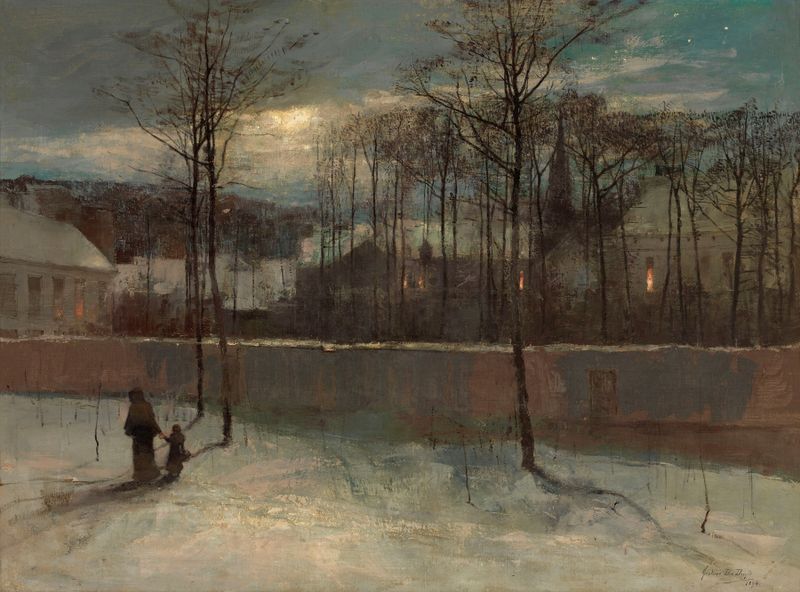
Evening
Gustave Den Duyts
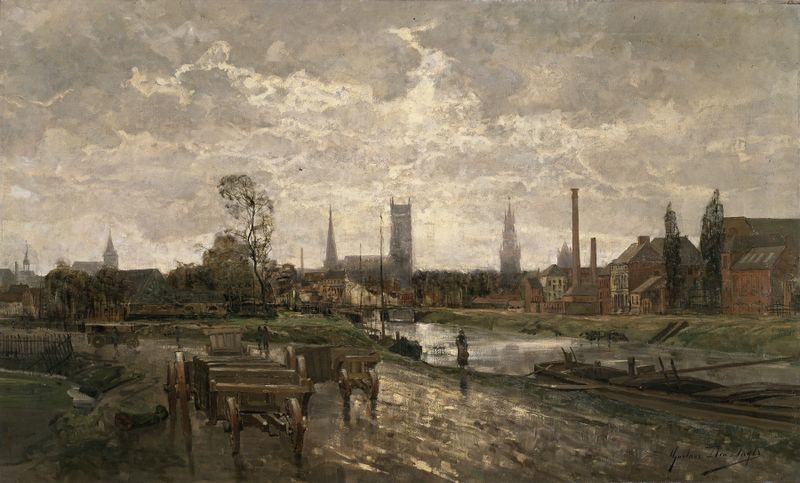
Panoramisch gezicht op Gent
Gustave Den Duyts

Cart Tracks
Gustave Den Duyts

Figures on the Beach
Gustave Den Duyts
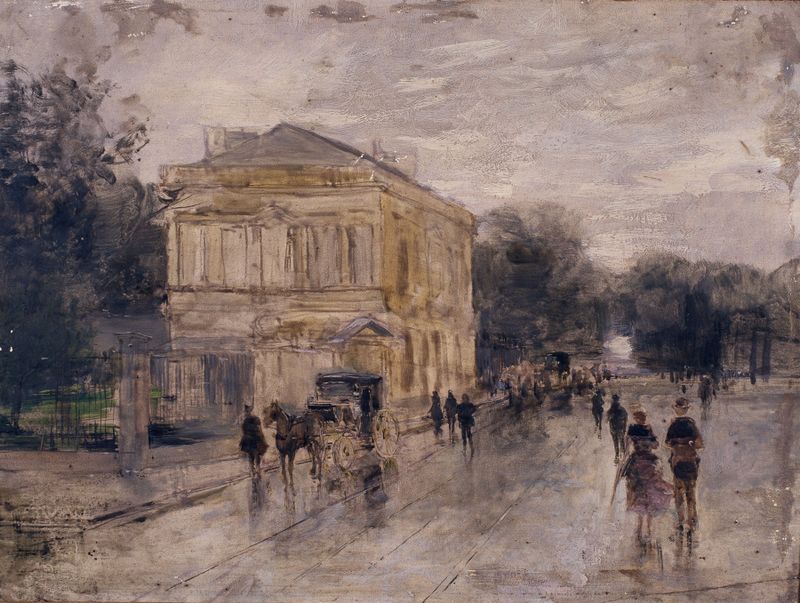
Brussels in the Rain
Gustave Den Duyts

Landscape with a Farm
Gustave Den Duyts

Figures on the Beach
Gustave Den Duyts





