
Fallendes Laub — History & Facts
In a gentle, fleeting moment, we encounter the fragility of existence captured through vibrant hues and delicate forms. Look to the center of the canvas, where a cascade of leaves descends, each one a whisper of autumn's impending chill. Notice how the golden yellows and rich ambers meld with soft, painterly strokes, evoking a sense of movement that feels almost alive. The interplay of light and shadow creates a warmth, contrasting the inevitable decay of nature, guiding the viewer’s gaze through the layered depths of color. As you explore the edges, see how the scattered leaves symbolize both loss and abundance, revealing the duality of change.
Each leaf's unique shape tells a story of its own journey, while the muted background evokes a haunting stillness, inviting reflections on the passage of time. This delicate balance of beauty and transience encapsulates an emotional tension that resonates deeply, urging contemplation of life's ephemeral nature. Olga Wisinger-Florian painted Fallendes Laub in 1899, during a period marked by a growing interest in Impressionism and its exploration of natural themes. Living in Vienna, she was part of an artistic community that embraced change, expressing the nuances of light and atmosphere through her work.
This painting reflects both her personal journey and the evolving landscape of art, where the fragility of life became a poignant subject of inquiry.
More Artworks by Olga Wisinger-Florian
Browse all →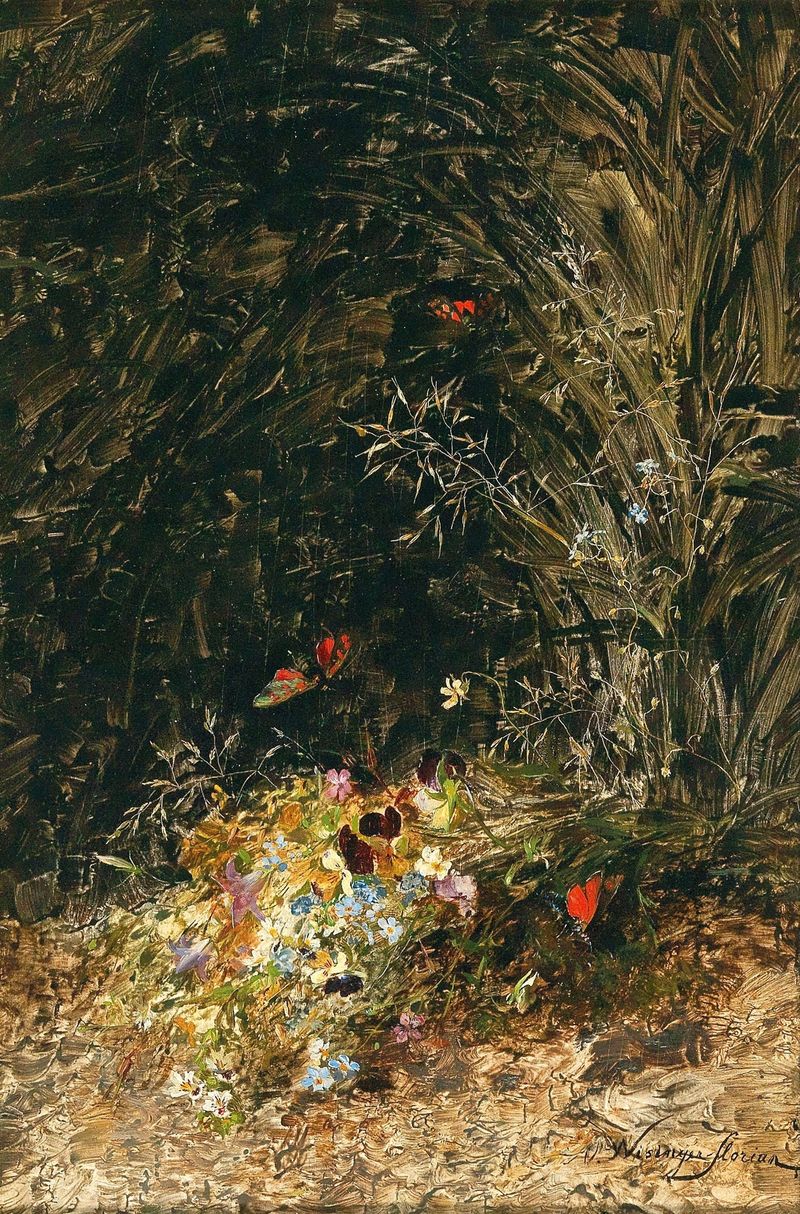
A bouquet of wildflowers
Olga Wisinger-Florian

Aulandschaft
Olga Wisinger-Florian

On the North Sea
Olga Wisinger-Florian
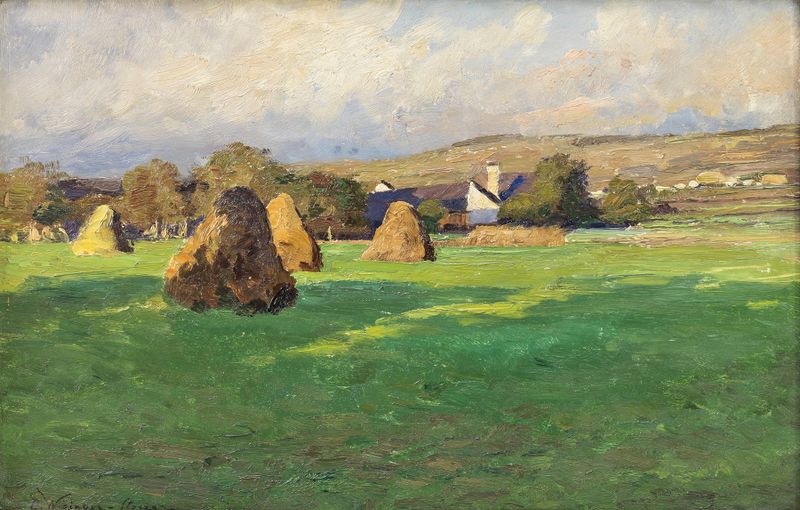
Abendliche Sommerlandschaft mit Strohmandeln
Olga Wisinger-Florian
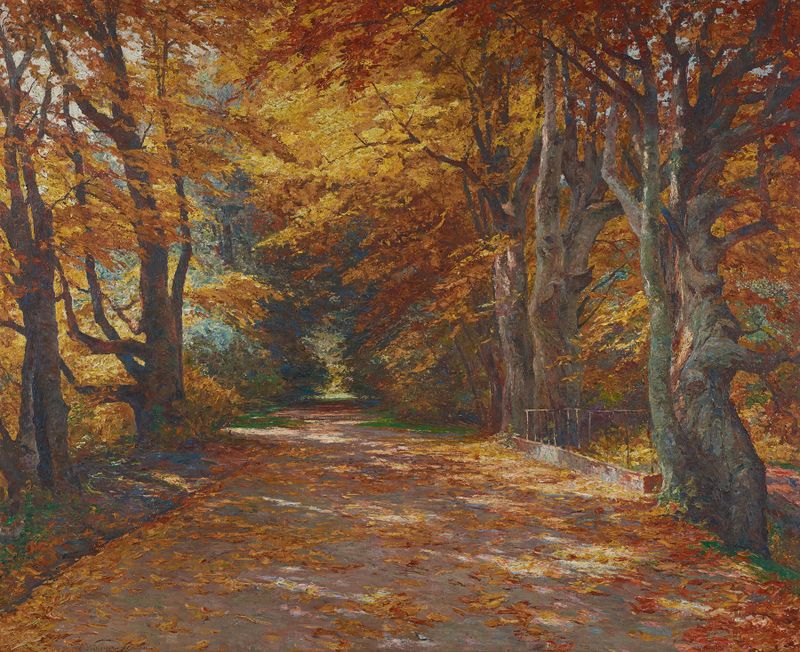
Praterallee im Herbst Herbstliche Allee
Olga Wisinger-Florian
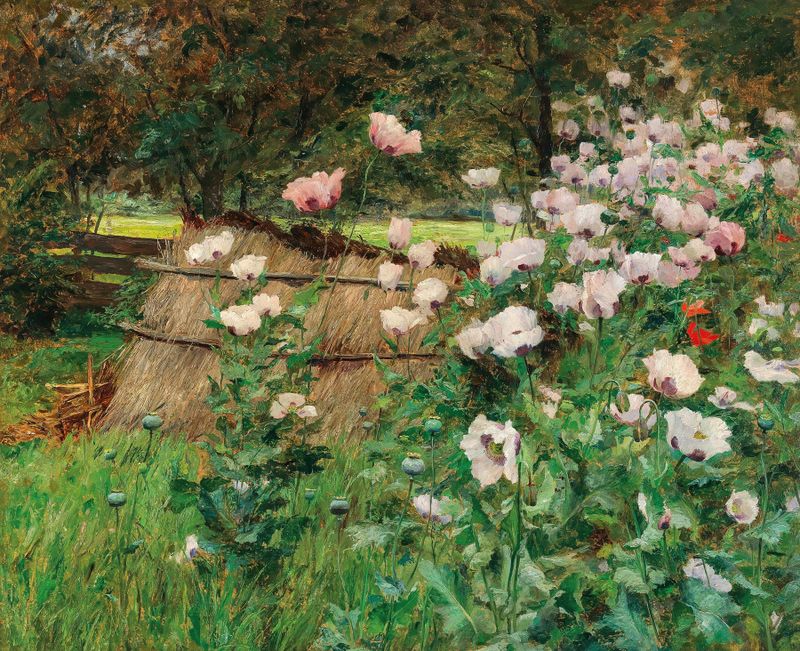
Im Bauerngarten
Olga Wisinger-Florian

Parklandschaft
Olga Wisinger-Florian
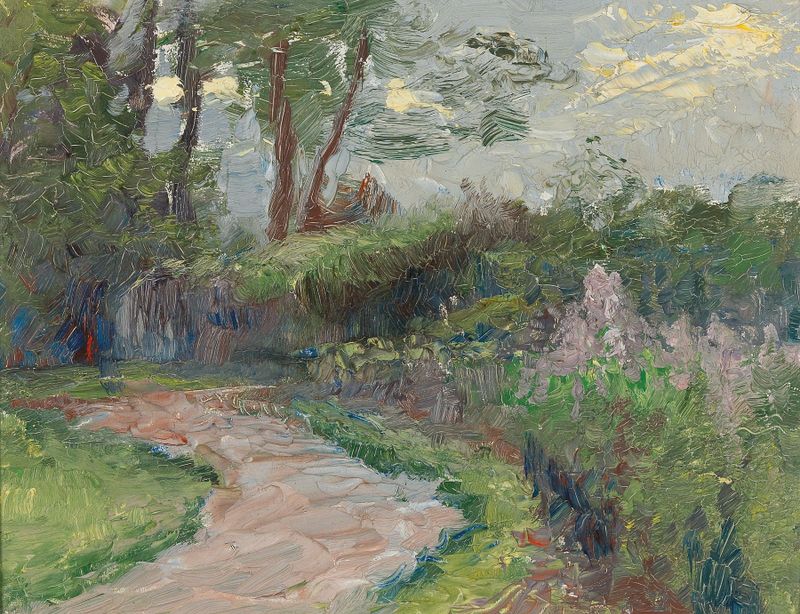
Path in the Park
Olga Wisinger-Florian

Abend
Olga Wisinger-Florian
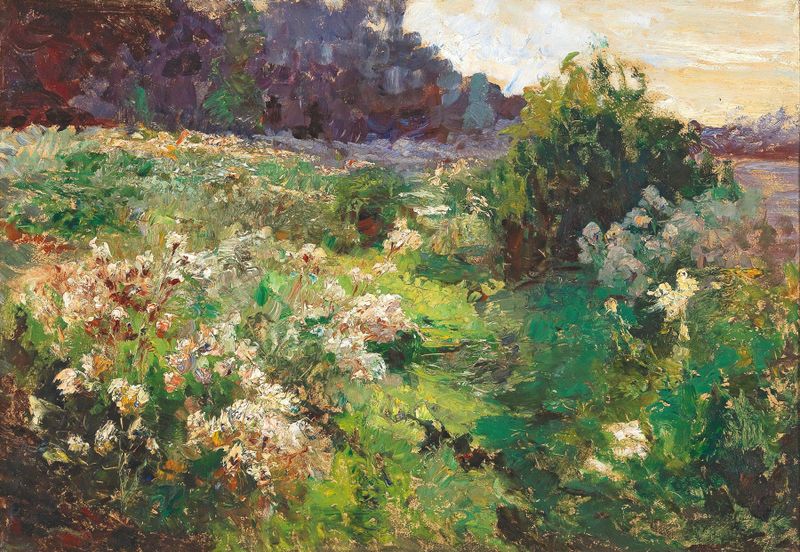
Meadow
Olga Wisinger-Florian





