Fantastic Pavilions in a Grotto — History & Facts
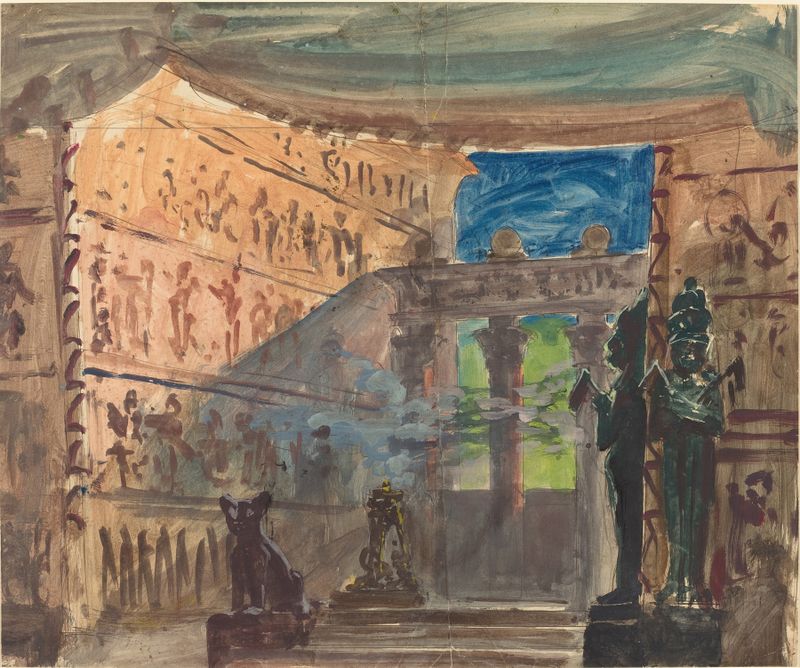
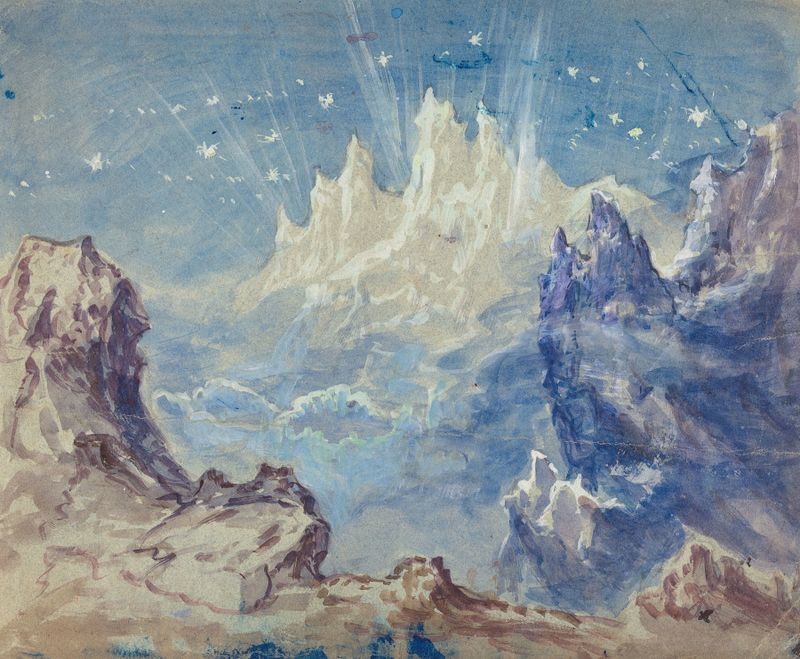
What secret hides in the quiet of the canvas? In Fantastic Pavilions in a Grotto, the viewer is drawn into a world where imagination and reality intertwine, offering hints of transcendence that beckon exploration. Look to the left, where delicate arches and dreamlike structures emerge from an enigmatic landscape, bathed in an ethereal glow. The artist employs a muted palette, layering soft greens and blues that evoke tranquility, while splashes of warmer hues punctuate the scene, inviting a sense of wonder. The subtle interplay of light and shadow plays a crucial role, creating depth and drawing the eye further into the depths of the grotto, where the whimsical architecture seems to breathe with life. Yet, beneath the serene surface lies a profound contrast.
The pavilions, symbols of human aspiration, coexist with the raw, untamed elements of nature that surround them. This duality prompts contemplation on the relationship between mankind and the ethereal realm that often eludes us. Each archway stands as a portal, not just to a physical space but to an exploration of inner landscapes—the dreams and desires that push one toward transcendental experiences. While the date remains uncertain, Robert Caney created this work during a time of immense artistic experimentation, likely influenced by the Surrealist movement's embrace of the fantastical.
Emerging from a backdrop where imagination was increasingly celebrated, Caney sought to capture not just a scene, but a feeling—an invitation to step beyond the mundane and explore the extraordinary depths of the human spirit.