Farm — History & Facts
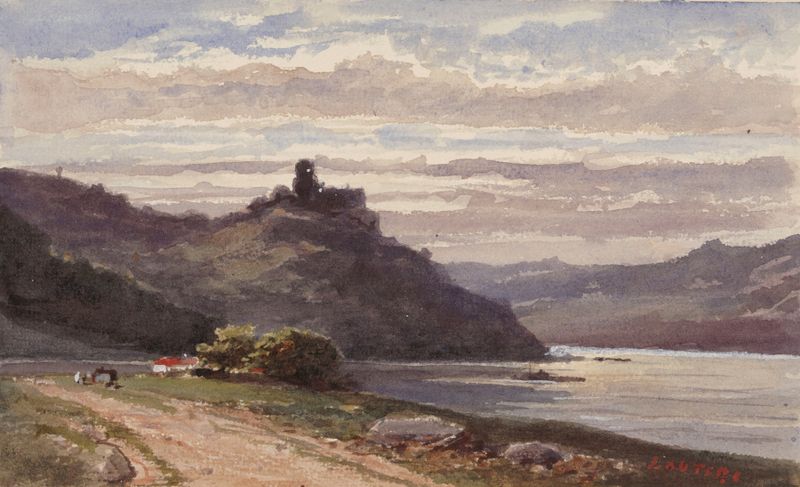
Could beauty survive in a century of chaos? Look closely at the canvas, and you'll first notice the tranquil expanse of golden fields stretching towards the horizon. The gentle strokes of a soft, warm palette suggest the embrace of a late afternoon sun, casting long shadows that dance gracefully across the land. Focus on the serene farmhouse nestled amid the landscape, its walls painted in soft, earthy tones that harmonize with the surrounding nature, evoking a profound sense of peace and stability. As you explore further, observe the interplay of light and shadow on the crops, revealing a subtle tension between vitality and stillness.
The shadows elongate, creating an almost haunting atmosphere, hinting at the passage of time and the inevitable changes that loom over the idyllic scene. The delicate brushwork captures not just the physical beauty of the land but also the underlying emotions—perhaps a quiet unease about the future, as if the landscape is aware of the chaos encroaching from beyond its borders. In 1870, Paul Lauters found himself in a Europe ripe with tension as industrialization rapidly altered the landscape of daily life. This was a period marked by societal upheaval and a yearning for the pastoral simplicity of rural existence.
Lauters, inspired by the beauty of his native land, sought to capture a moment of serenity amidst the encroaching shadows of modernity, reflecting a collective desire to hold onto the beauty that seemed ever more fragile.