Farningham, Kent — History & Facts
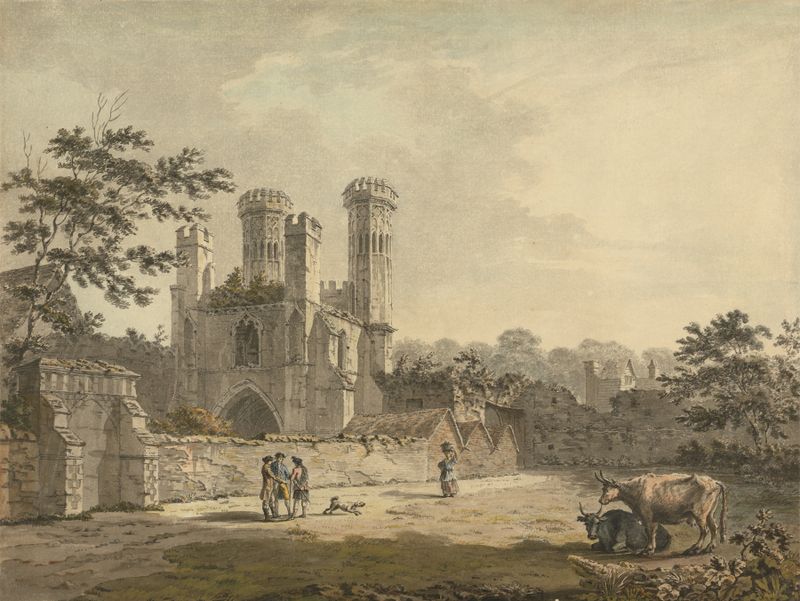
In the quiet corners of memory, landscapes often hold our softest secrets and deepest yearnings, evoking a sense of nostalgia that resonates long after the moment has passed. Look to the foreground, where a gentle stream meanders between lush, verdant banks dotted with wildflowers. The soft brushstrokes create a sense of movement, as if the breeze whispers through the trees. Notice how the warm light of late afternoon bathes the scene in a golden hue, casting elongated shadows and inviting the viewer into this pastoral embrace.
The composition is masterful, leading the eye through the tranquil waters toward a distant horizon, where the ethereal sky dances in shades of blue and pink. Beneath the surface beauty lies a tension between the idyllic setting and the fleeting nature of time. The tranquility of the scene contrasts with the inevitable passage of seasons, hinting at the transient moments of life. Each detail, from the fluttering leaves to the distant figures engaged in daily toil, encapsulates a yearning for a simpler time, inviting reflection on what has been lost in the rush of modernity.
The interplay of light and shadow serves as a reminder that beauty can coexist with melancholy. In 1784, the artist found himself amidst a rapidly changing world, where the Industrial Revolution was beginning to reshape both landscape and society. Working from his studio in Kent, he sought to capture the serene beauty of rural life before it succumbed to the pressures of progress. This marked not only a pivotal moment in his career but also a broader movement within art to document fleeting moments of tranquility in a world increasingly on the brink of transformation.