Fire in Antwerp — History & Facts
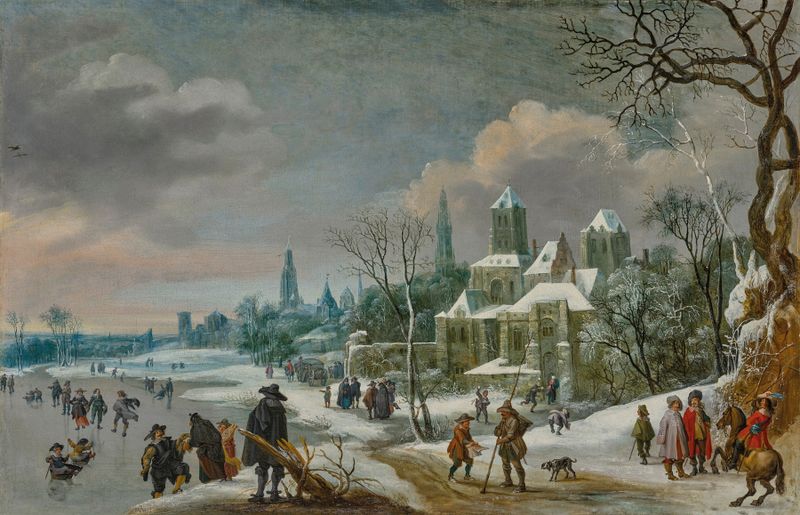
In a world that often craves noise, emptiness can speak louder than any word. What stories linger in the void, waiting to be uncovered? Look to the left where the shadows emerge from the remnants of a charred structure, flickering hints of the fire’s violent aftermath. Notice how the muted palette of grays and browns interacts with the faint glimmers of orange and yellow, remnants of heat that refuse to fade.
The artist’s skillful brushwork captures the jagged outlines of ruined architecture, leading the eye along the fragmented edges that suggest both destruction and the passage of time. Yet, amid this devastation lies an unsettling stillness. The scattered debris becomes a poignant metaphor for loss and decay, while the absence of figures amplifies the isolation of the scene. Each burned piece whispers of lives interrupted, dreams extinguished; the emptiness evokes a haunting contemplation on the fragility of existence.
The interplay of light and shadow further heightens the emotional tension, inviting viewers to grapple with the silence that permeates the air. Created during a period marked by the turmoil of the 17th century, the artist captured this moment likely amid the backdrop of conflict in the Low Countries. Little is known about Van Heil's personal circumstances during this time, but the socio-political landscape of war and upheaval undeniably influenced his work. As the art world began to flourish with Baroque ideals, his expression captured both the chaos and the profound stillness of a ravaged cityscape, echoing the sentiments of an age caught between destruction and rebirth.