Fisherman’s hut — History & Facts
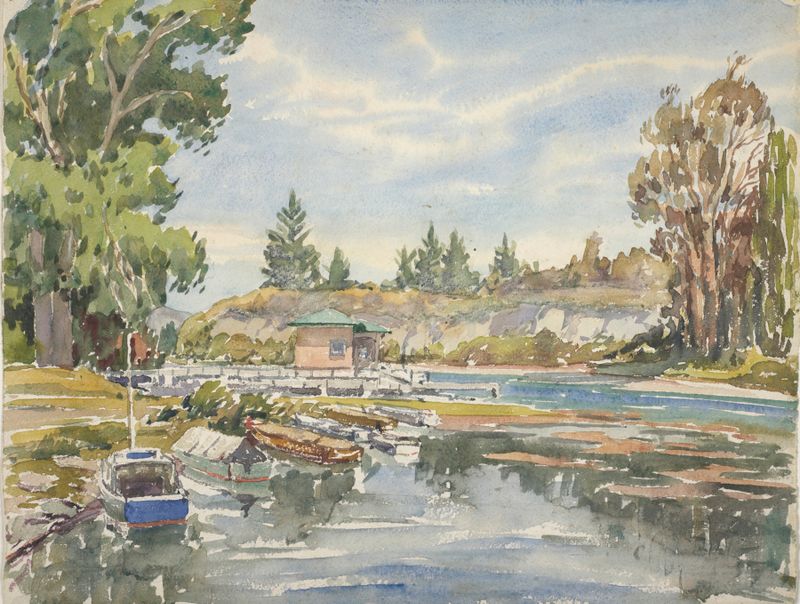
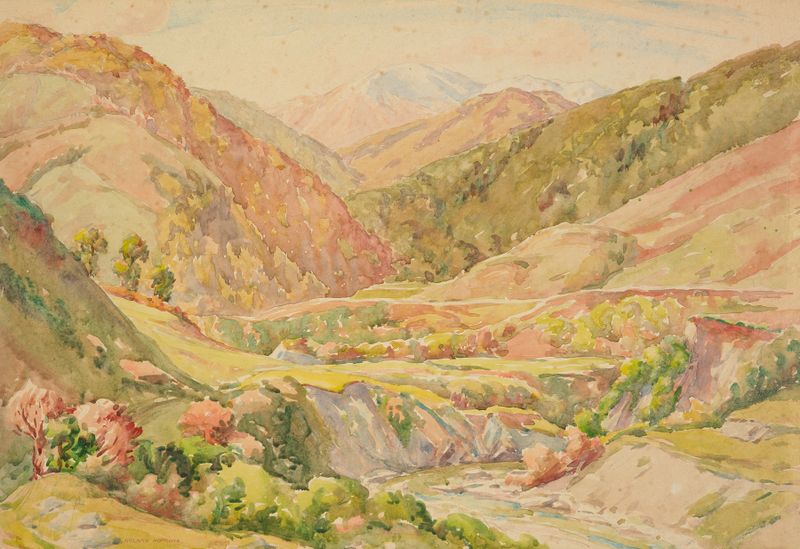
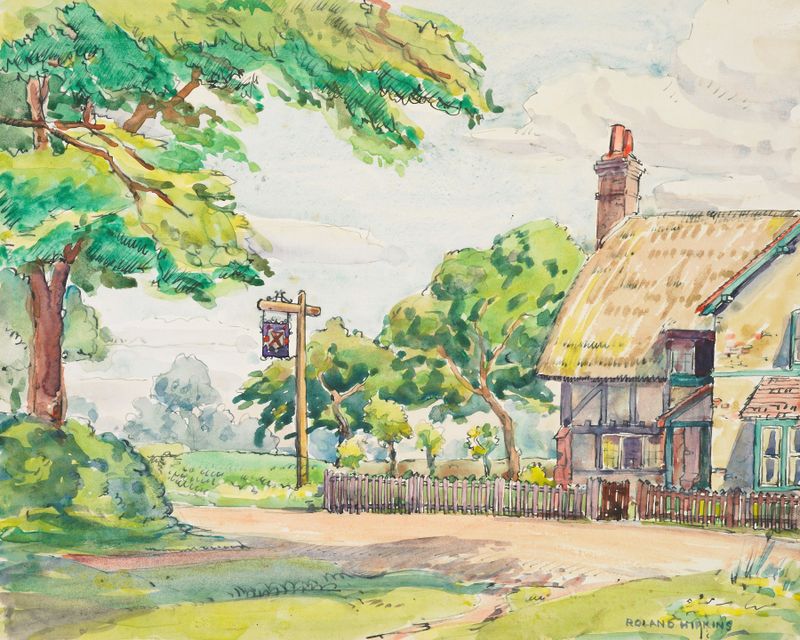
What if beauty was never meant to be finished? In the stillness of Fisherman’s Hut, the essence of reflection speaks volumes, inviting us to ponder the fleeting nature of life and art. Look to the left, where the weathered walls of the fisherman’s hut bear the marks of time. Notice the intricate textures created by the artist’s deft brushwork, each stroke revealing the stories held within this humble structure. The interplay of muted earth tones with gentle touches of blue and green captures a sense of tranquility, beckoning the viewer to explore the subtle harmony of the scene. Delve into the contrasts that emerge in this composition: the sturdy simplicity of the hut juxtaposed with the overwhelming beauty of surrounding nature.
The quiet water mirrors the silhouette of the hut, creating a dialogue that speaks to the connection between humanity and the environment. This reflection not only enhances the visual complexity but also evokes themes of solitude, resilience, and the passage of time, as if the hut stands witness to countless fishermen's tales. In 1944, Roland Hipkins created this poignant piece during a turbulent period marked by war and uncertainty. Living in England, he sought solace and inspiration in the natural landscapes of his homeland, merging realism with a touch of romanticism.
His work reflects a desire to capture the essence of everyday life, showcasing beauty in the mundane and inviting viewers to find meaning in the simplest of subjects amidst chaos.