Fishing on the Lake of Managua, Nicaragua — History & Facts
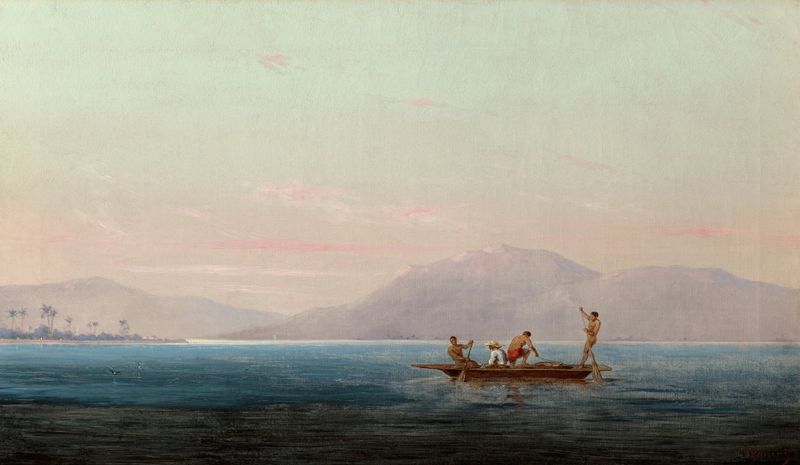
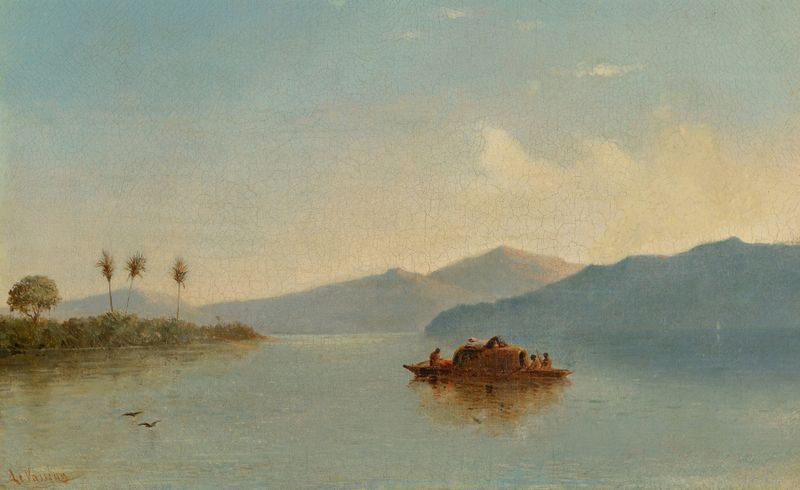
What if beauty was never meant to be finished? In the tranquil embrace of the Lake of Managua, life unfolds in an exquisite balance between the earthly and the divine. Look closely at the serene water, where the rippling surface mirrors the evolving sky. Notice the fishermen, their figures captured in fluid brushstrokes, working in harmony with nature. The soft palette of greens and blues evokes a sense of calm, contrasting with the fleeting touches of white where light dances across the water’s surface.
This interplay of color and movement invites you to linger, to feel the gentle pull of the scene’s serenity. Beneath the surface, deeper meanings emerge. The fishermen, engaged in their age-old pursuit, symbolize humanity's connection to the land and its resources. The gentle waves, kissed by the light of dawn, suggest a divine presence, hinting at a spiritual undertone in the everyday.
This painting captures the tension between the simplicity of rural life and the vast, unfolding mysteries of existence, inviting the viewer to contemplate the sacred moments woven into our daily routines. Judah Levasseur painted this serene scene in 1840, during a time when Central America was experiencing significant political turmoil and social change. Living in Nicaragua amid these transitions, Levasseur was influenced by both the lush landscapes and the rich cultures around him. His work reflects not only the beauty of the region but also an exploration of human existence amid the divine, demonstrating how art can capture the essence of a place and a moment in history.