Five Studies of the Head of a Sheep — History & Facts
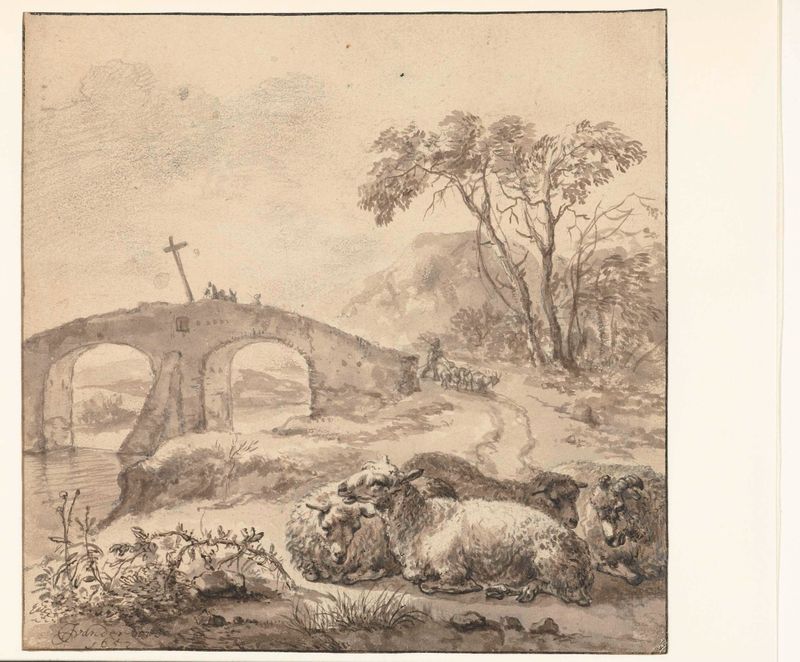
This sentiment captures the ecstasy of observation, revealing deeper layers than mere visual representation. In the delicate interplay of light and shadow, one can find an emotional resonance that transcends the surface. Look to the top left of the canvas, where the sheep’s head emerges with a meticulous grace. The soft, muted hues blend seamlessly into the earthy background, each stroke revealing the texture of the wool.
Notice how the eyes glisten with a depth that hints at an inner life, drawing the viewer into a moment of quiet contemplation. The variations in light emphasize the contours of the skull and the softness of the ears, creating a rhythm of form and space. As you explore further, subtle contrasts come to life—the tension between the vibrant whites and the richer browns speaks to the complexity of existence within simplicity. Each study reveals a different expression, a myriad of emotions captured in stillness, inviting reflection on the nature of identity and perception.
These studies serve as a reminder of the fragility and beauty of life, with each head offering a distinct perspective on ecstasy, vulnerability, and truth. Painted during the mid-17th century, this work reflects Jacob van der Does' keen observation during a transformative period in Dutch art. It was a time marked by a growing appreciation for realism and detail, characteristic of the Baroque style. As van der Does navigated this artistic landscape, he honed his skills in capturing not just likeness but the essence of his subjects, enriching the dialogue between art and nature.