Flower-Covered Dunes — History & Facts
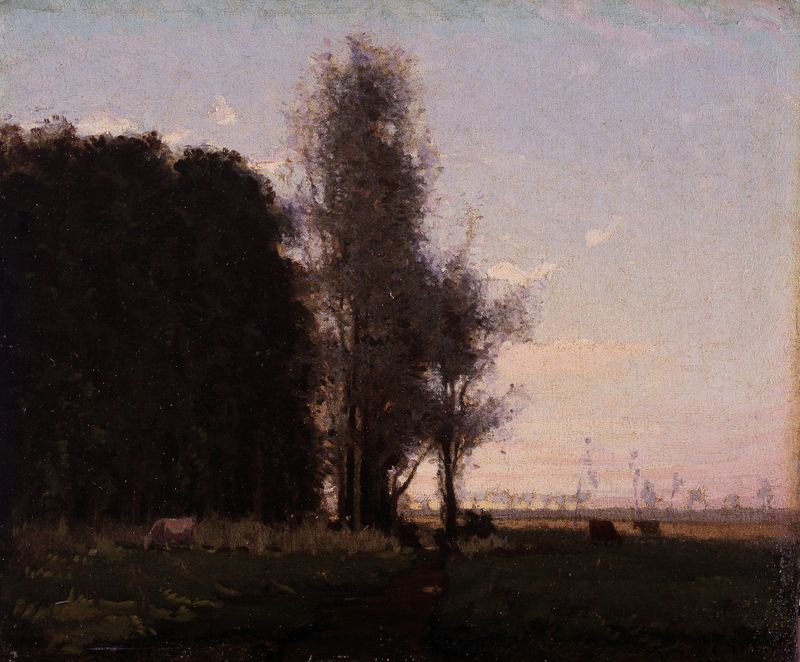
In every stroke lies a whisper of truth, waiting to be unveiled. Look closely at the vibrant tapestry of colors that unfolds across the canvas; the lush greens and vivid pinks dance together in a symphony of life. Notice how the dunes rise and fall, not merely as mounds of earth but as undulating waves of emotion, beckoning you to explore their depths. The interplay of light and shadow reveals not only the contours of the landscape but also suggests a harmony between nature and spirit. Consider the delicate flowers that dot the scene, each petal a testament to resilience amid shifting sands.
Their presence hints at an undercurrent of fragility; these fleeting blooms stand defiantly against the vastness of the dunes, embodying the transitory nature of beauty. The subtle layering of paint adds texture, inviting contemplation of both the tumultuous and serene aspects of existence, mirroring the dualities we face in our own lives. In the 19th century, the artist captured Flower-Covered Dunes during a period marked by exploration and a burgeoning appreciation for nature in art. Living in an era that saw a shift towards Romanticism, he sought to convey the profound connection between humanity and the natural world.
This work reflects not just personal expression, but also the broader cultural movement that celebrated the sublime and the picturesque, as artists sought to encapsulate the changing landscape of both their environment and their inner selves.