
Fog on Thames — History & Facts
In this suspended moment of fog and water, hope emerges as a delicate whisper against an otherwise muted backdrop. Focus on the gentle blend of blues and grays that characterize the painting. The soft, swirling strokes create a sense of movement while simultaneously enveloping the Thames in a serene stillness. Notice how the fog, thick and mysterious, cloaks the cityscape, suggesting something hidden just beneath the surface.
The subtle play of light peeking through the fog brings a sense of depth, inviting the viewer to delve deeper into the emotional undercurrents of the scene. The composition evokes a feeling of duality: the tranquil surface contrasts with the potential chaos beneath the water, a metaphor for the unseen struggles of life. Hidden outlines of boats and distant structures emerge from the mist, hinting at the bustling activity of the city, yet they remain shrouded, symbolizing hope and possibility in uncertainty. This interplay resonates with the viewer, encouraging reflection on the coexistence of clarity and ambiguity in our own experiences. In 1913, the artist was immersed in the rich cultural tapestry of the early 20th century, where modernism was beginning to take root.
Working in the United States, Bertha Jaques was evolving her style, blending impressionism with her innate sensitivity to light and atmosphere. This work reflects not only her personal artistic journey but also the broader artistic movements of her time, encapsulating a moment where the ephemeral beauty of nature meets the complexities of urban life.
More Artworks by Bertha Jaques
Browse all →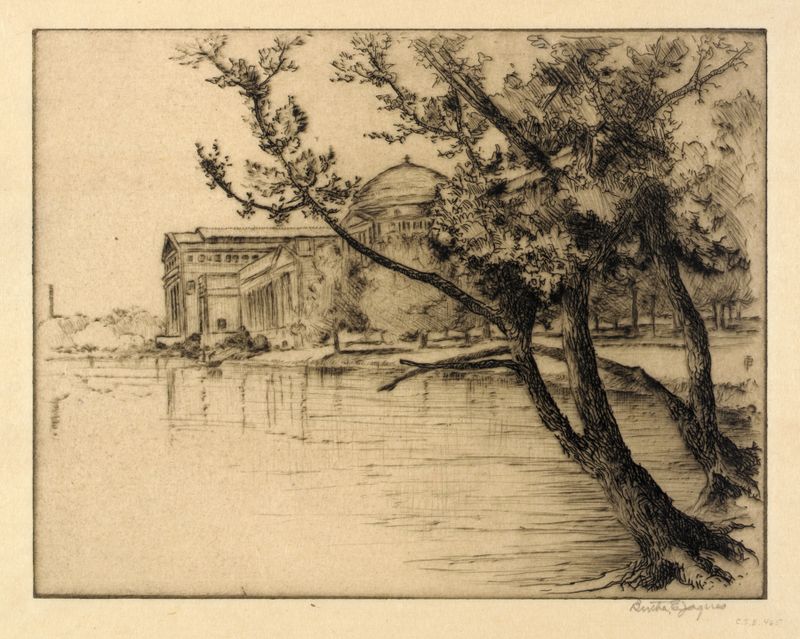
Fine Arts Building, Looking West
Bertha Jaques

Columns, Roman Forum
Bertha Jaques

Tower Bridge, Thames, London
Bertha Jaques

Fine Arts Building, Chicago (Facade, West)
Bertha Jaques
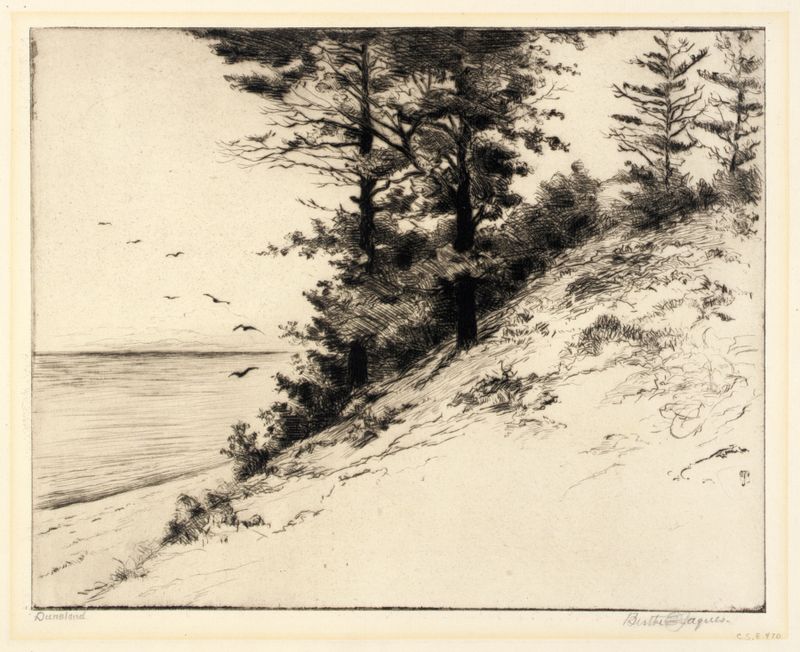
Duneland
Bertha Jaques
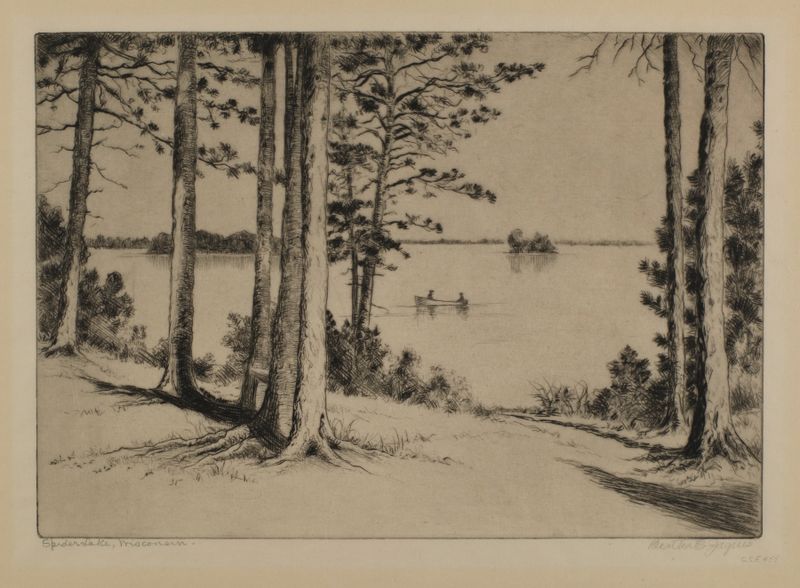
Spider Lake, Wisconsin
Bertha Jaques
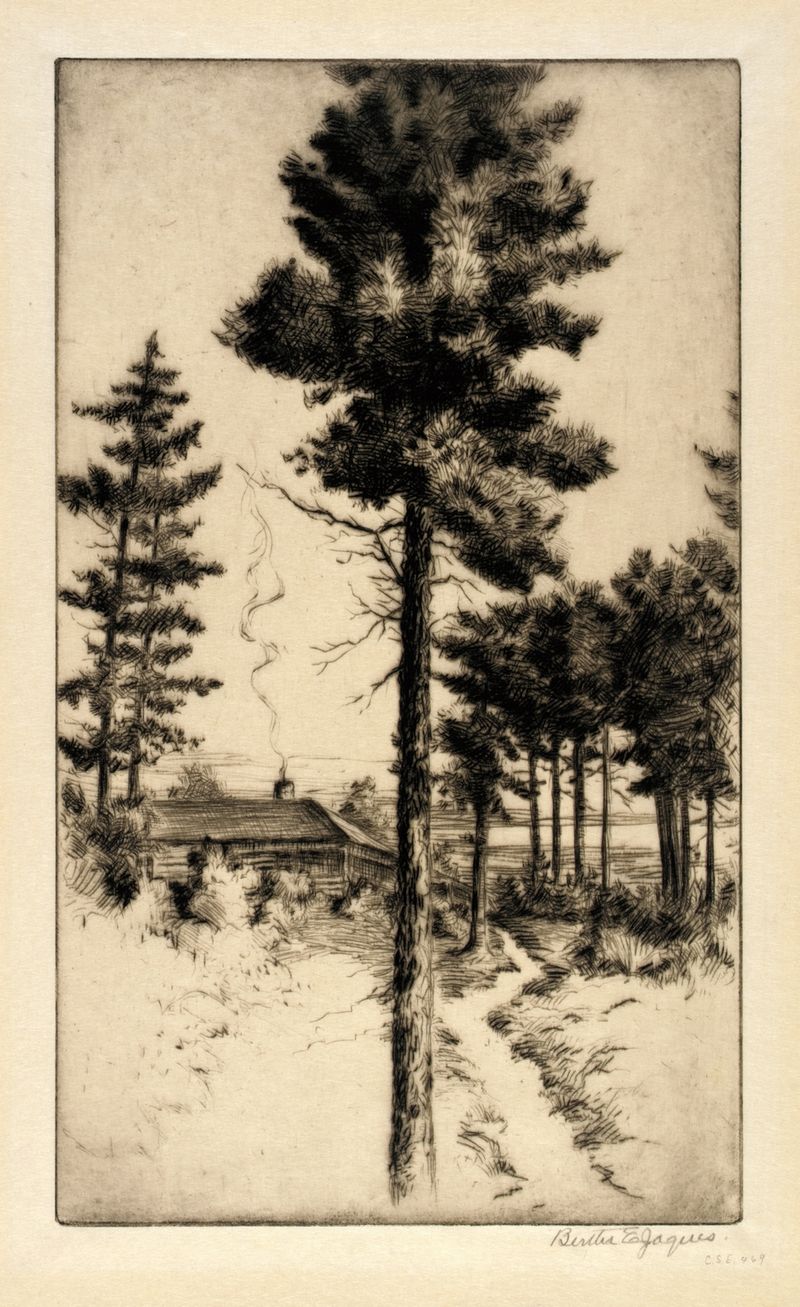
Cabin in Wilderness
Bertha Jaques
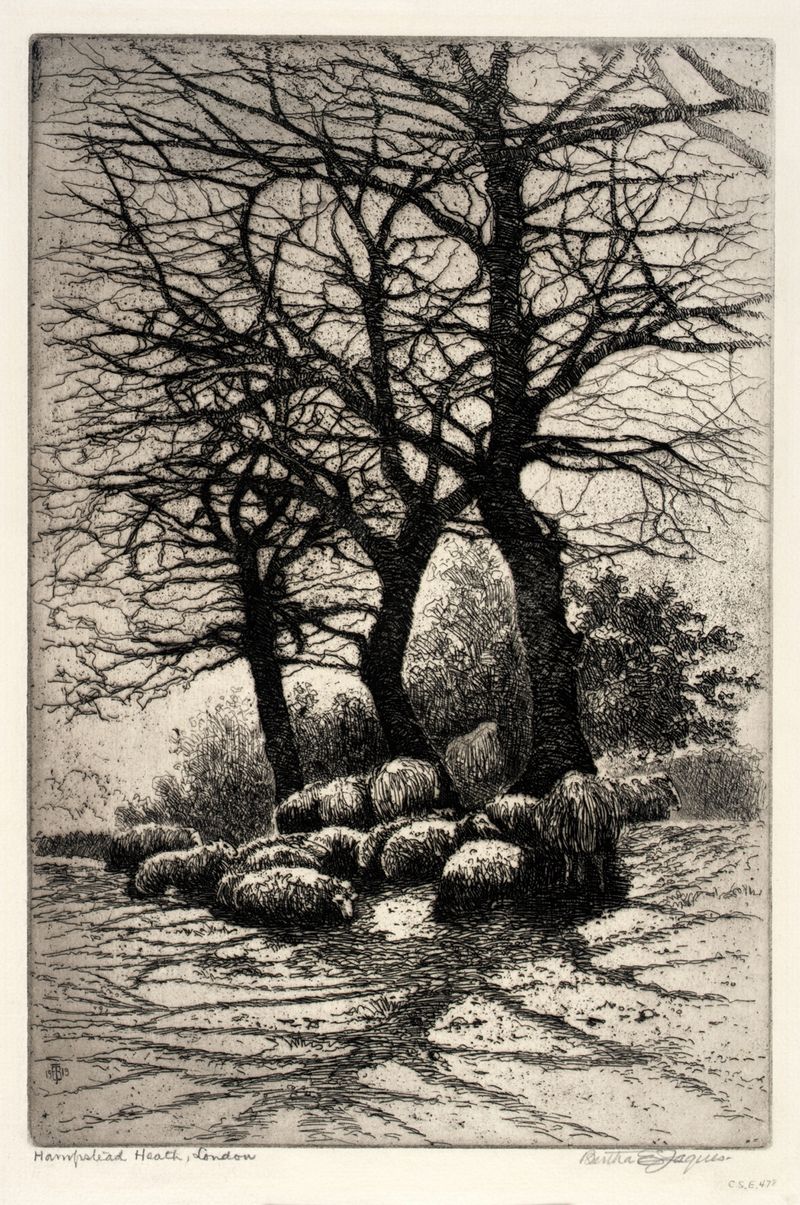
Hampstead Heath, London
Bertha Jaques
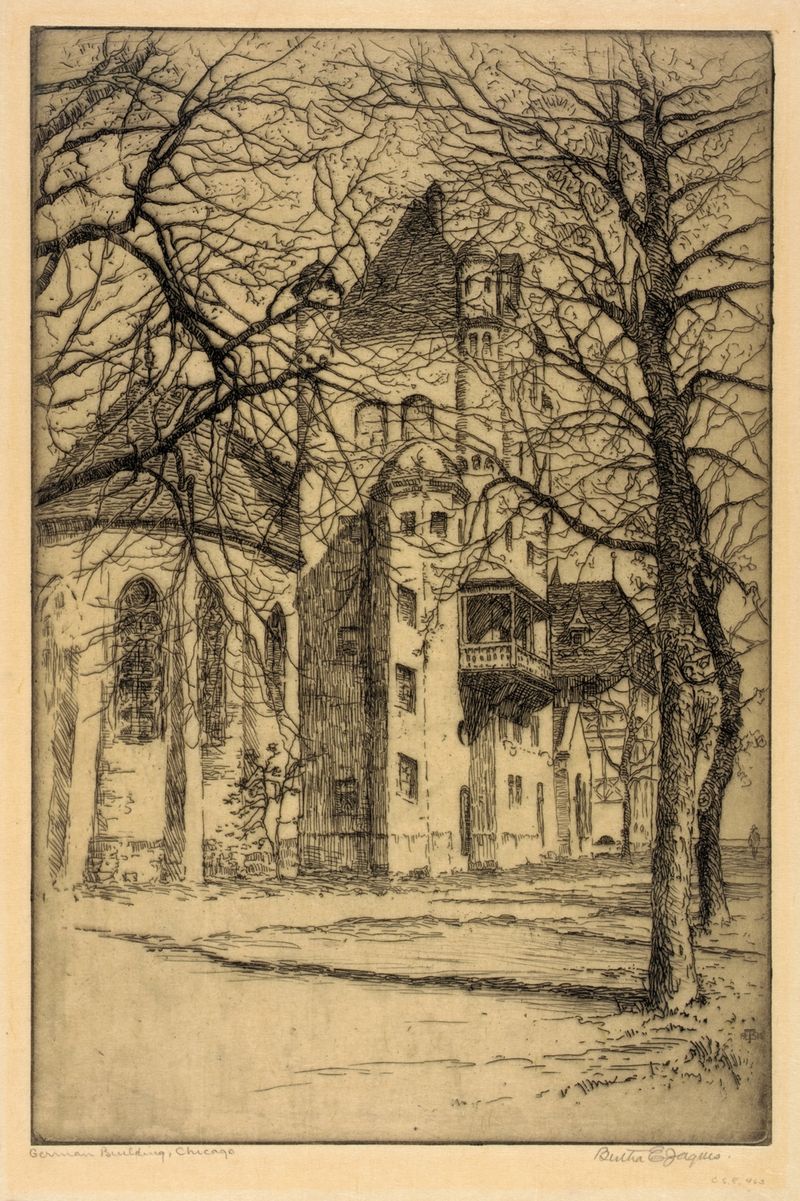
German Building, Chicago
Bertha Jaques

Roman Forum
Bertha Jaques





