
Foggy morning — History & Facts
In Foggy Morning, the stillness of a new day hangs in the air, drawing the viewer into its contemplative embrace. Each brushstroke captures the essence of reflection, both in the physical sense and the emotional depths they evoke. Look to the center where the thick, swirling fog envelops a solitary figure, muffling the landscape and creating a sense of mystery. The muted palette of grays and whites invites your gaze, emphasizing the tranquility of the moment while highlighting the tension between the known and the unseen.
Notice how the light, diffused by the fog, softens edges and blurs boundaries, conjuring a dreamlike quality that draws you deeper into the scene. The figure, though isolated, embodies a rich emotional narrative. Is the person waiting for something, or merely lost in thought, contemplating life’s uncertainties? There’s an interplay between solitude and connection in the way the fog wraps around them, suggesting both comfort and isolation. This duality reflects our own experiences — moments of introspection that can bring clarity or, conversely, leave us shrouded in doubt. Jan Bohuszewicz painted Foggy Morning in 1929, during a period marked by profound change in Europe.
Emerging from the aftermath of World War I, he explored themes of identity and isolation through his work. The art world was evolving, influenced by modernism and the search for new expressions, and Bohuszewicz found inspiration in the quiet beauty of nature, infusing it with emotional resonance that still speaks to viewers today.
More Artworks by Jan Bohuszewicz
Browse all →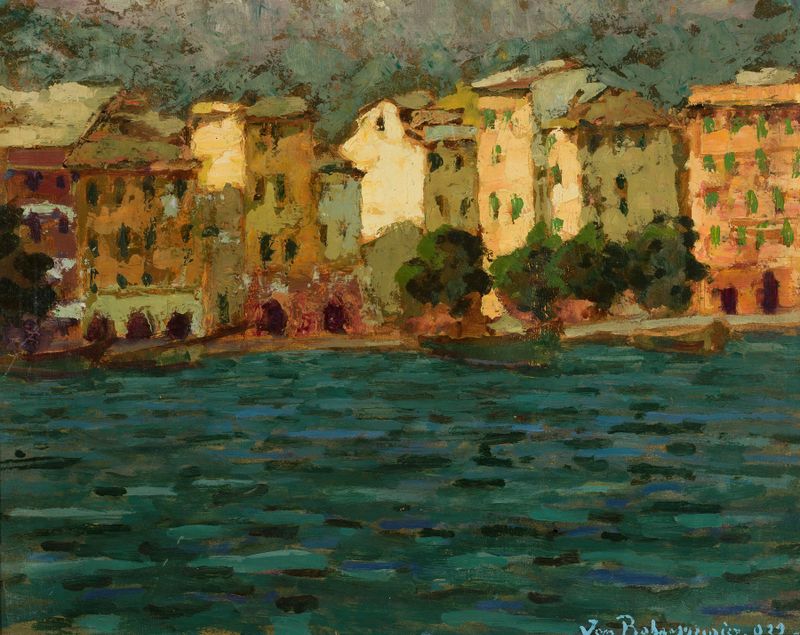
Port in the sunshine
Jan Bohuszewicz

Golden autumn
Jan Bohuszewicz

Larch Trees by the Lake in Dobiacco
Jan Bohuszewicz
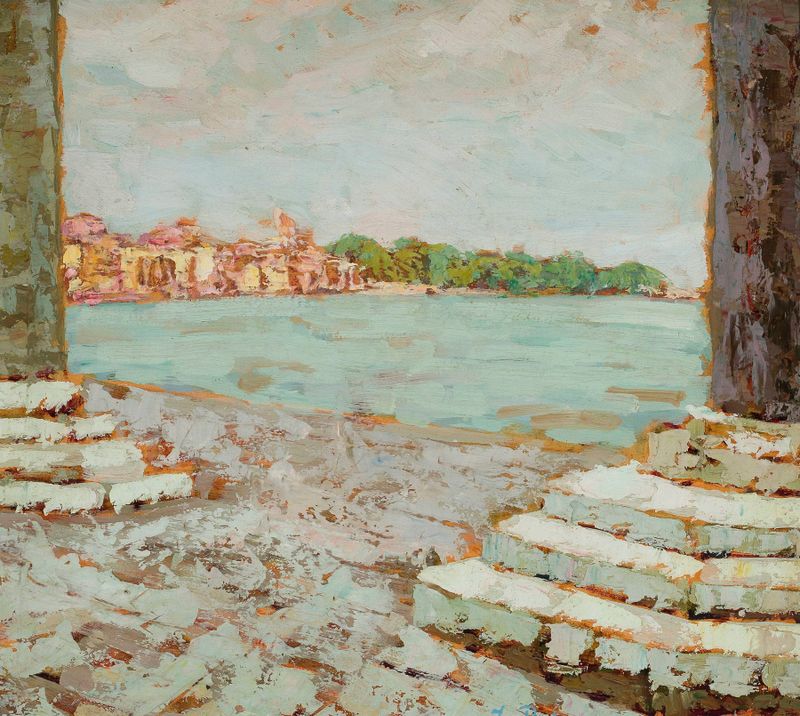
View from Piazzetta in Venice
Jan Bohuszewicz

Polish cottages
Jan Bohuszewicz
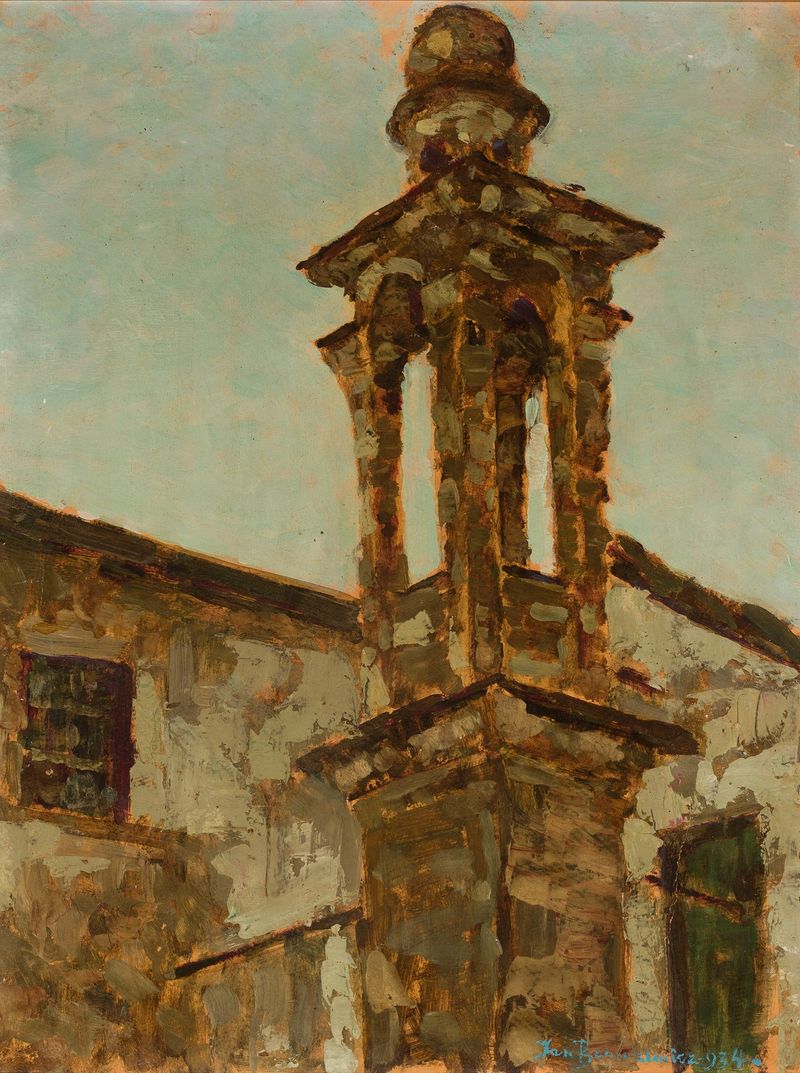
Old bell-tower
Jan Bohuszewicz
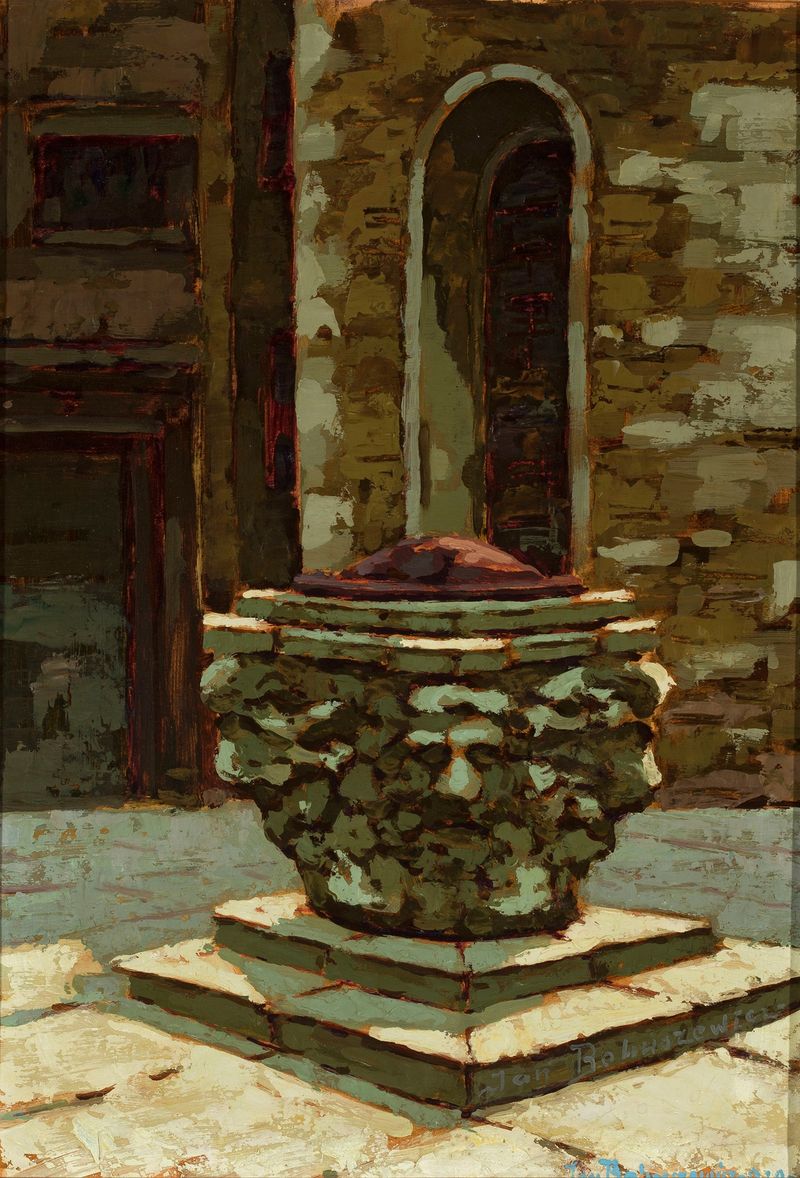
Small well in Venice in the sunshine
Jan Bohuszewicz
Old house with a porch
Jan Bohuszewicz

Shells
Jan Bohuszewicz
Platanus Trees at a Monastery Gate
Jan Bohuszewicz





