Discover insights about this artwork
Foot of Lake — History & Facts
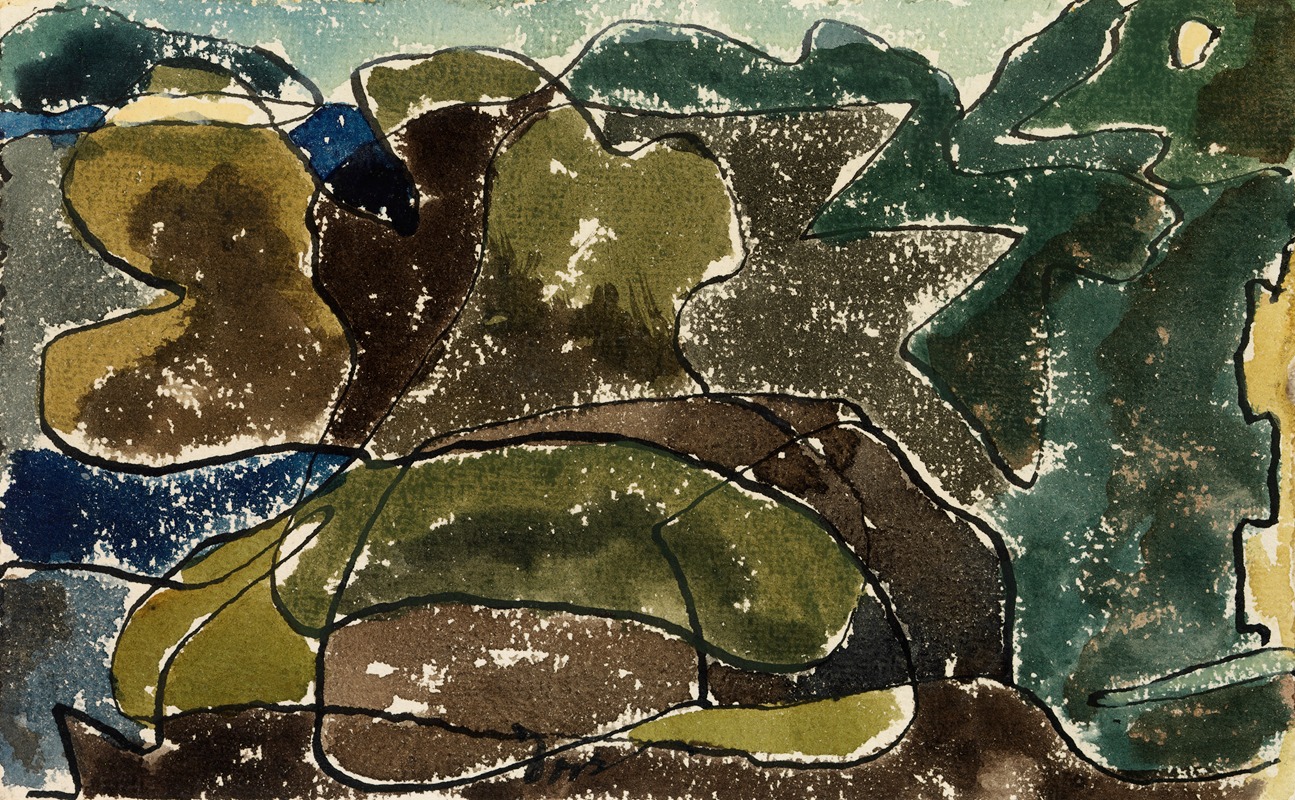
In Foot of Lake, Arthur Dove presents a tranquil lakeside scene dominated by soft blues and greens. The painting features abstract forms that suggest water and foliage, creating a harmonious balance. The gentle brushstrokes evoke a sense of calm, inviting the viewer to immerse themselves in the landscape.
The overall composition feels organic and fluid, reflecting the natural beauty of the lakeside environment. Dove employs oil on canvas for this work, allowing for rich color saturation and texture. The dimensions are approximately 60 x 80 cm, making it a medium-sized painting that can be appreciated up close. The abstract forms are not strictly defined, encouraging viewers to interpret the shapes in their own way.
This technique is characteristic of Dove's modernist style, where nature is expressed through abstraction. Arthur Dove was a pioneer of American modernism, often focusing on the natural world in his art. Foot of Lake exemplifies his interest in abstraction and the emotional resonance of landscapes. An interesting fact about this work is that it reflects Dove's belief in the spiritual connection between humans and nature, a theme prevalent in his oeuvre.
This painting is part of the collection at the Whitney Museum of American Art, showcasing the importance of American artists in the modernist movement.
More Artworks by Arthur Dove

Out the Window
Arthur Dove
Over the Harbor, Centerport
Arthur Dove
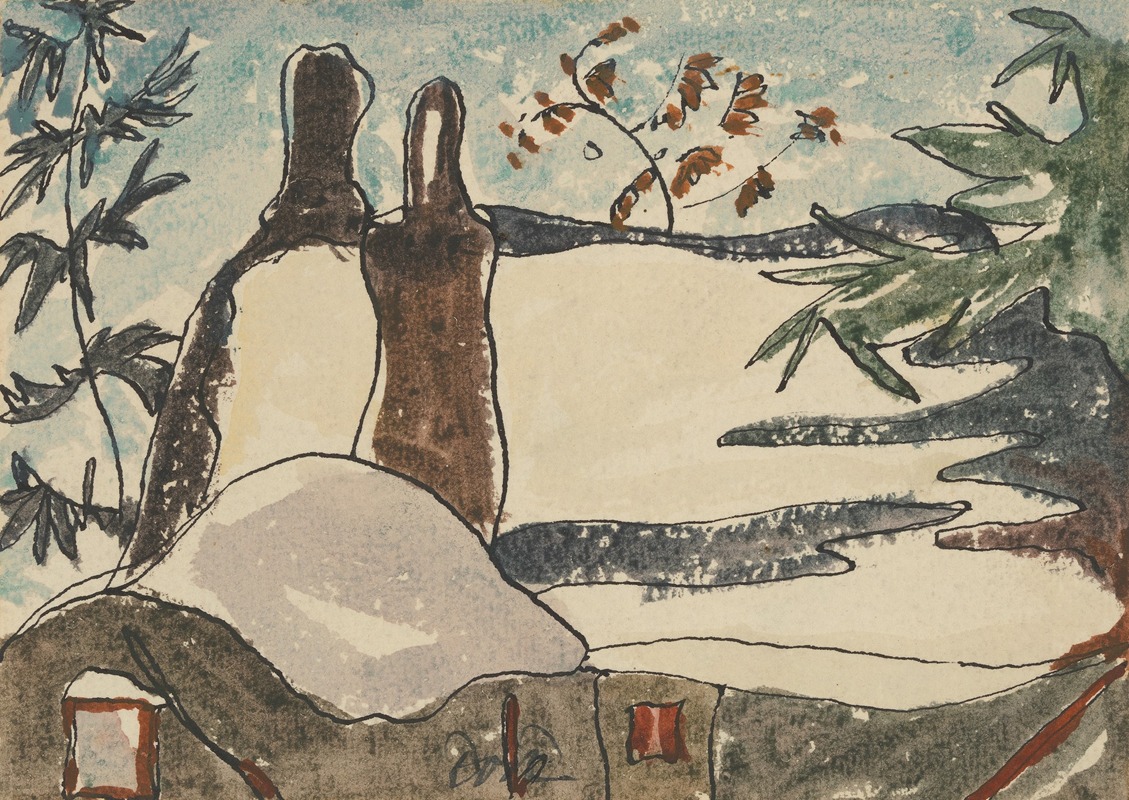
Snowy Rooftops and Trees
Arthur Dove

Pagan Philosophy
Arthur Dove
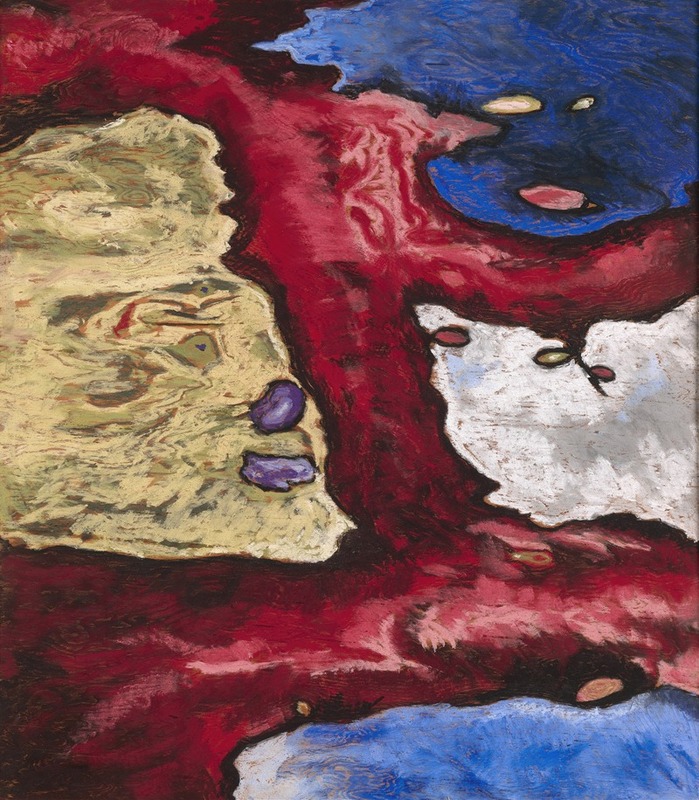
Tree Forms and Water
Arthur Dove

Nature Symbolized No. 1 (Roofs)
Arthur Dove
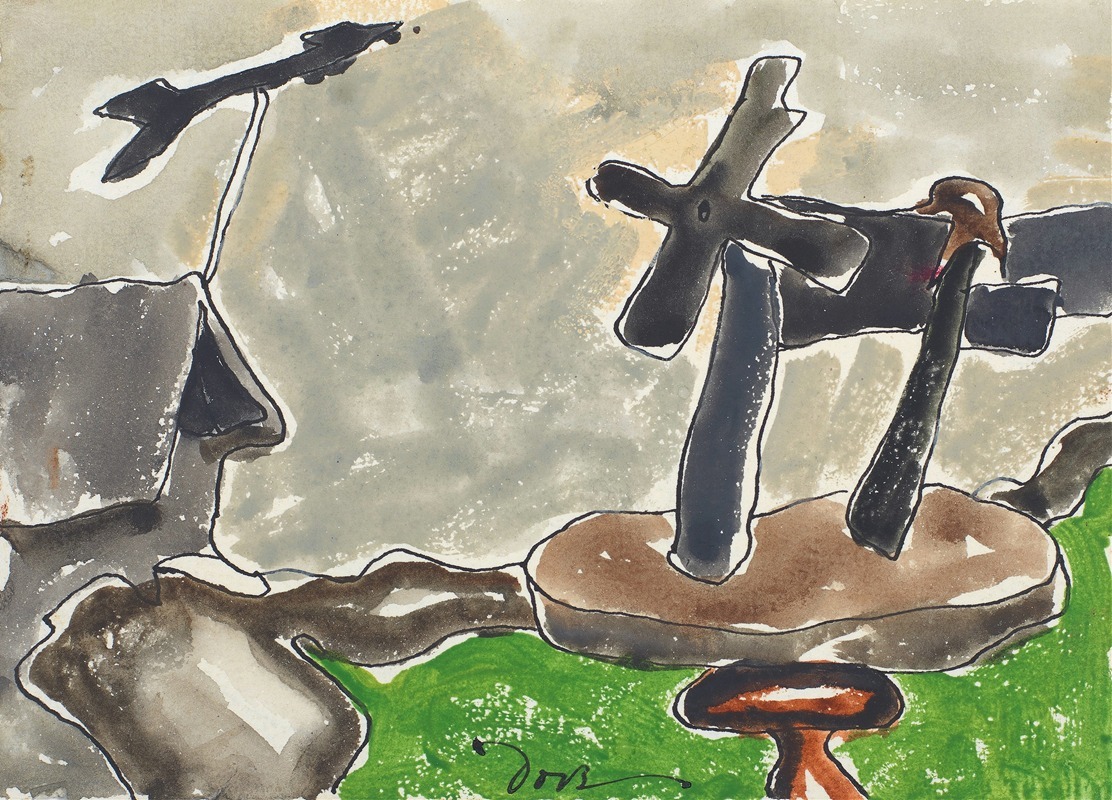
Landscape with Weather Vane
Arthur Dove
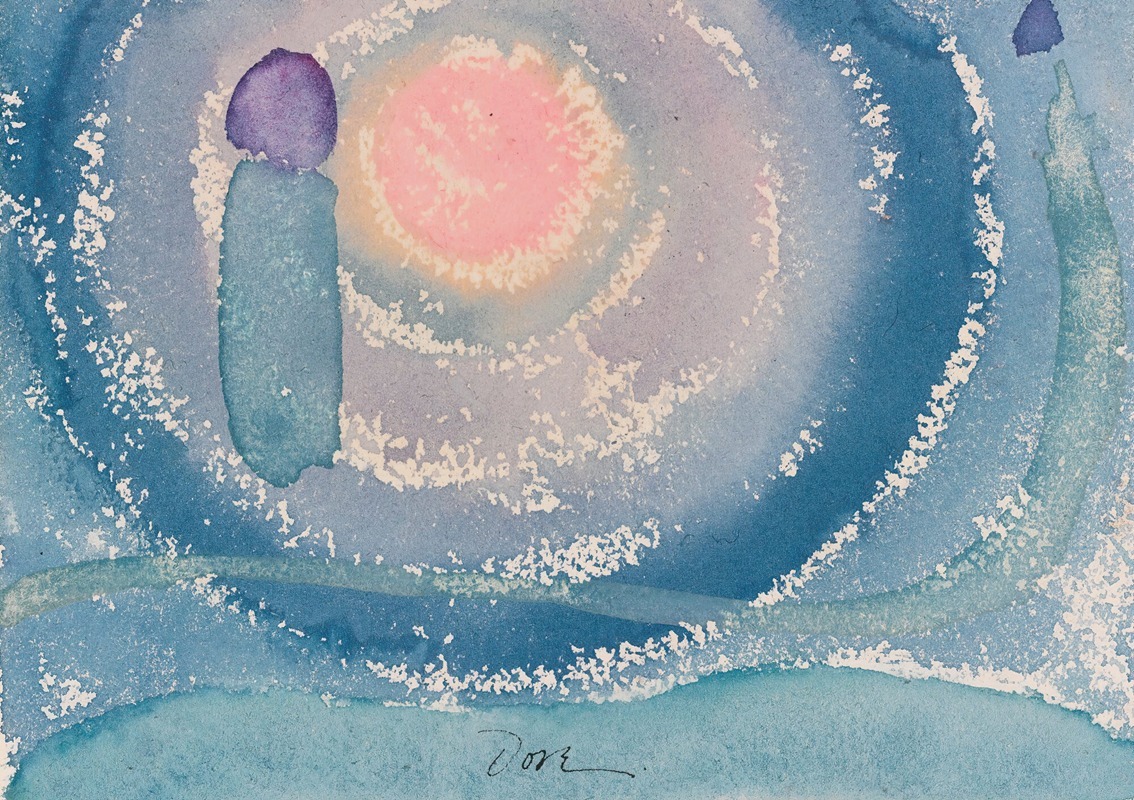
Sunrise I
Arthur Dove
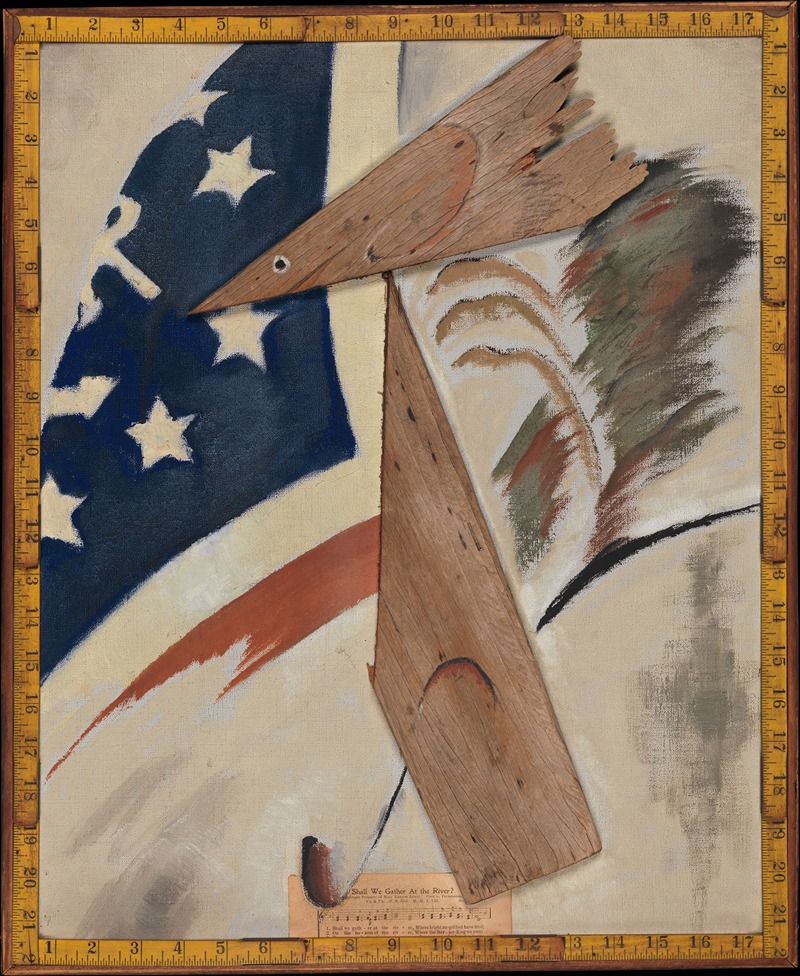
Portrait of Ralph Dusenberry
Arthur Dove
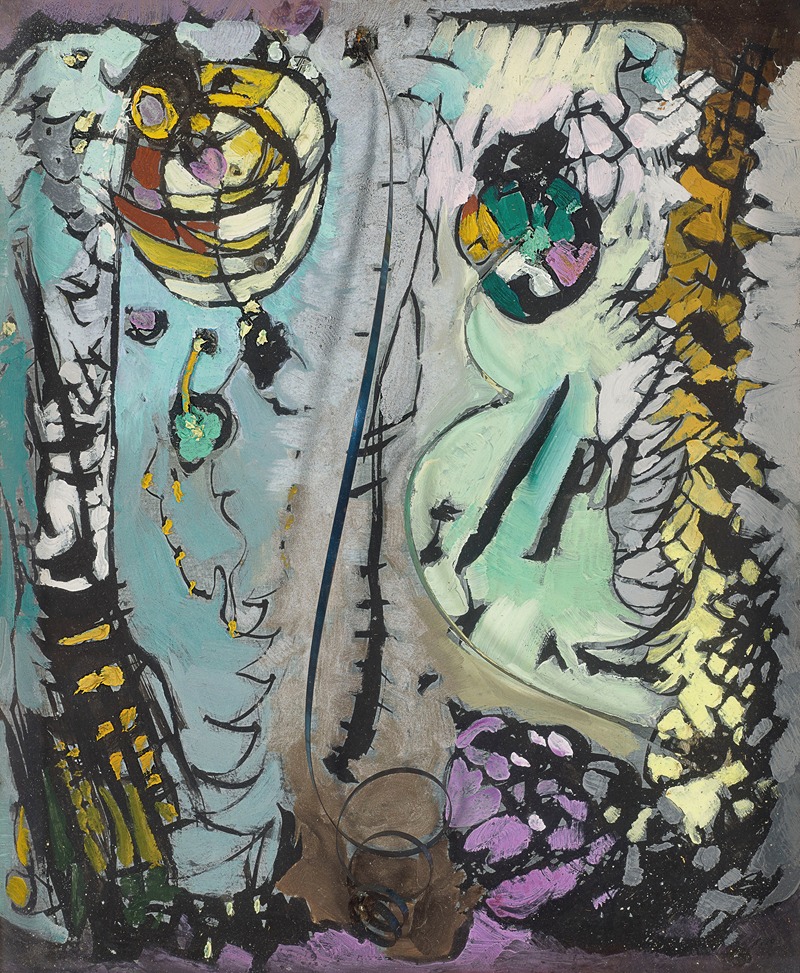
George Gershwin–‘Rhapsody in Blue,’ Part I
Arthur Dove