Fortifications — History & Facts
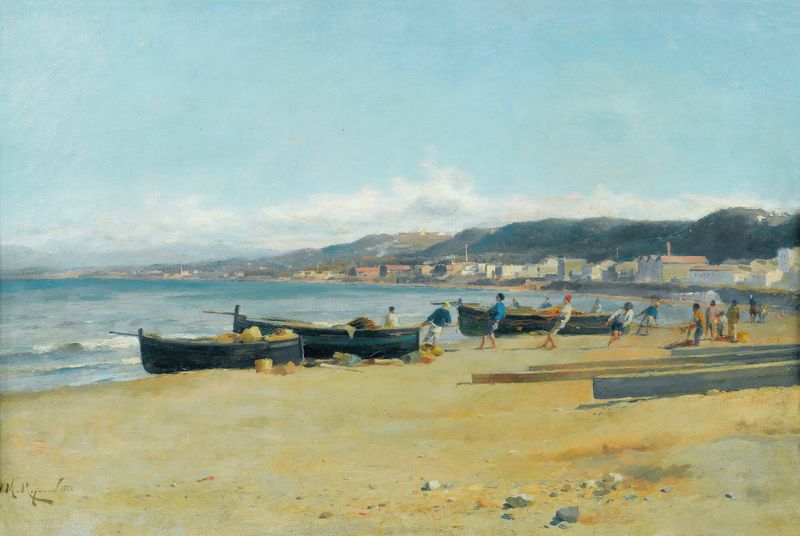
What secret hides in the quiet of the canvas? In Fortifications, a world of longing and remembrance unfolds, inviting us to awaken to the layers concealed within its tranquil facade. Look to the left at the soft, muted colors that suggest the passage of time, as gentle greens and earthy browns blend seamlessly. The subtle brushstrokes create an organic texture, evoking the sensation of weathered stone. Focus on the delicate interplay of light and shadow, illuminating the fortifications that stand resolute yet vulnerable against the backdrop.
Each element is carefully composed, guiding the viewer’s gaze through the artwork's calm yet complex landscape. Beneath the serene surface lies an emotional tension that speaks to the fragility of human constructs. The fortifications, symbols of protection, signify both strength and isolation, hinting at the paradox of safety that can become a prison. Subtle hints of nature encroaching upon the man-made structures echo the inevitable decay and the passage of time, emphasizing a yearning for connection amid solitude.
This juxtaposition invites reflection on what it means to build barriers, both physical and emotional. Marius Reynaud worked on this piece during a time when his exploration of form and space was gaining traction, though the exact date remains uncertain. Active in the late 19th century, Reynaud was part of a movement that sought to evoke emotions through landscapes and architecture. This period in art was marked by a shift towards personal expression, as artists began to explore their inner worlds, paralleling the broader changes in society and culture.