
Four Landscapes — History & Facts
What secret hides in the quiet of the canvas? The stillness of Four Landscapes invites contemplation, urging one to decipher the truths veiled within its serene hues and subtle forms. Each stroke resonates with the promise of discovery, whispering to the observer about the delicate balance between nature and perception. Look to the lower section of the canvas, where muted greens and earthy browns coalesce, grounding the viewer in a tranquil earthiness. The subtle gradations in color and texture hint at the passage of time, suggesting a gradual shift from dawn's gentle embrace to the somber hues of dusk.
Notice how the composition is divided yet unified; each landscape, while distinct, flows seamlessly into the next, echoing the eternal cycle of nature's beauty. Beneath this tranquil surface lies an intricate play of contrasts—the vibrancy of life juxtaposed with the stillness of the moment. The artist deftly engages with light, capturing the ephemeral quality of a fleeting moment while simultaneously inviting the viewer to ponder the deeper truths that lie within the silence. Each landscape emerges as a reflection of the artist's inner thoughts, oscillating between observation and introspection, revealing a dialogue between nature and self. During the years between 1911 and 1924, Crowley was immersed in the evolving art scene of early 20th-century America.
He was grappling with the influences of Symbolism and the burgeoning modernist movement, seeking his own voice amid rapidly changing artistic landscapes. This period, marked by both personal exploration and wider cultural shifts, shaped his vision as he crafted Four Landscapes, a meditative tribute to the interplay of reality and perception.
More Artworks by Herbert Crowley
Browse all →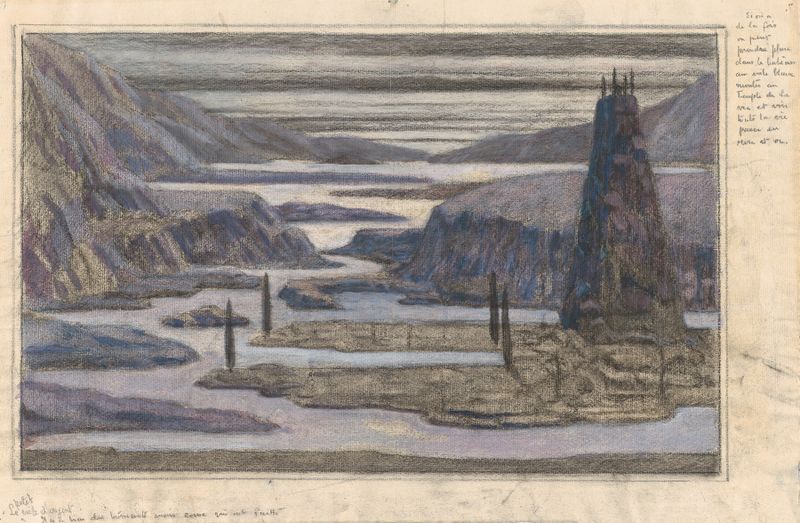
A Landscape
Herbert Crowley
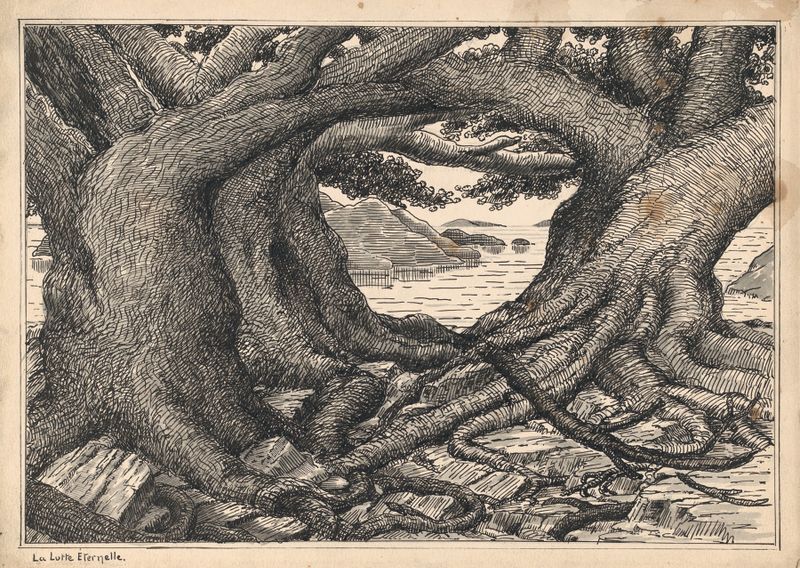
La Lutte Eternelle (The Eternal Struggle)
Herbert Crowley
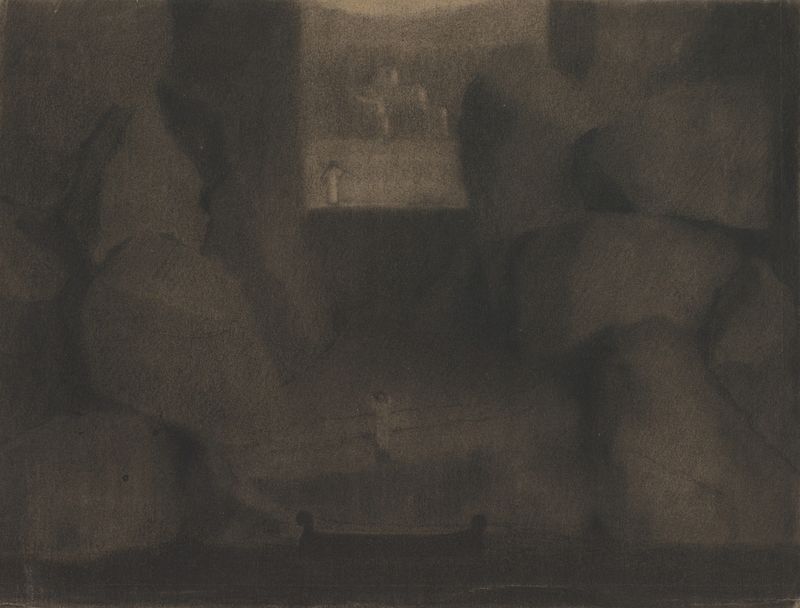
Arrival in a Dark Landscape
Herbert Crowley
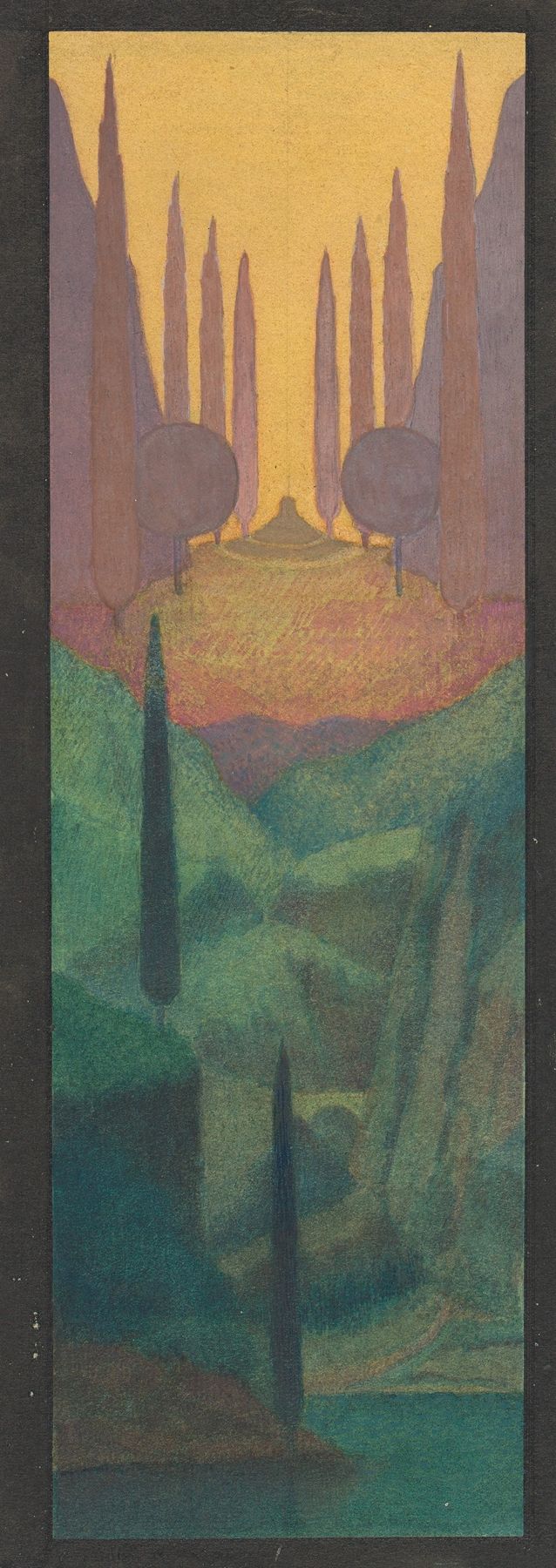
A Monument in a Mountainous Landscape
Herbert Crowley

A River Landscape with Steep Cliffs
Herbert Crowley

A Fantastic Tiered Structure
Herbert Crowley
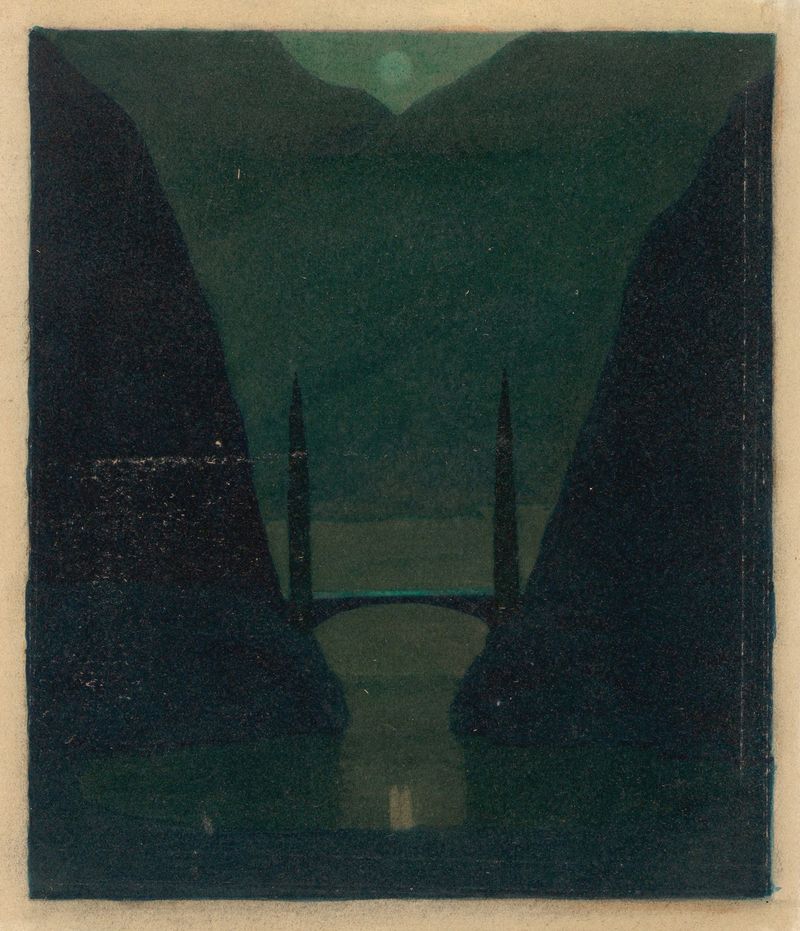
A Bridge in a Mountainous Landscape
Herbert Crowley
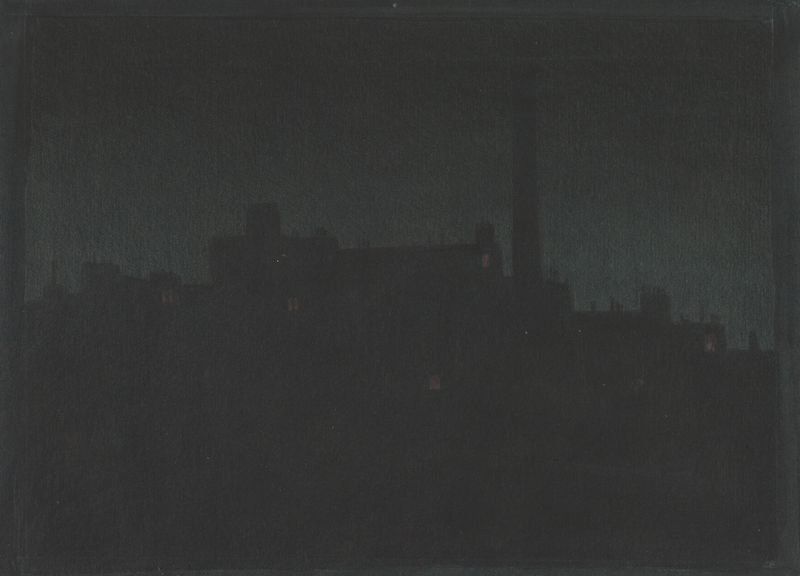
Industrial Buildings At Night
Herbert Crowley

River Landscape with Rapids
Herbert Crowley
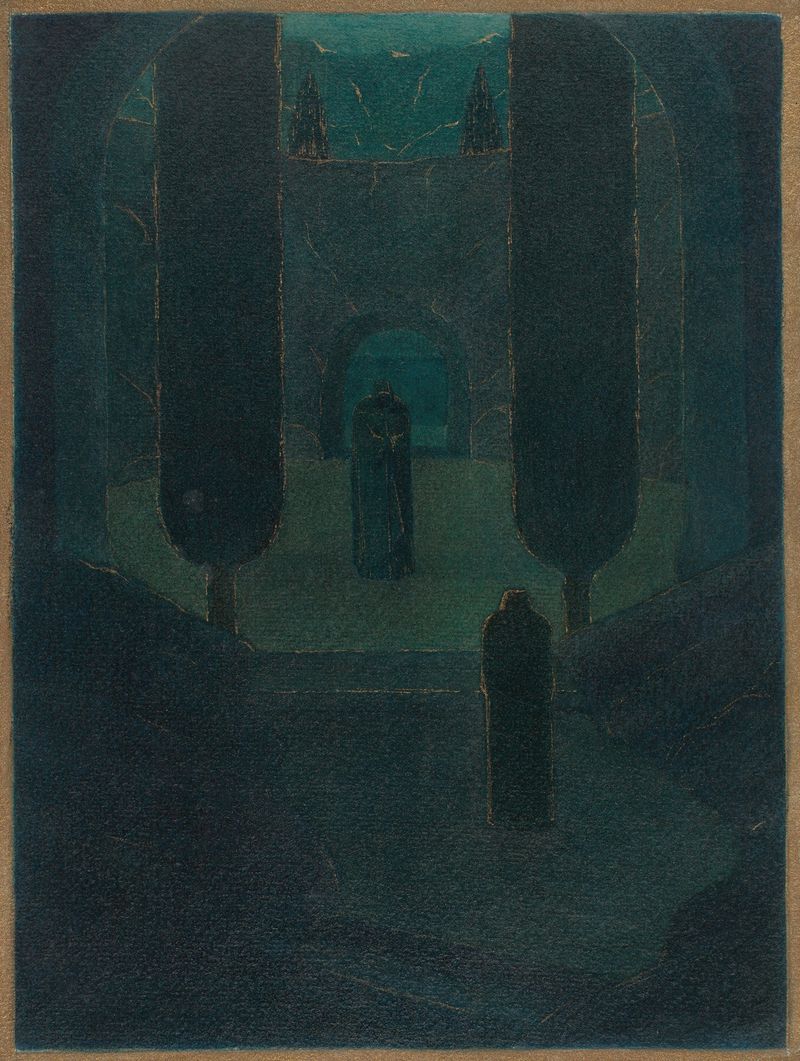
Cloaked Figures in a Dark Garden
Herbert Crowley





