
Fragment of a tankard (schnelle) with the Conversion of Paul — History & Facts
In a moment suspended between chaos and revelation, a fierce light breaks over a dusty road. Saul, cloaked in shadow, tumbles from his steed, blinded not just by the sun but by the weight of his past. Around him, the air hangs thick with tension, as a flicker of divine presence beckons with an unsettling violence that shatters the silence of the moment. Look to the left, where the intense illumination casts bold shadows that dance around the figures.
Notice how the artist has captured the stark contrast between light and dark: the tumultuous browns and greys of the earth clash against the ethereal glow surrounding the exalted figure of Christ. The placement of Saul in the foreground draws immediate attention, his posture reflecting both defeat and transformation, while the onlookers linger in a dim half-light that adds to the emotional weight of the scene. Amidst the drama, the painting speaks of dualities—faith and doubt, action and passivity. The tankard in the foreground serves not only as a vessel but as a symbol of earthly pleasures now abandoned.
The violence of Saul’s fall hints at a struggle within; his conversion is not merely a moment of enlightenment, but an upheaval of identity, marked by both physical and spiritual conflict. The muted expressions of the onlookers amplify the tension, caught between witnessing violence and the dawning of faith. Created in the mid-16th century, this piece emerges from a time when the Reformation was reshaping the Christian landscape across Europe. The artist, whose identity remains elusive, likely painted this during a period of personal reflection and socio-religious upheaval.
The themes of transformation and spiritual awakening resonate with the pervasive sentiments of uncertainty and rebirth that characterized this influential era in art history.
More Artworks by Unknown Artist
Browse all →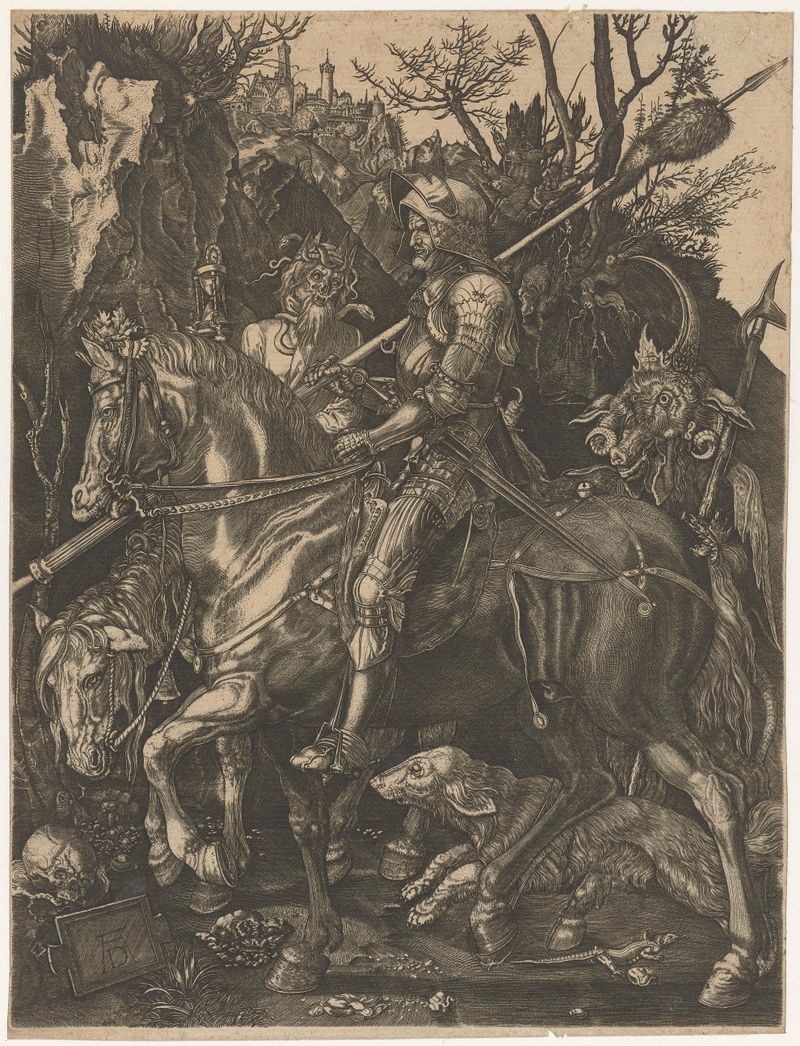
Ridder, Dood en Duivel
Unknown Artist
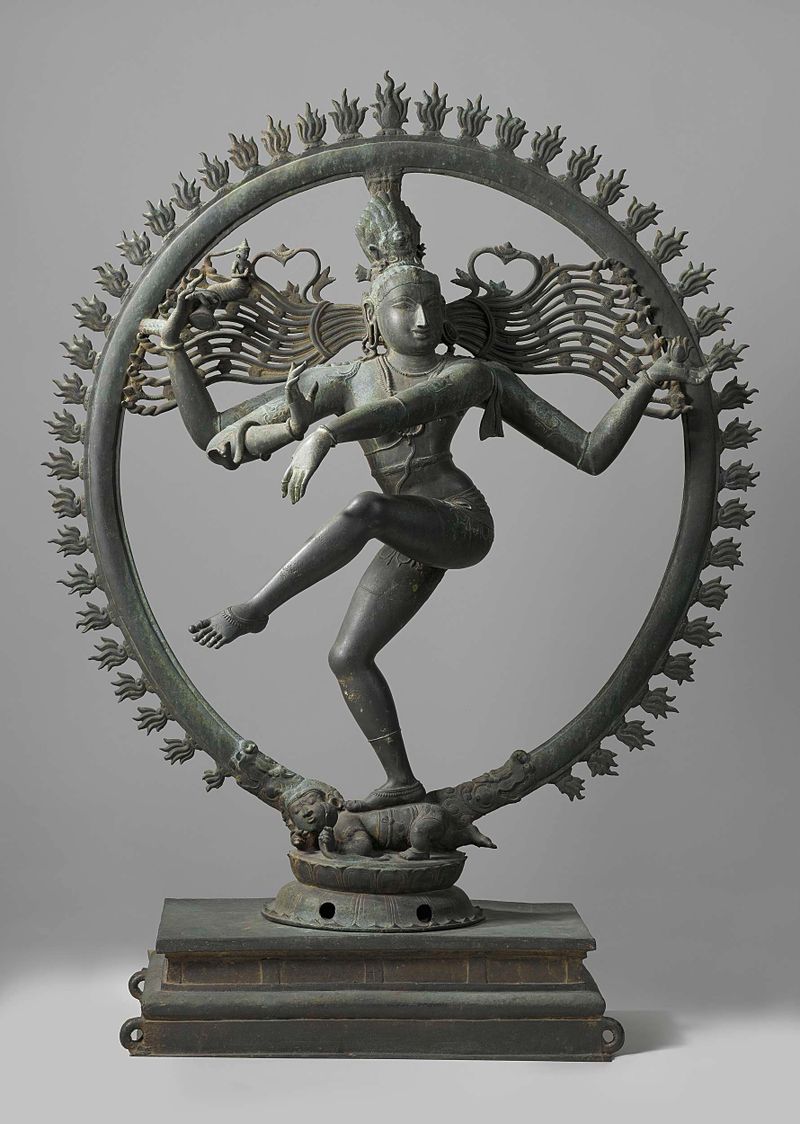
Shiva Nataraja
Unknown Artist
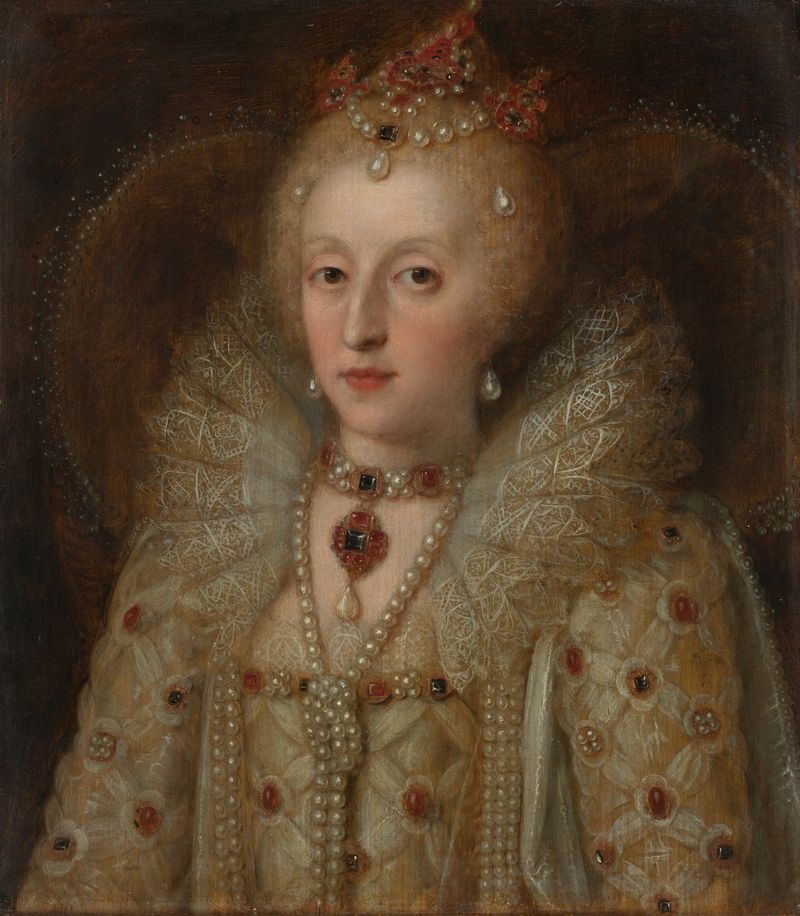
Portrait of Elizabeth I, Queen of England
Unknown Artist
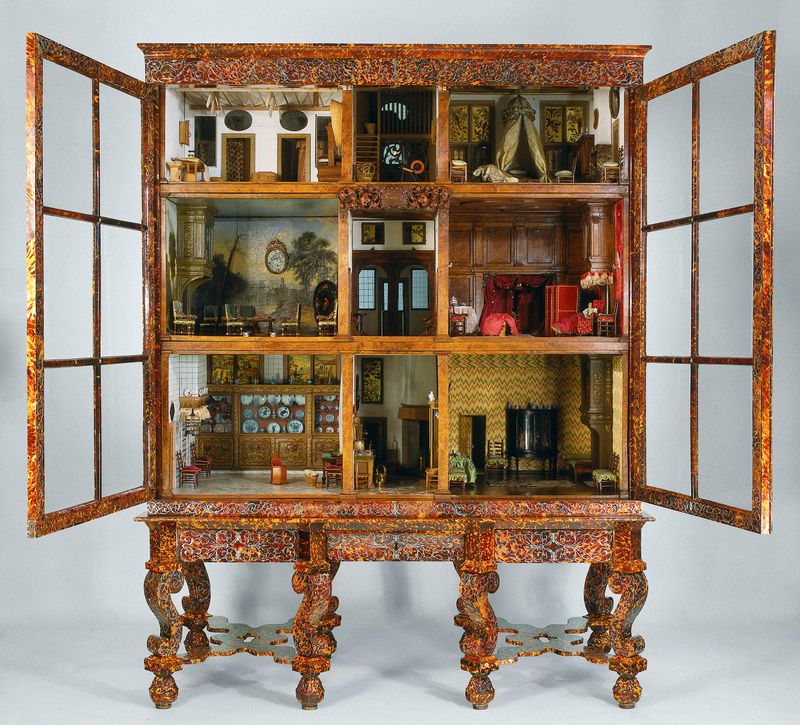
Dolls’ house of Petronella Oortman
Unknown Artist
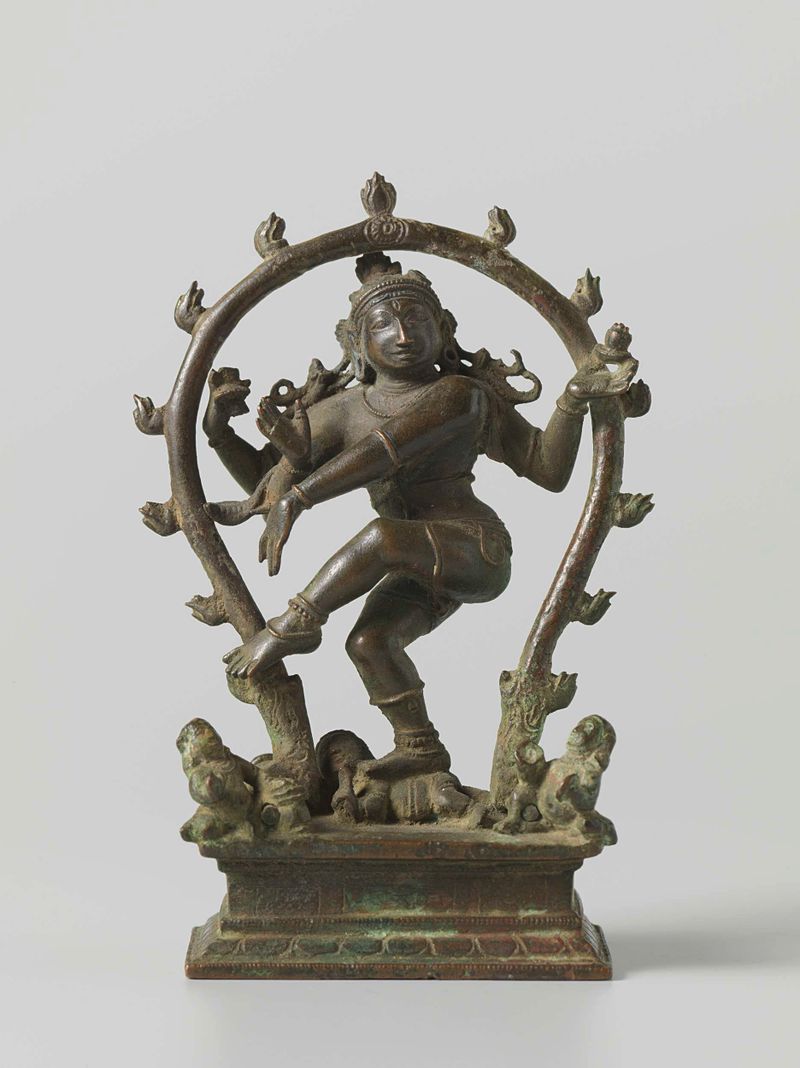
Shiva Nataraja
Unknown Artist

The Tale of Genji
Unknown Artist

The Tale of Genji
Unknown Artist
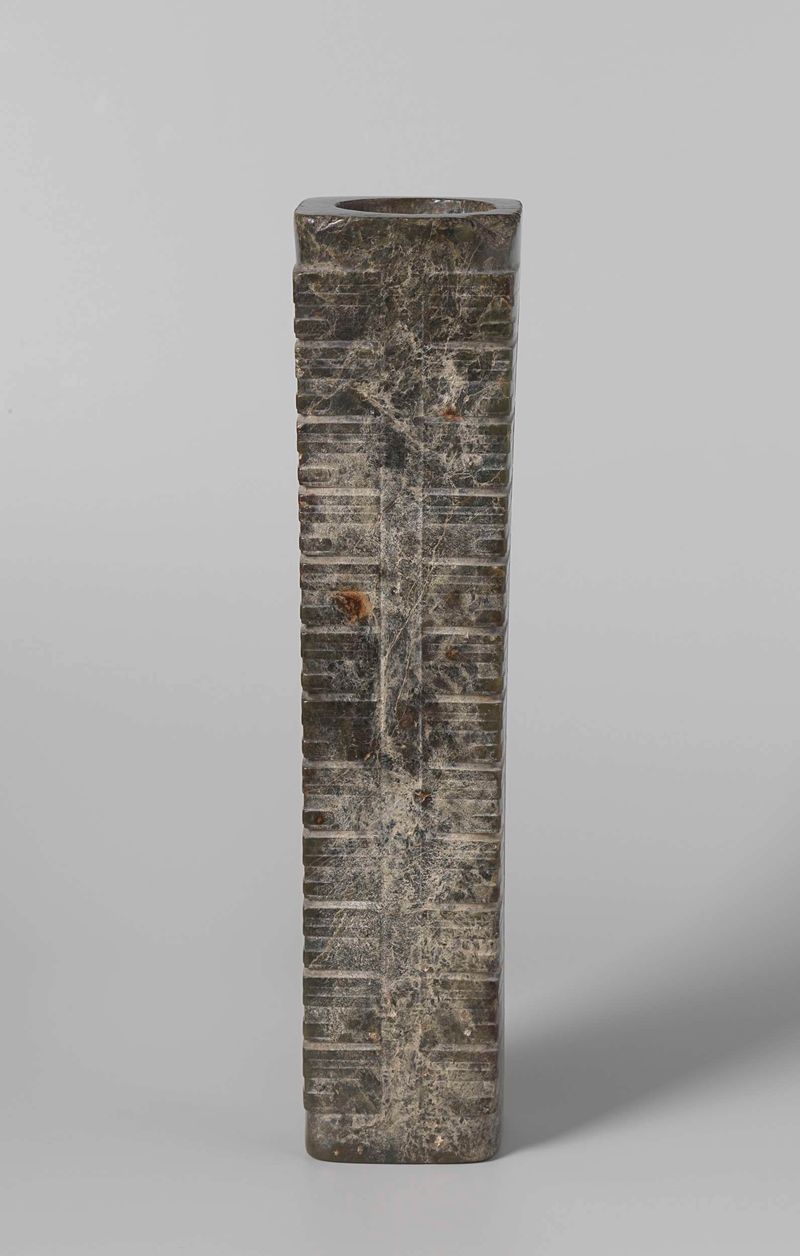
Cong
Unknown Artist
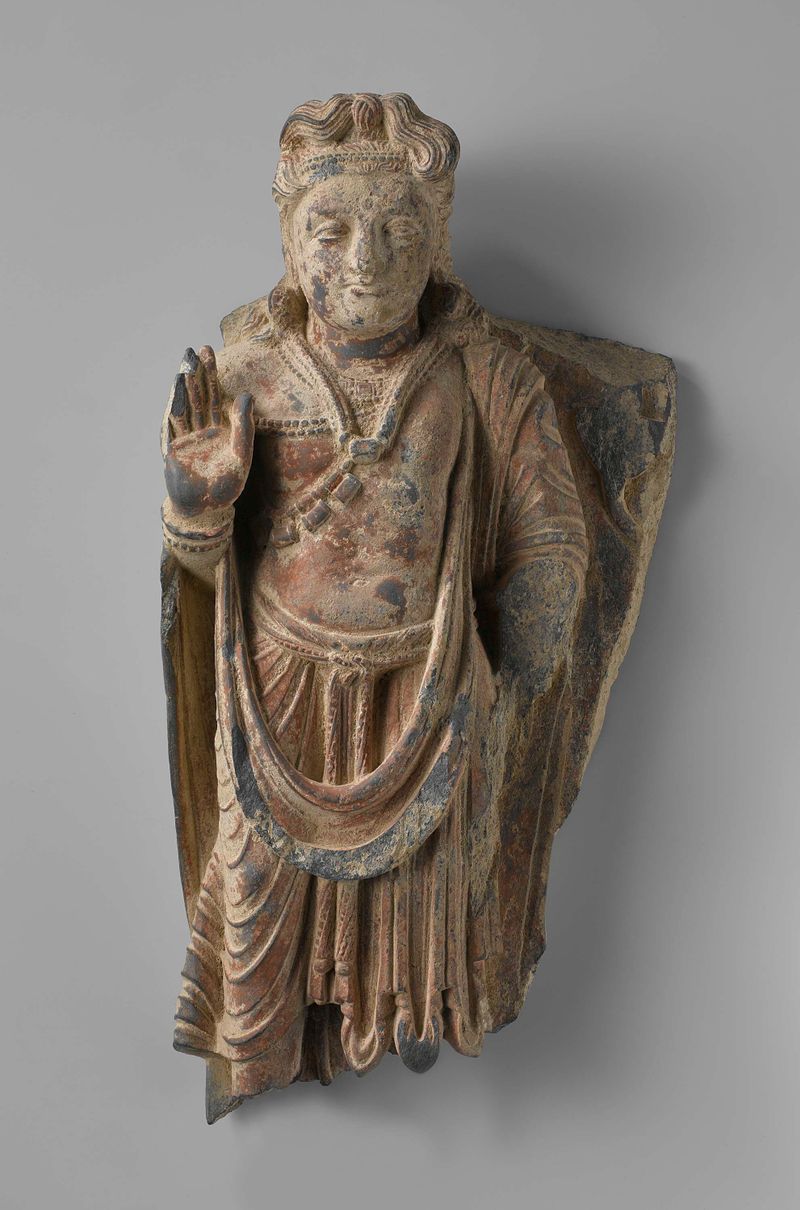
The bodhisattva Maitreya
Unknown Artist
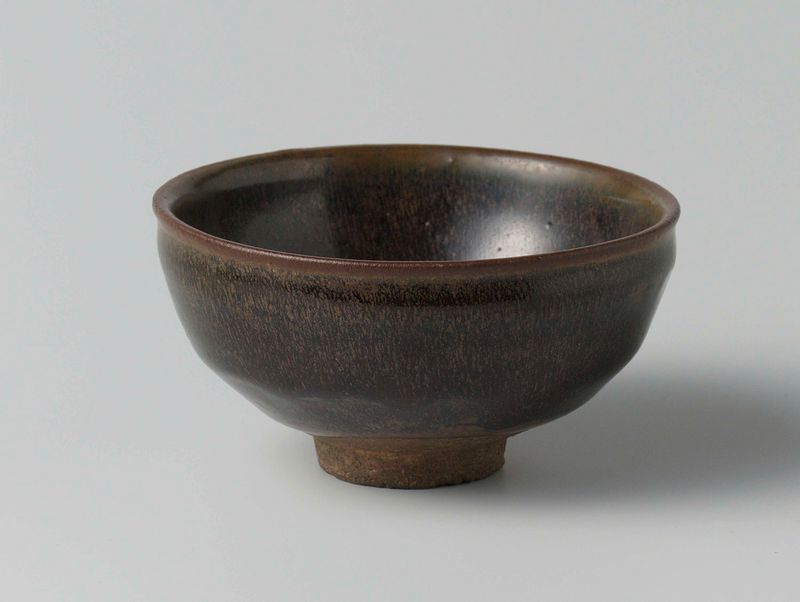
Teabowl with a 'hare's fur' glaze
Unknown Artist
More Religious Art
Browse all →
The Return of the Prodigal Son
Rembrandt van Rijn

The Garden of Earthly Delights
El Bosco

Count Orgaz’ funeral
El Greco

The Hundred Guilder Print: the central piece with Christ preaching, the plate arched
Rembrandt van Rijn

The Descent from the Cross
Rogier van der Weyden

The return of the prodigal son
Rembrandt van Rijn