Fragment textiel — History & Facts
This notion resonates deeply within the intricate weavings of time, capturing the essence of life’s most profound truths hidden in fabric. Focus on the delicate interplay of color and texture that greets you first. The soft hues and layered patterns draw your gaze to the center, where intricate designs pulse with life, swirling in a dance of color that invites exploration. Notice how the faint patterns interlace, revealing a history that suggests both fragility and resilience.
Each thread tells a story, beckoning you to examine the juxtaposition between chaos and harmony. As you delve deeper, consider the contrasts present in the artwork: the roughness of the weave against the softness of its colors, the tension between the visible and the obscured. This complexity may illustrate the truth of human experience, where beauty often emerges from turmoil, and simplicity conceals deeper meanings. The viewer is left to ponder whether the visible structure is merely a fragile façade, hinting at the chaos that lies beneath. Created between 1801 and 1804, this fragment displays the craftsmanship of an unknown artist during a time rich with social and artistic upheaval in Europe.
The era was marked by the aftermath of the Industrial Revolution, which reshaped traditional artisan practices. The revival of textile arts amidst this change symbolizes both a tribute to heritage and a response to modernity, embodying the ongoing dialogue between the past and the future in the world of art.
More Artworks by Unknown Artist
Browse all →
Ridder, Dood en Duivel
Unknown Artist
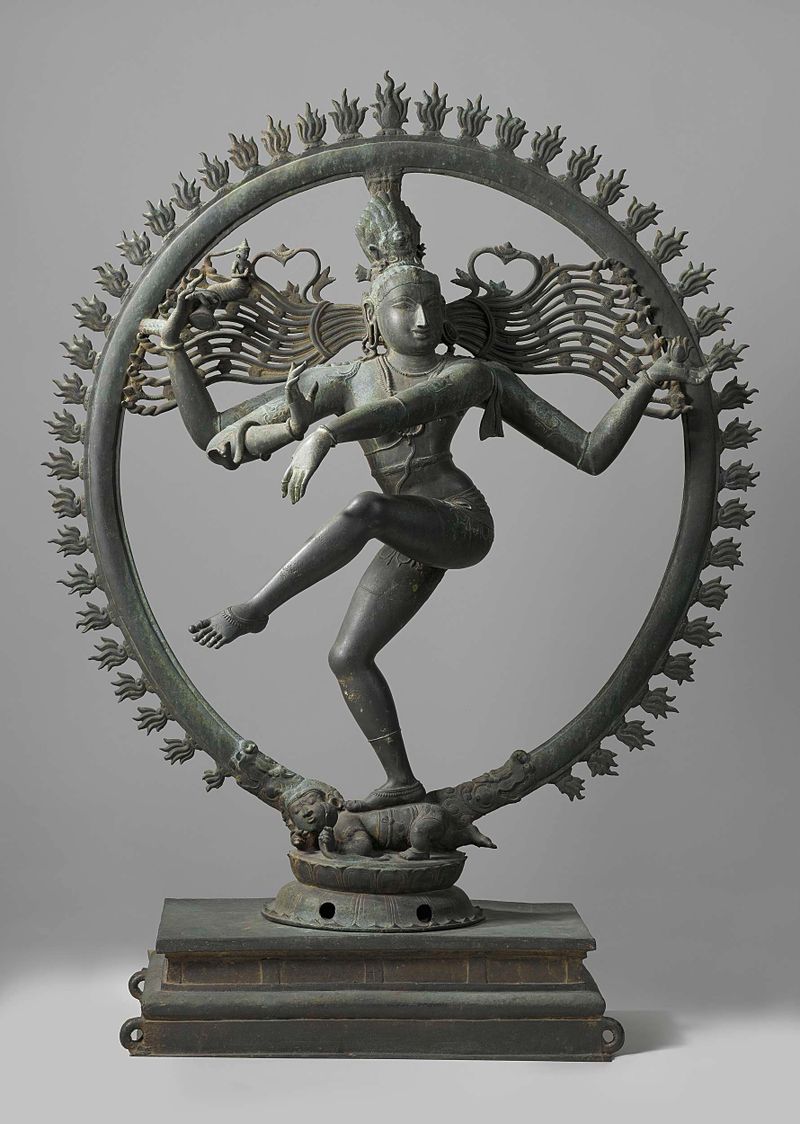
Shiva Nataraja
Unknown Artist
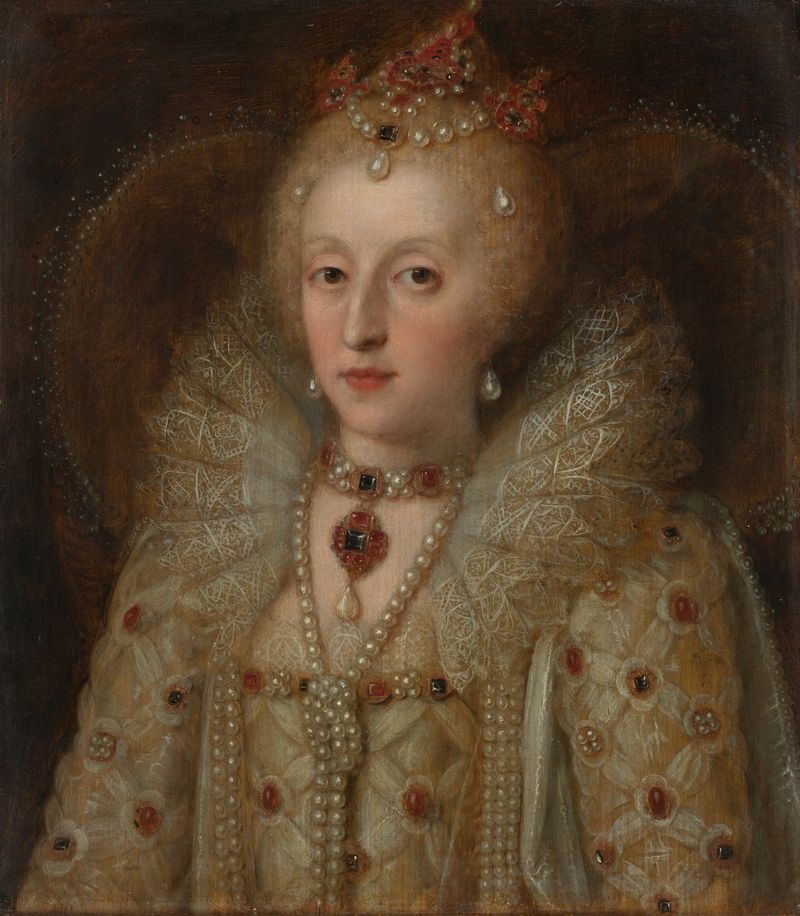
Portrait of Elizabeth I, Queen of England
Unknown Artist
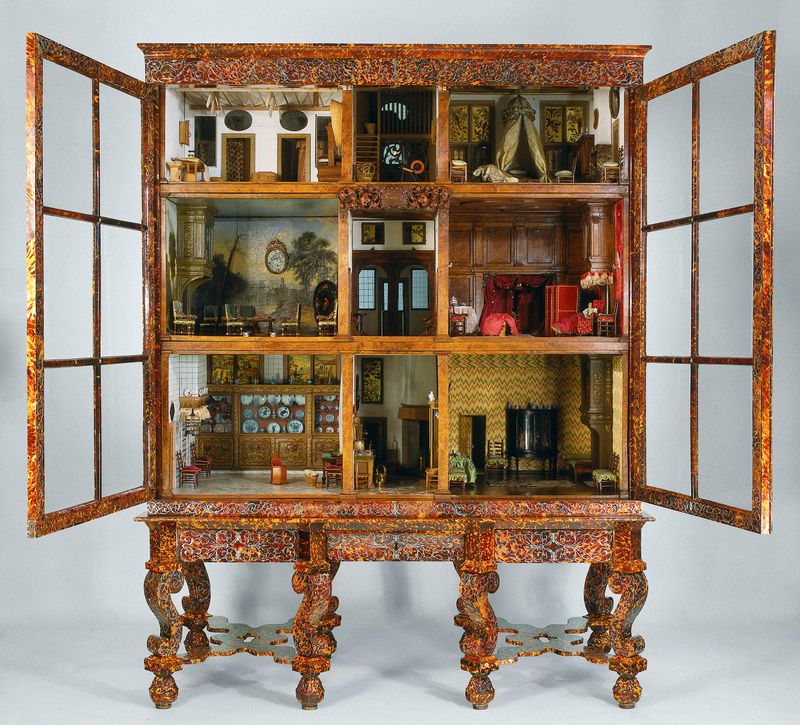
Dolls’ house of Petronella Oortman
Unknown Artist
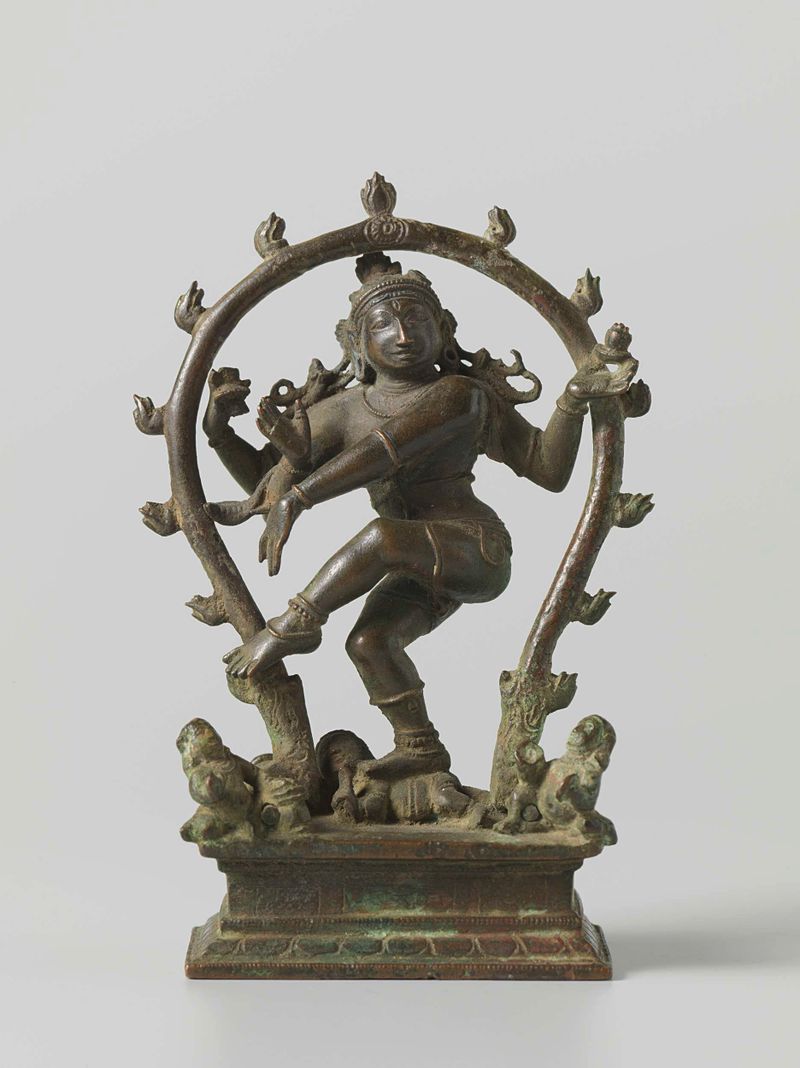
Shiva Nataraja
Unknown Artist

The Tale of Genji
Unknown Artist

The Tale of Genji
Unknown Artist

Cong
Unknown Artist
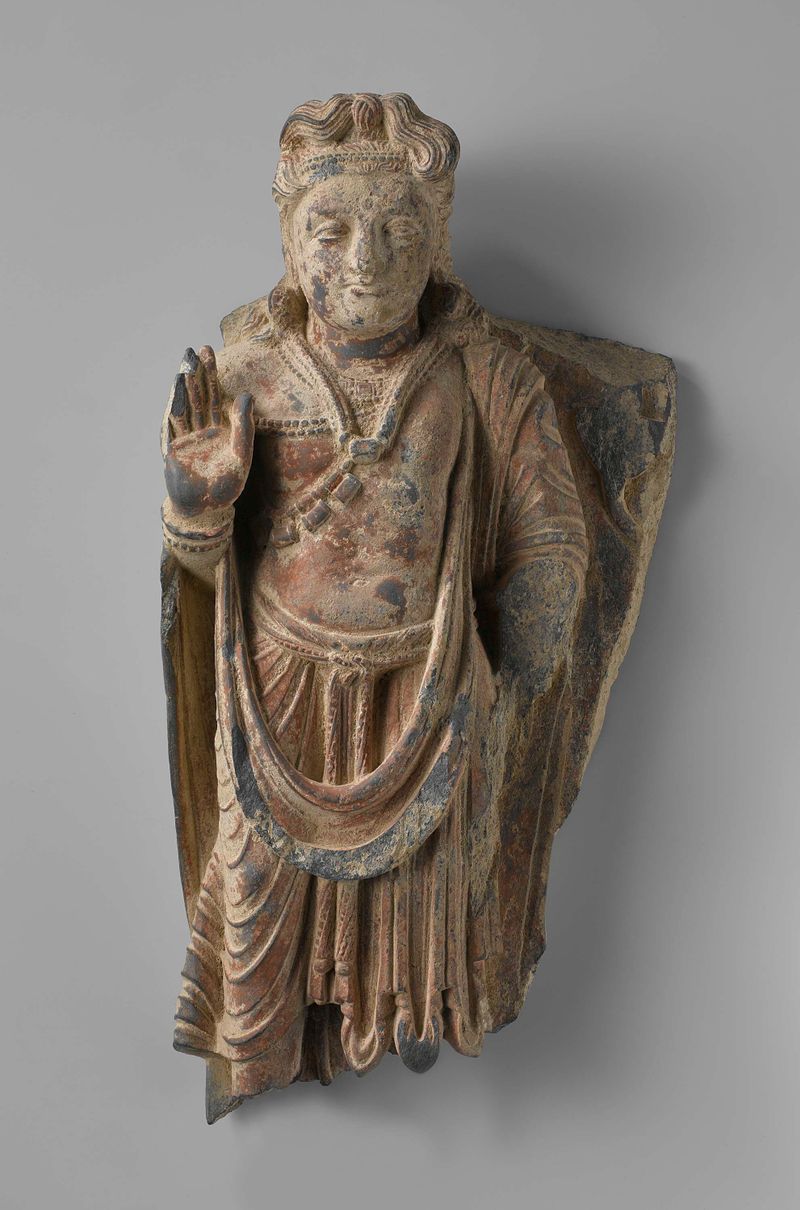
The bodhisattva Maitreya
Unknown Artist

Teabowl with a 'hare's fur' glaze
Unknown Artist