Fragmenten bord uit V.O.C.-schip de 'Witte Leeuw' — History & Facts
When did color learn to lie? The delicate shards of this fragmentary dish whisper secrets from a bygone era, a tantalizing glimpse into the interplay between art and illusion. Look closely at the intricate patterns etched into the ceramic surface, remnants of a vibrant history. Sharp blues and rich greens dance across the dish, drawing your eye to the enchanting details. Notice how the light catches the glossy glaze, transforming the once-functional object into a mere memory of opulence lost to time.
The colors, so vivid, create depth and texture, blurring the lines between reality and artifice. Beneath its surface, this fragment reveals a tension between purpose and beauty. The chipped edge hints at its storied past, a connection to the maritime journeys of the Dutch East India Company. Each motif tells a story of trade and cultural exchange, while its physical damage speaks to mortality and the fragility of human creations.
This duality encapsulates the essence of illusion, where beauty can mask a more profound narrative of loss and history. Created before 1613, this piece likely originated on a ship of the Witte Leeuw, reflecting a time when European powers were expanding their reaches across the globe. The artist remains unknown, yet their craft echoes the flourishing Dutch ceramic tradition of the period, driven by a burgeoning interest in exotic wares. This artwork stands as a testament to a moment when the world was awakening to new possibilities, both in commerce and in the arts.
More Artworks by Unknown Artist
Browse all →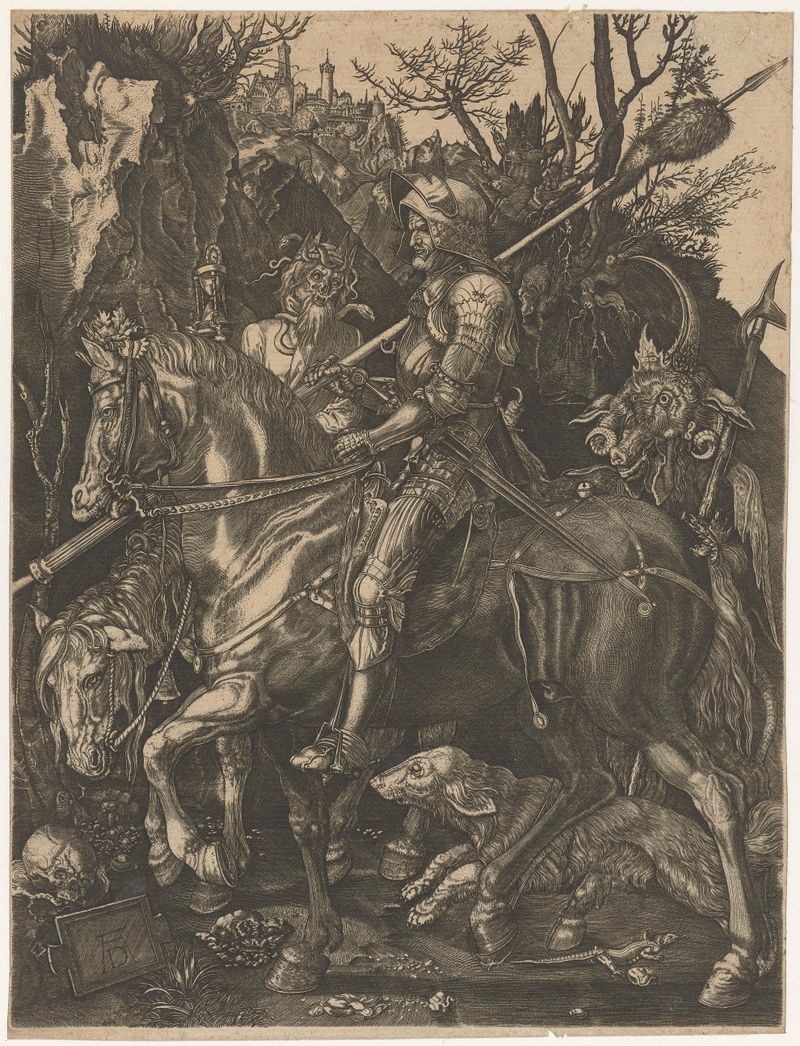
Ridder, Dood en Duivel
Unknown Artist
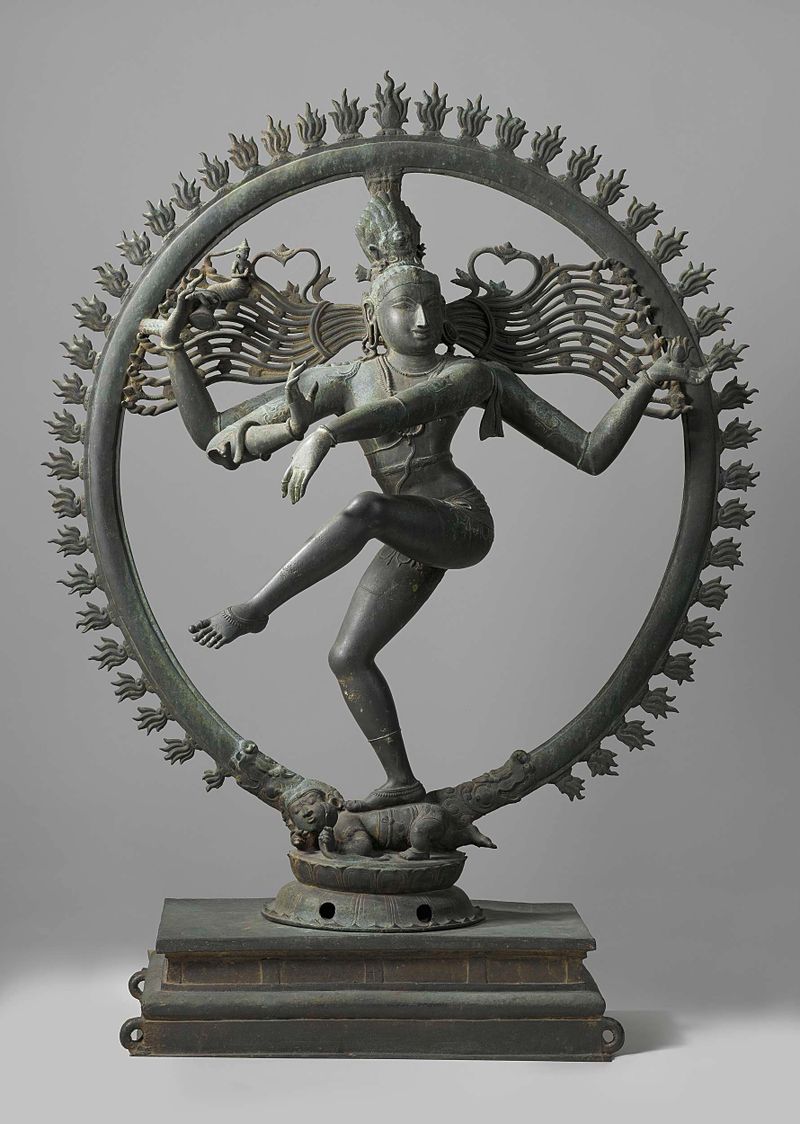
Shiva Nataraja
Unknown Artist
Portrait of Elizabeth I, Queen of England
Unknown Artist
Dolls’ house of Petronella Oortman
Unknown Artist
Shiva Nataraja
Unknown Artist

The Tale of Genji
Unknown Artist

The Tale of Genji
Unknown Artist
Cong
Unknown Artist
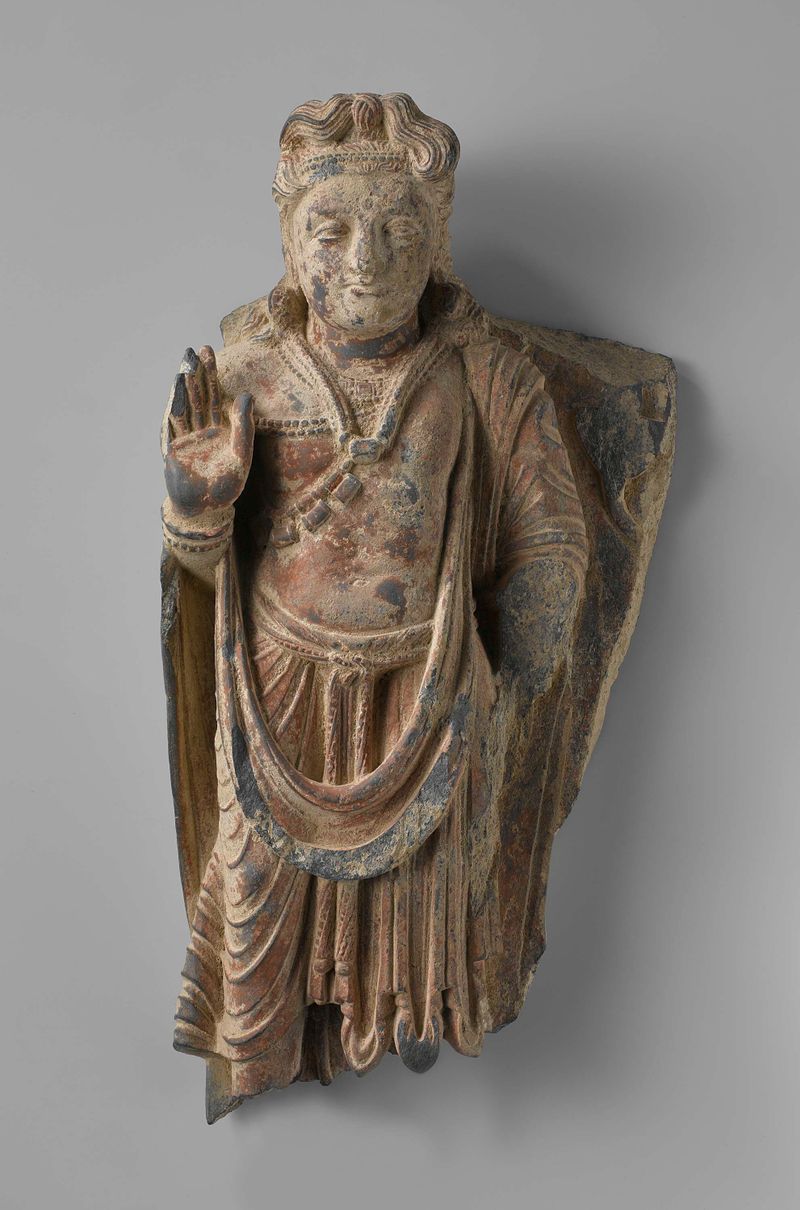
The bodhisattva Maitreya
Unknown Artist
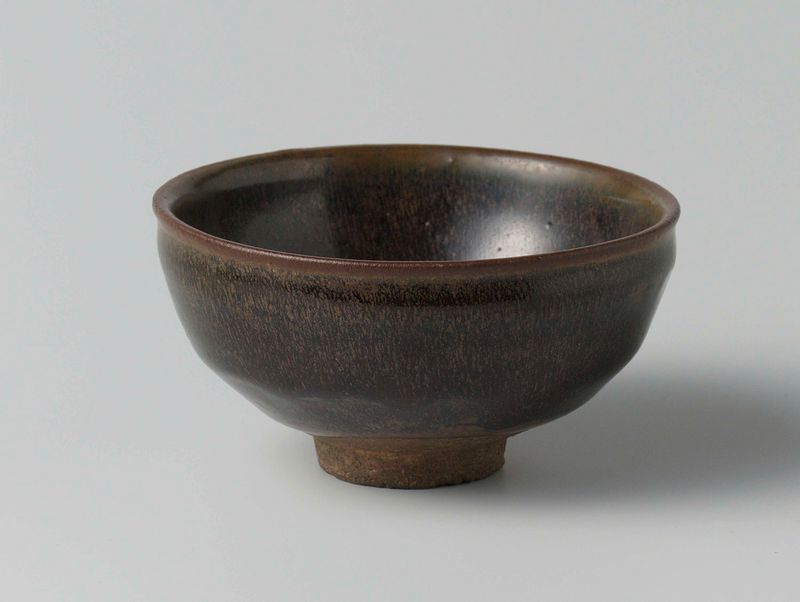
Teabowl with a 'hare's fur' glaze
Unknown Artist