
Francis Calley Gray (1790-1856) — History & Facts
What if beauty was never meant to be finished? In the midst of a tumultuous era, the unrefined strokes of the canvas whisper of revolution, inviting contemplation of that which is eternally in progress. Direct your gaze to the alluring figure at the center, whose poised expression seems to dance between serenity and resolve. Notice how the subtle play of light illuminates the contours of the face, drawing attention to the delicate highlights against soft, muted tones. The background remains intentionally vague, allowing the viewer to focus solely on the subject and evoking a sense of introspection about identity amidst the chaos of society. Amidst the realistic portrayal lies a deeper narrative—this is not just a portrait but a reflection of the struggles for freedom and self-definition.
The figure’s clothing, richly textured yet unadorned, contrasts the richness of the life represented by the subject with the stark simplicity of the background. This juxtaposition mirrors the tension between the pursuit of beauty and the raw elements of revolution that defined the period. Each brushstroke seems to suggest that true beauty might lie not in completion, but in the ongoing quest for meaning. Francis Alexander painted this portrait during a time of significant change in America, between 1836 and 1840, when ideas of individualism and personal expression were gaining traction.
Influenced by the Romantic movement and the rising tide of social reform, the artist sought to encapsulate the spirit of his age—one marked by both the promise of democracy and the struggles that accompanied it. In this context, the work becomes a testament to the complexities of its time, capturing the beauty found in the unfinished journey of self-discovery and cultural awakening.
More Artworks by Francis Alexander
Browse all →
Ralph Wheelock’s Farm
Francis Alexander
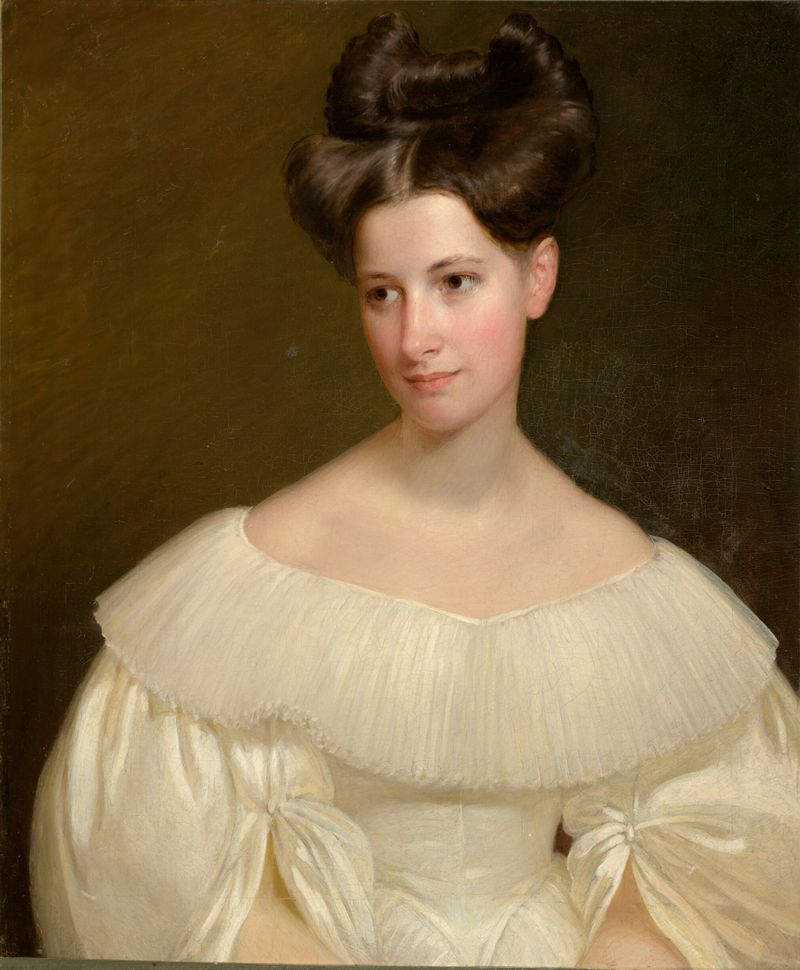
Mary Crowninshield Silsbee Sparks (Mrs. Jared Sparks) (1809-1887)
Francis Alexander
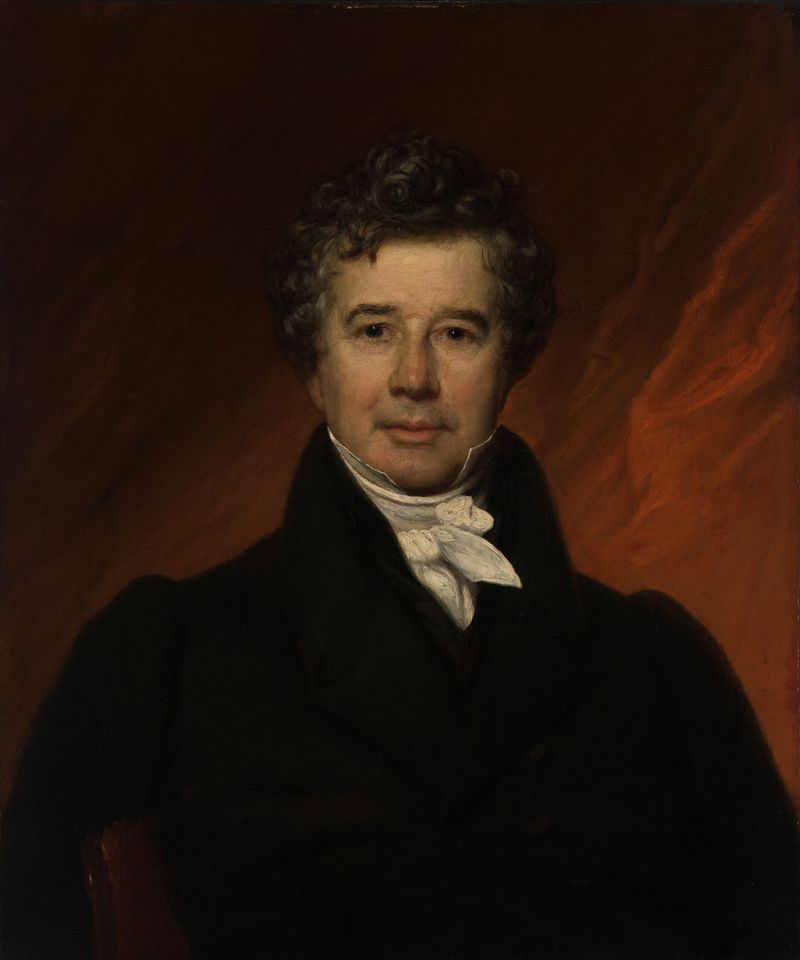
(Asa) Samuel Hammond
Francis Alexander
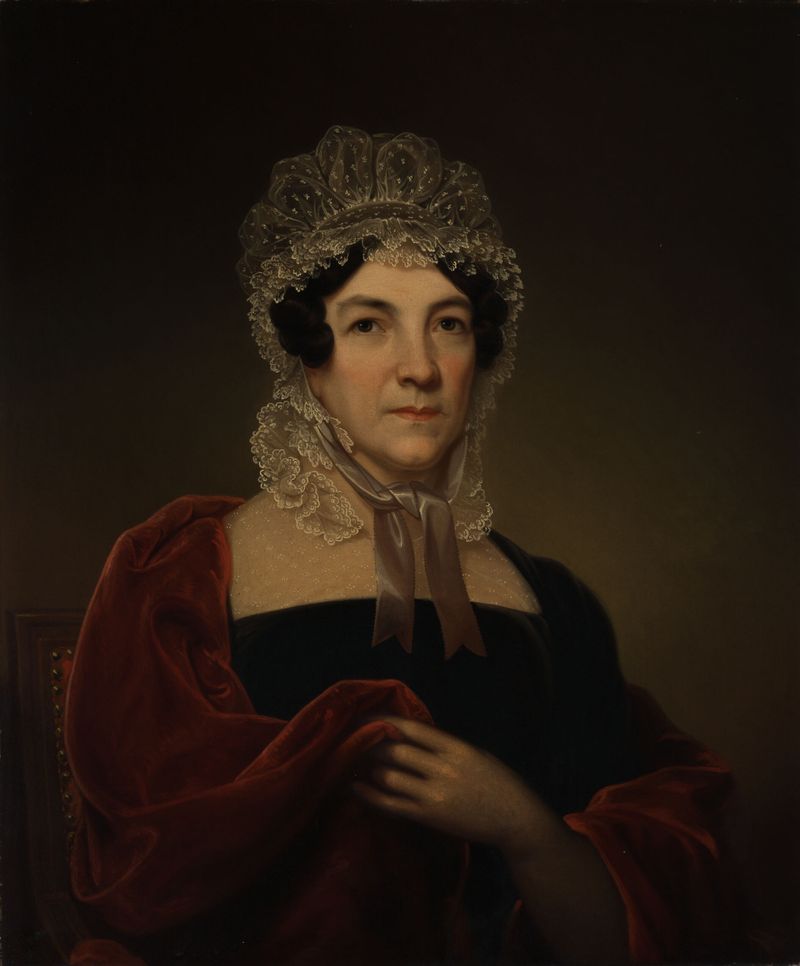
Mrs. (Asa) Samuel Hammond (Sarah Dawes Hammond)
Francis Alexander
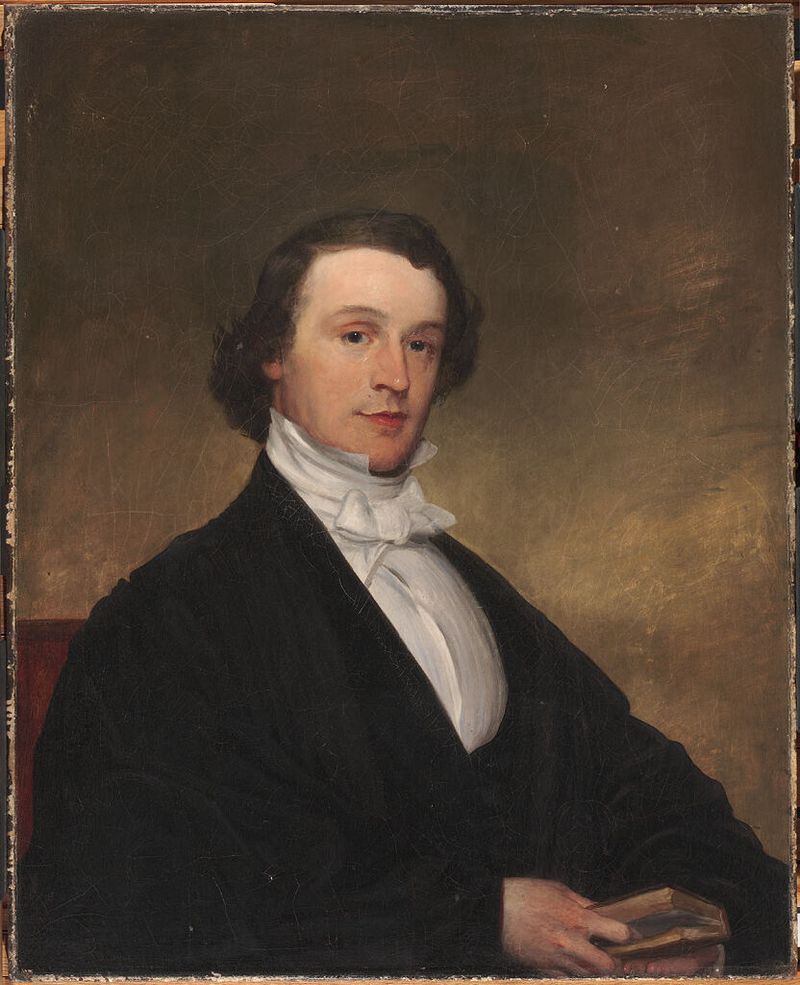
George Edward Ellis (1814-1894)
Francis Alexander
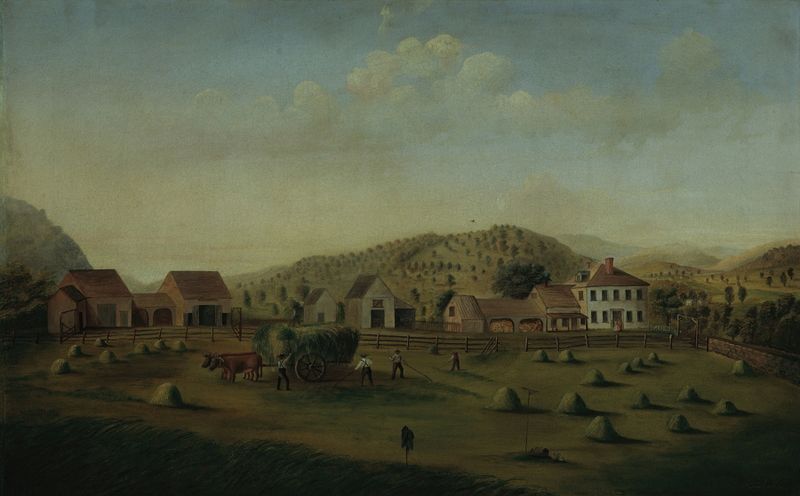
Leete Farm, West Claremont, New Hampshire
Francis Alexander
More Portrait Art
Browse all →
Las meninas
Diego Velázquez

Self-portrait with a Bandaged Ear and Pipe
Unidentified artist

Girl with a Pearl Earring
Johannes Vermeer

The Sampling Officials of the Amsterdam Drapers’ Guild, Known as ‘The Syndics’
Rembrandt van Rijn

The Hundred Guilder Print: the man seen on the back in the lower left corner
Rembrandt van Rijn

Portrait of Dr Gachet
Vincent van Gogh