
Leete Farm, West Claremont, New Hampshire — History & Facts
In this striking piece, the essence of loss permeates through the stillness captured on canvas, inviting an intimate reflection on the passage of time. Focus on the soft hues that blend together in harmonious tranquility. The foreground reveals a serene farmhouse, its silhouette embraced by a lush landscape. Notice how the dappled light glimmers through the trees, casting delicate shadows that dance across the ground.
This interplay of light and color breathes life into the scene, while the muted palette evokes a sense of nostalgia, hinting at memories that linger just beyond reach. Delve deeper into the imagery, and you’ll discover subtle contrasts that speak to the fragility of existence. The vibrant green just outside the farmhouse signifies life and growth, while the fading light hints at the inevitable twilight of memory. Observe the gentle curve of the pathway leading away from the house, suggesting journeys taken and relationships left behind.
Here, the artist encapsulates the bittersweet tension between the comfort of home and the sorrow of what has been lost. Created in 1822, this piece emerged during a time of change for Francis Alexander, who was transitioning into a prominent portrait artist. Living in New England, he tapped into the intimate landscapes surrounding him, reflecting a burgeoning interest in capturing the essence of American life. This work stands as a testament to his ability to evoke deep emotions through serene depictions of rural landscapes, as the country was beginning to embrace its own identity.
More Artworks by Francis Alexander
Browse all →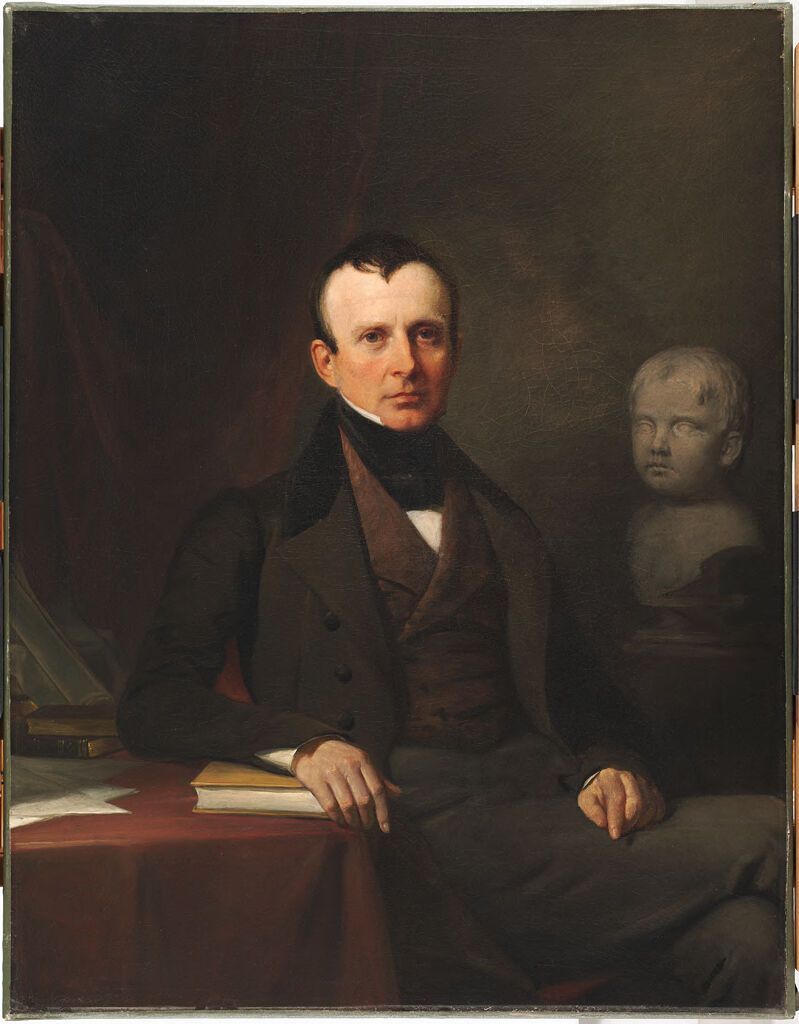
Francis Calley Gray (1790-1856)
Francis Alexander
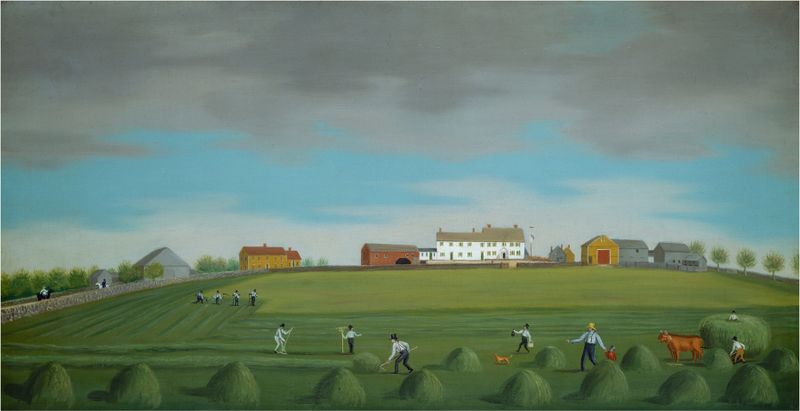
Ralph Wheelock’s Farm
Francis Alexander
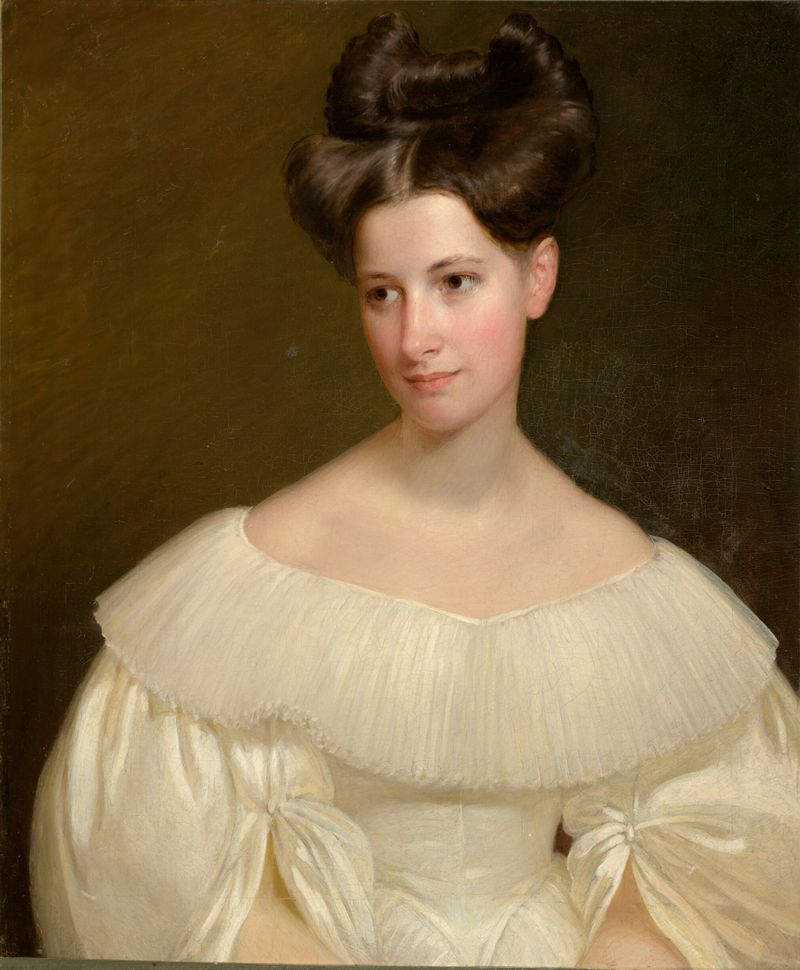
Mary Crowninshield Silsbee Sparks (Mrs. Jared Sparks) (1809-1887)
Francis Alexander
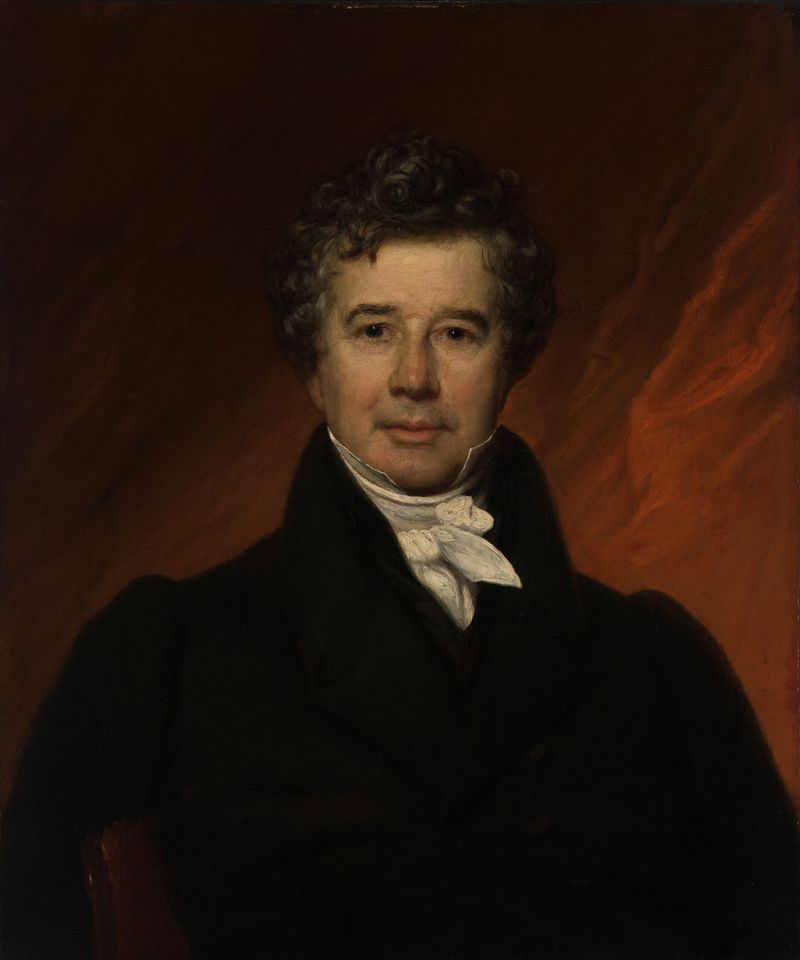
(Asa) Samuel Hammond
Francis Alexander
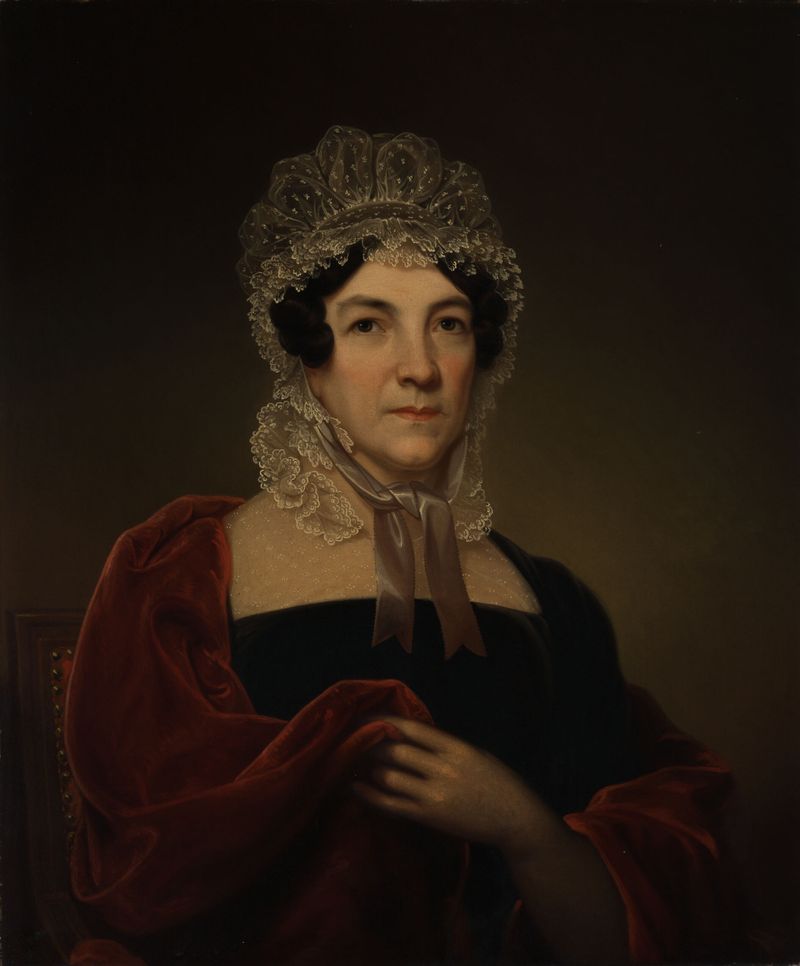
Mrs. (Asa) Samuel Hammond (Sarah Dawes Hammond)
Francis Alexander
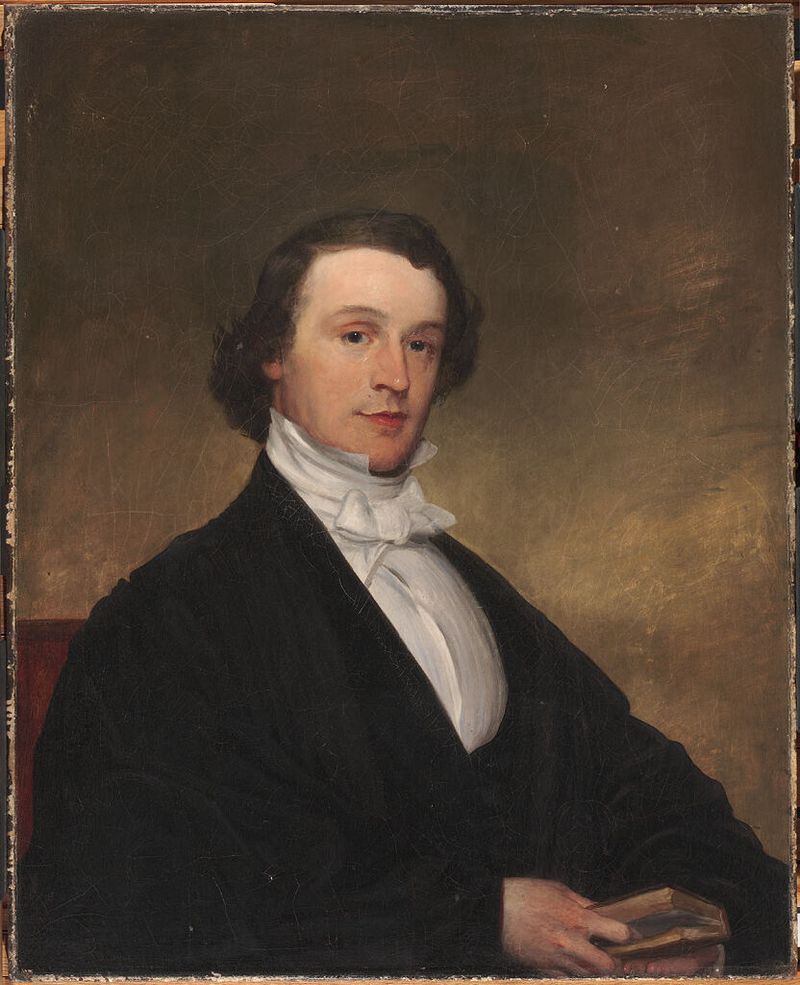
George Edward Ellis (1814-1894)
Francis Alexander





