Francis Hardon Burr (1890-1914) — History & Facts
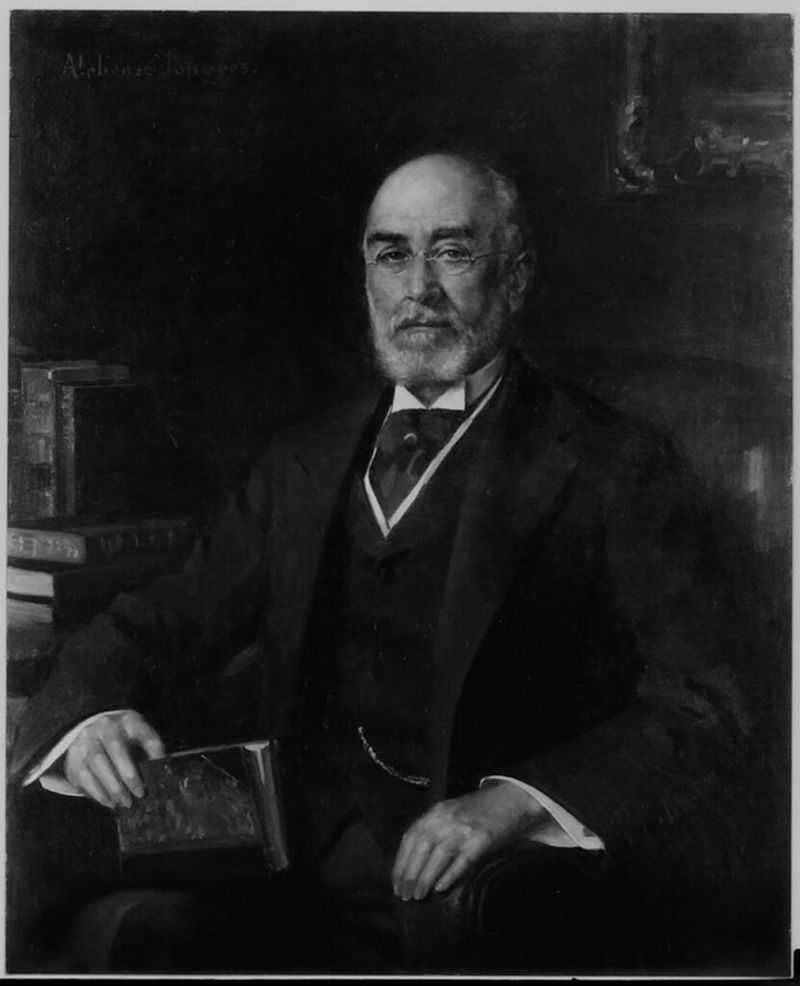
What if silence could speak through light? In the realm of memory, moments reverberate, captured forever in the glow of a canvas, whispering tales of nostalgia. Look closely at the center of the painting, where the warm ochres and muted greens converge, inviting you into a world suspended in time. The gentle play of light dances across the figure, highlighting the delicate features that embody a poignant sense of longing. Notice how the soft strokes of the brush create a harmonious blend of background and subject, allowing the viewer's eye to glide effortlessly from the shimmering highlights to the shaded depths, drawing out the emotion embedded in each hue. Deeper still, a tension lingers between presence and absence; the subject's gaze seems to reach beyond the confines of the frame, hinting at stories untold.
The subtle contrast between the vibrant foreground and the shadowy edges evokes a yearning for connection, as if the viewer is peering into a forgotten moment. Each stroke and shadow invites introspection, prompting us to ponder the transient nature of life and memory, and what it means to lose and yearn for something just beyond our grasp. Created around 1914 in a period marked by uncertainty, Francis Hardon Burr emerged while Alphonse Jongers navigated the turbulent waters of early 20th-century art. During this time, the world was grappling with the onset of war, which influenced artists to explore themes of identity and memory.
Jongers, reflecting on personal and collective histories, used his unique style to communicate a profound sense of nostalgia, making this piece a poignant reflection of both his life and the era's complexities.