
Francis Parkman (1788-1852) — History & Facts
This sentiment reflects the silent void that lingers in the spaces between our memories and the tangible world. In Francis Parkman, the deep blues and earthy tones evoke a sense of introspection, inviting us to ponder the essence of the man and the weight of his historical significance. Focus first on the figure of Parkman himself, who occupies the center of the canvas, his posture conveying both confidence and contemplation. The light bathes his face, illuminating the furrowed brow and piercing gaze, while shadowed areas emphasize the contours of his strong features.
His attire, meticulously rendered with attention to detail, speaks to a time when every aspect of one's appearance told a story. Notice how the background remains deliberately muted, allowing the viewer to engage fully with Parkman’s presence, as if the world around him is but a whisper. Delve deeper into the contrasts present in the painting: the tension between light and shadow highlights the duality of intellect and emotion. The subtle indication of distance in the background may reflect the isolation often felt by those who walk the path of knowledge.
Each element serves as a reminder of the void that exists between the individual and their ambitions, hinting at the struggles inherent in the pursuit of wisdom and adventure. Chester Harding painted this remarkable portrait of Parkman around 1832, during a period marked by the burgeoning interest in American identity and history. Living in Boston, Harding was at the forefront of a new wave of portraiture that sought to capture the essence of his subjects against the backdrop of a rapidly changing cultural landscape. At this time, Parkman was emerging as an influential historian and writer, making his mark on the understanding of the American experience, a narrative that Harding sought to immortalize on canvas.
More Artworks by Chester Harding
Browse all →
Thomas Abthorpe Cooper (1776-1849)
Chester Harding
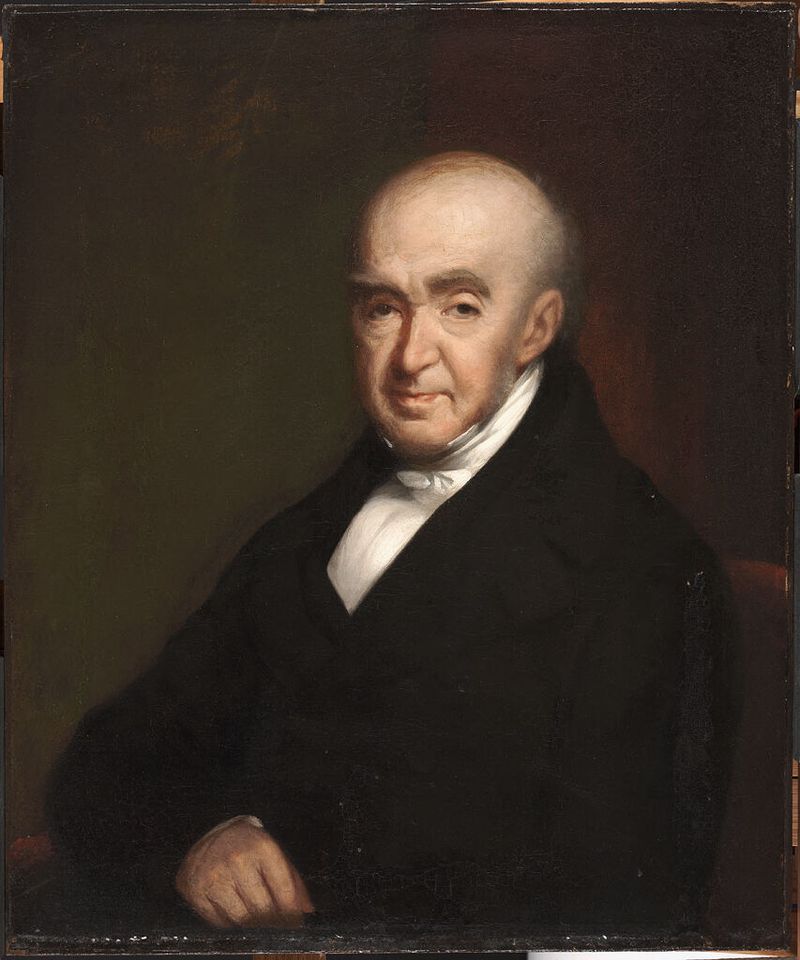
Samuel Rogers (1763-1855)
Chester Harding
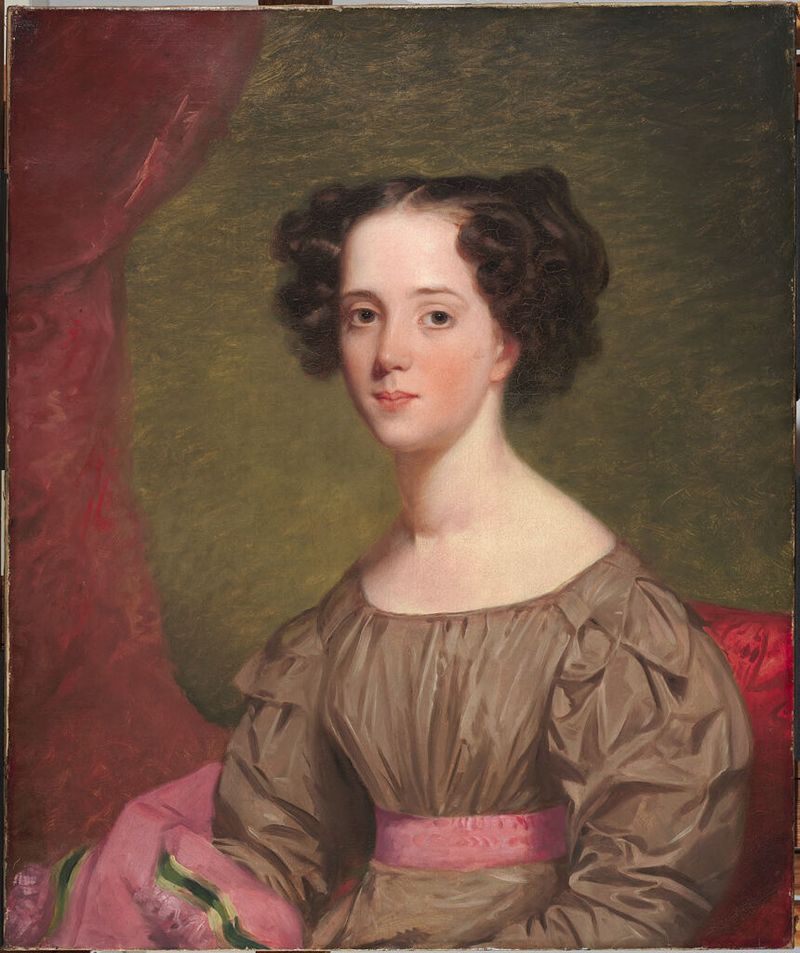
Margaret Morton Quincy Greene (Mrs. Benjamin Daniel Greene) (1806-1882)
Chester Harding
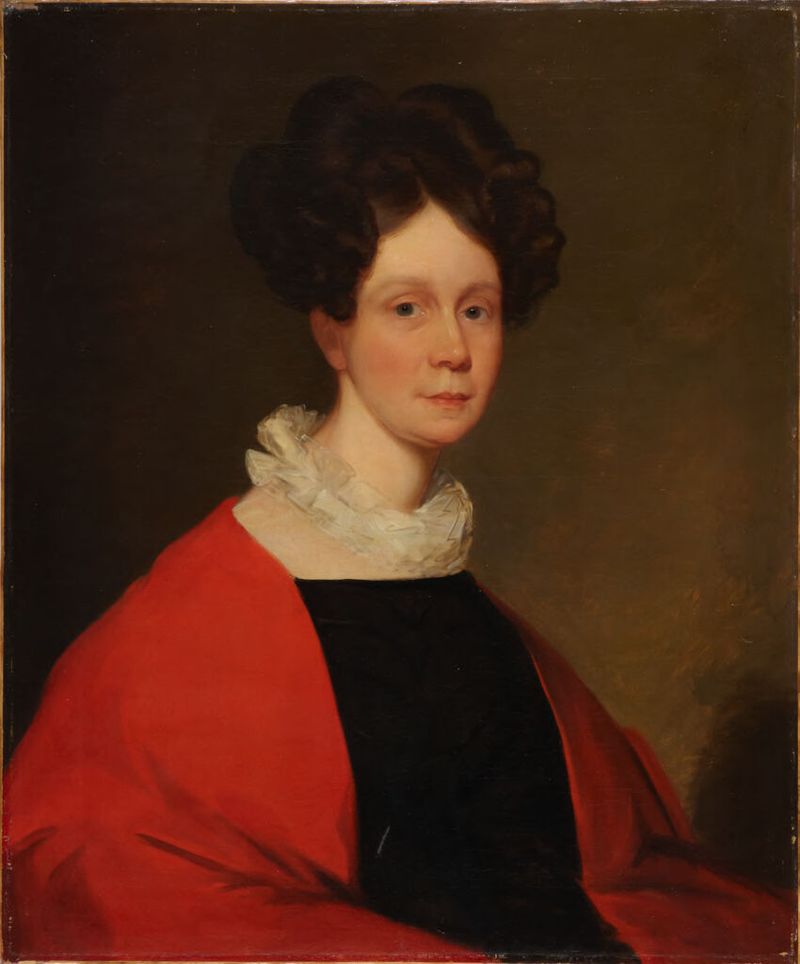
Hannah Davis Dudley (Mrs. David Dudley) (1792-1886)
Chester Harding
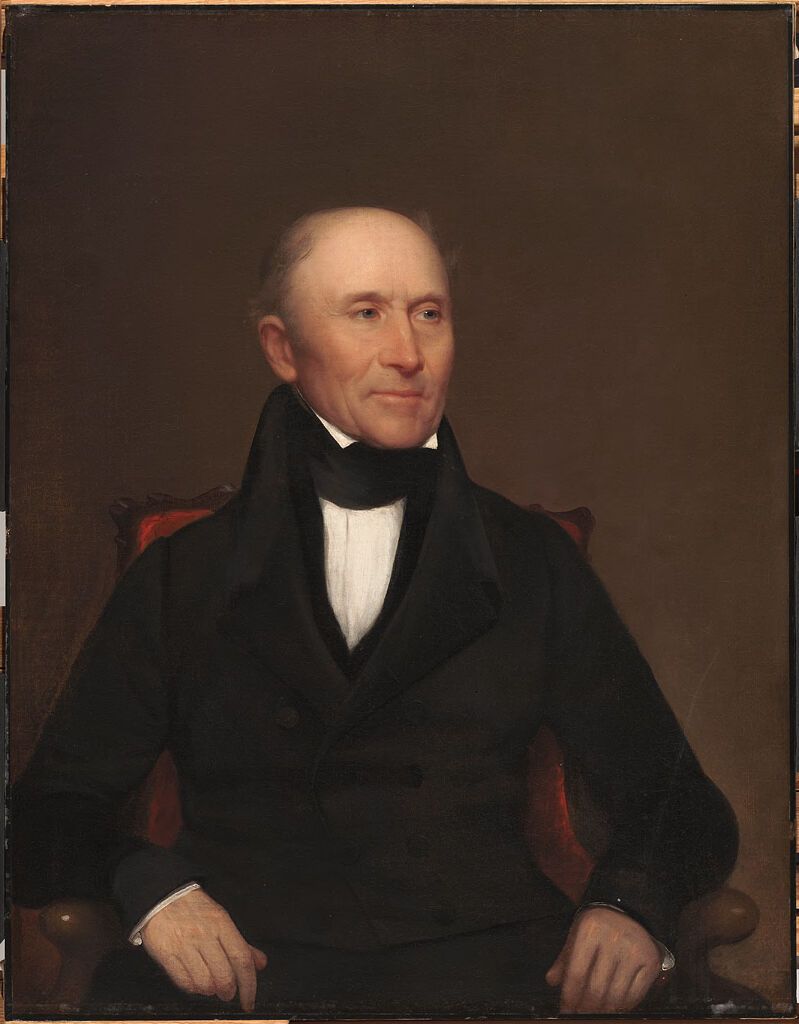
Israel Munson (1767-1844)
Chester Harding

Tyler Bigelow (1778-1865)
Chester Harding
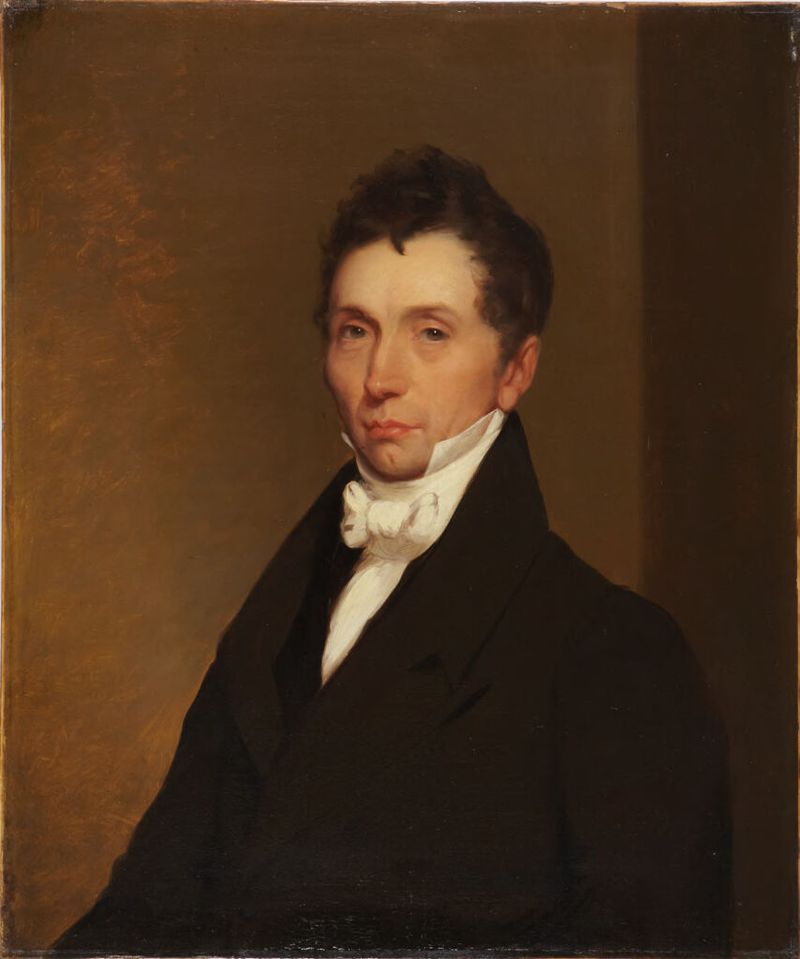
David Dudley (1787-1841)
Chester Harding
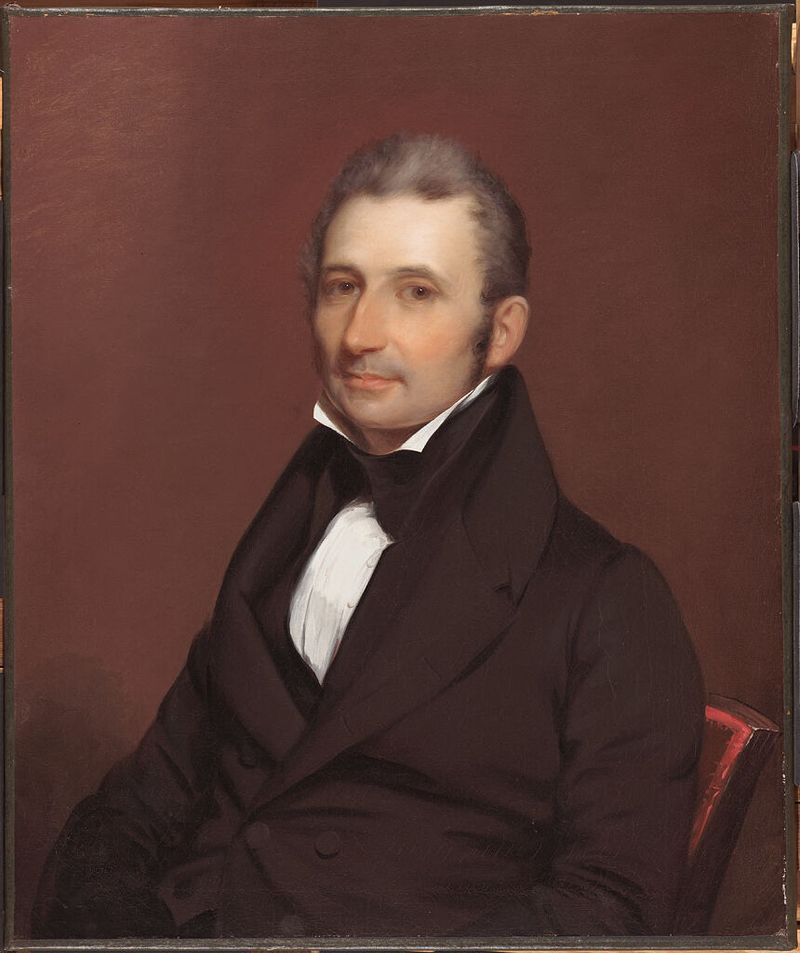
Josiah Parsons Cooke (1787-1880)
Chester Harding
More Portrait Art
Browse all →
Las meninas
Diego Velázquez

Self-portrait with a Bandaged Ear and Pipe
Unidentified artist

Girl with a Pearl Earring
Johannes Vermeer

The Sampling Officials of the Amsterdam Drapers’ Guild, Known as ‘The Syndics’
Rembrandt van Rijn

The Hundred Guilder Print: the man seen on the back in the lower left corner
Rembrandt van Rijn

Portrait of Dr Gachet
Vincent van Gogh