
Margaret Morton Quincy Greene (Mrs. Benjamin Daniel Greene) (1806-1882) — History & Facts
Who listens when art speaks of silence? In Margaret Morton Quincy Greene, the stillness is palpable, inviting us to contemplate not just the subject, but the deeper narratives woven into her presence. Look closely at the figure of Mrs. Greene, seated gracefully against a backdrop of soft drapery that whispers of elegance. Her gaze meets the viewer’s with a serene, almost contemplative air, while the delicate play of light accentuates the contours of her face and the gentle folds of her attire.
The palette, composed of muted earth tones, envelops her in warmth, creating a sense of intimacy that draws the eye and the heart toward her poised demeanor. Beneath the surface, echoes of rebirth and transformation resonate. The softness of her surroundings contrasts with the strength found in her expression, suggesting a narrative of resilience in a time marked by societal constraints on women. The subtle details—the carefully arranged hair, the delicate lace trim—speak of personal identity and the quiet power of self-definition in an era of change.
This juxtaposition highlights not only her individuality but also the broader theme of women's evolution within the fabric of society. Chester Harding painted this portrait in 1826, during a time when American art was beginning to establish its own identity, distinct from European influences. Living in Boston, Harding found himself amidst a burgeoning cultural scene, where portraiture was increasingly sought after by wealthy patrons. This moment marked a pivotal shift in his career as he embraced his role in shaping American visual culture, capturing the essence of individuals like Mrs.
Greene with both sincerity and skill.
More Artworks by Chester Harding
Browse all →
Thomas Abthorpe Cooper (1776-1849)
Chester Harding
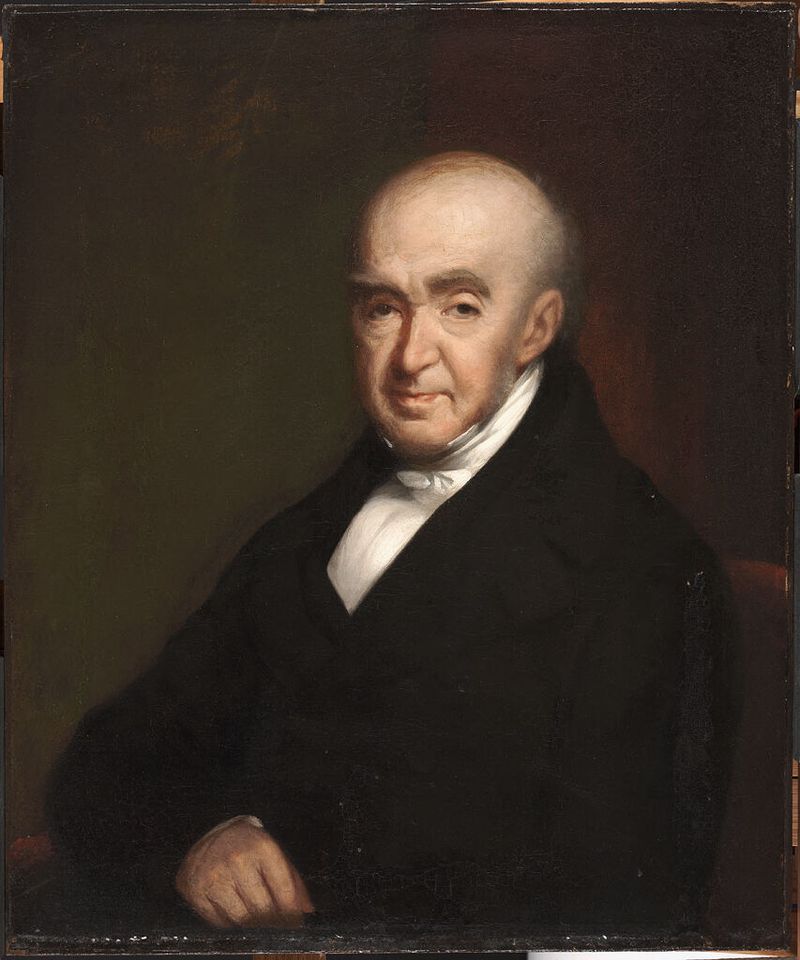
Samuel Rogers (1763-1855)
Chester Harding
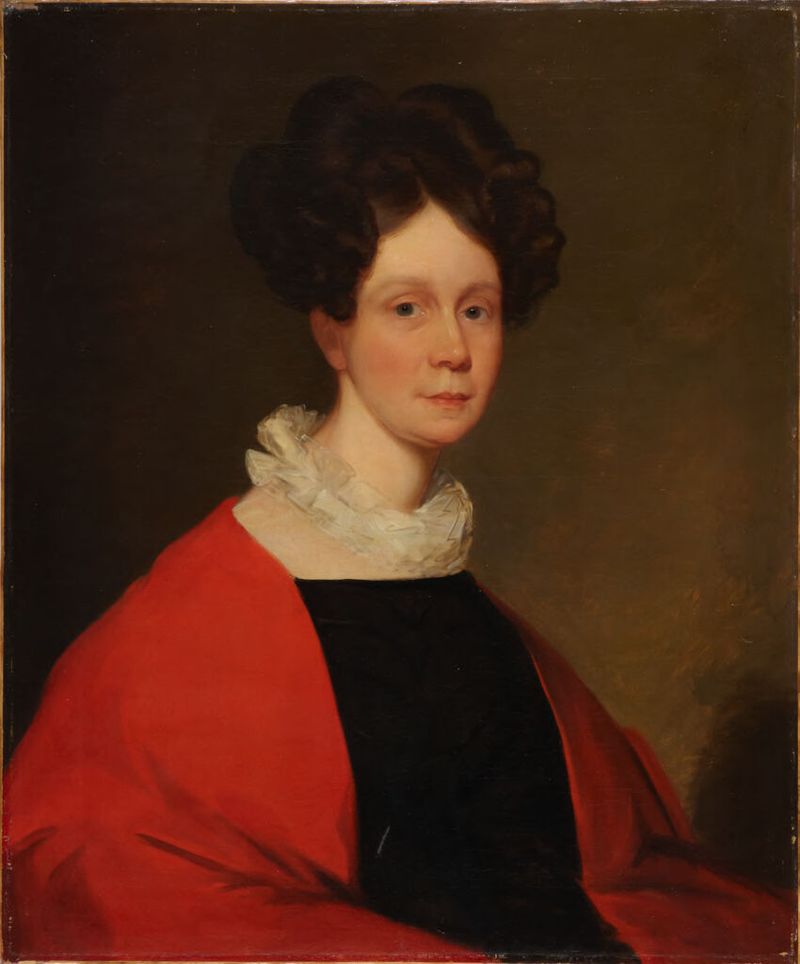
Hannah Davis Dudley (Mrs. David Dudley) (1792-1886)
Chester Harding
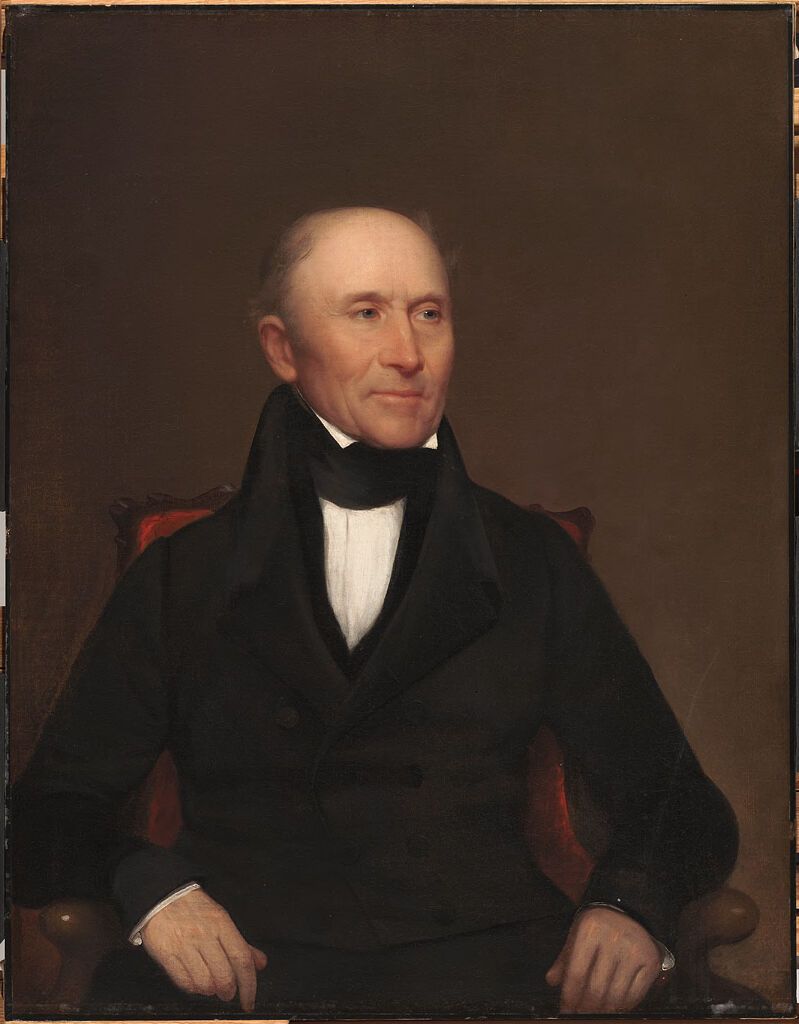
Israel Munson (1767-1844)
Chester Harding

Tyler Bigelow (1778-1865)
Chester Harding
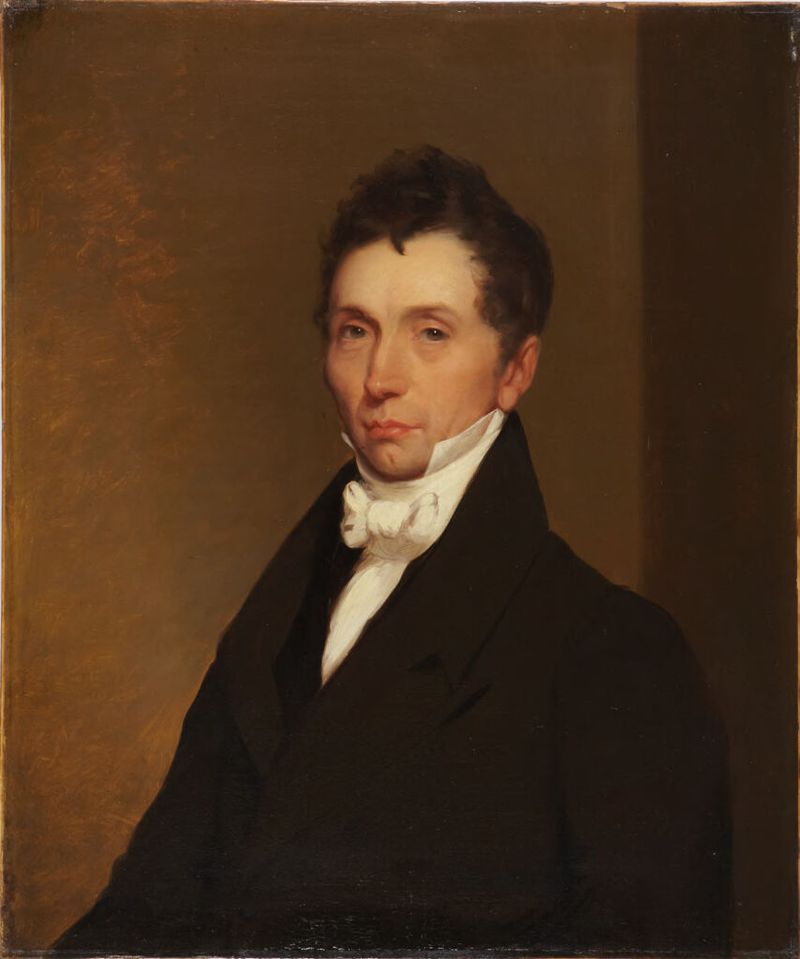
David Dudley (1787-1841)
Chester Harding
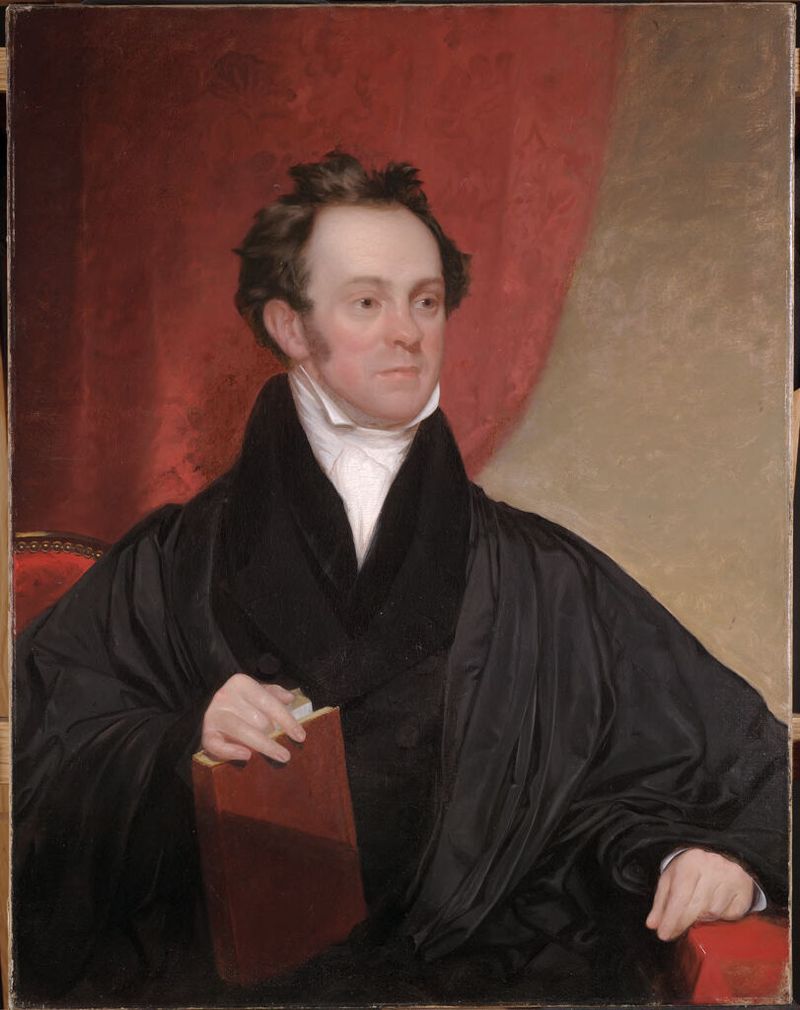
Francis Parkman (1788-1852)
Chester Harding
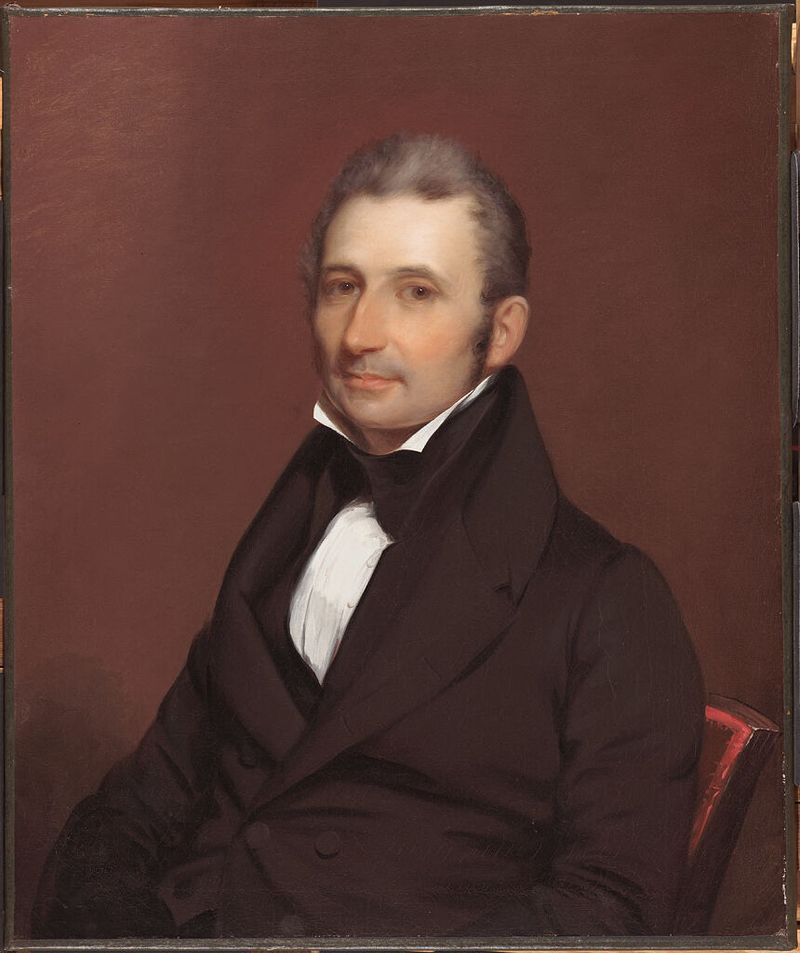
Josiah Parsons Cooke (1787-1880)
Chester Harding
More Portrait Art
Browse all →
Las meninas
Diego Velázquez

Self-portrait with a Bandaged Ear and Pipe
Unidentified artist

Girl with a Pearl Earring
Johannes Vermeer

The Sampling Officials of the Amsterdam Drapers’ Guild, Known as ‘The Syndics’
Rembrandt van Rijn

The Hundred Guilder Print: the man seen on the back in the lower left corner
Rembrandt van Rijn

Portrait of Dr Gachet
Vincent van Gogh