Fright — History & Facts
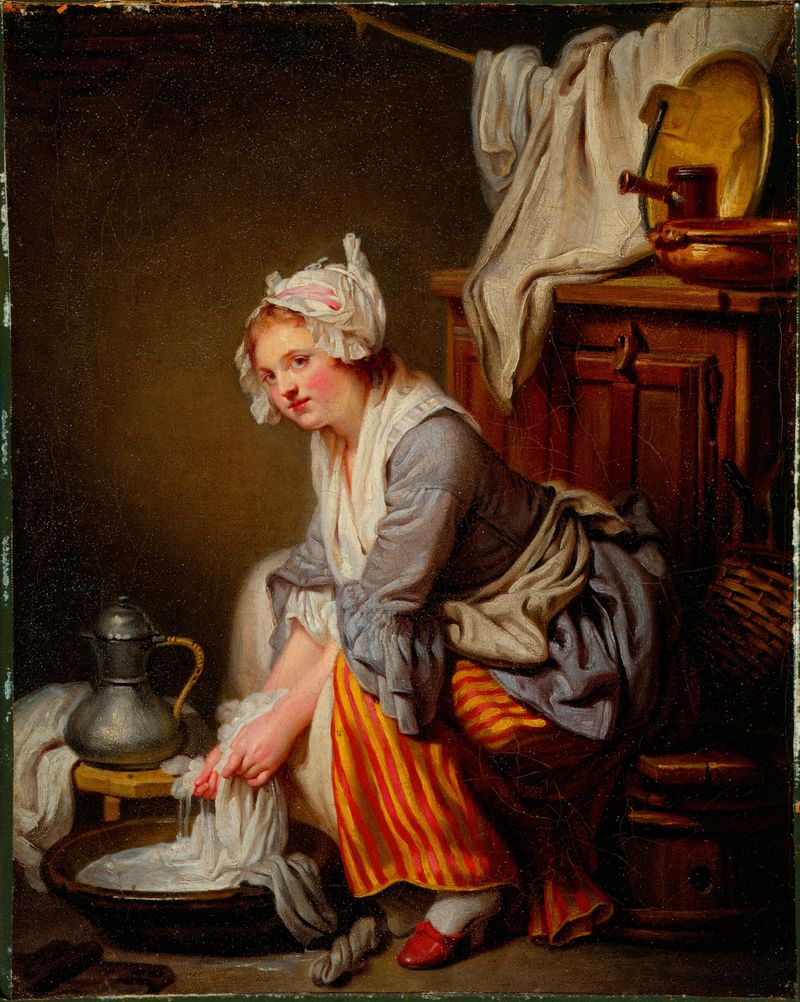
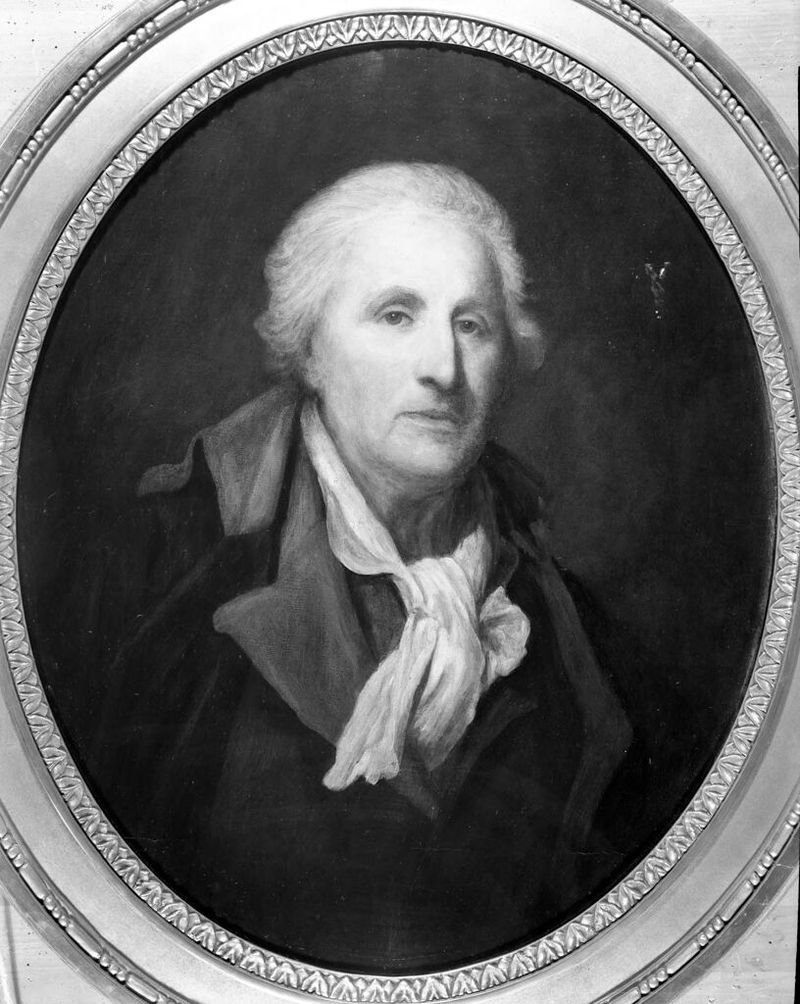
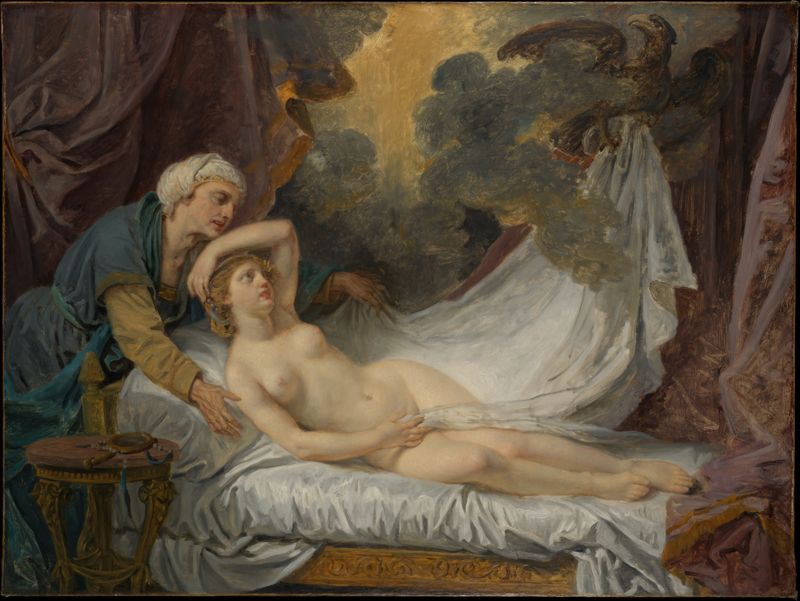
In a tumultuous world, chaos often lies beneath the surface, waiting to be unfurled through the brushstrokes of a master. Focus on the striking contrast between light and shadow that dominates the composition. The intense gaze of the central figure draws the eye immediately, revealing a depth of fear and uncertainty. Notice how the muted palette of browns and grays envelops the scene, while flashes of white highlight the figure's trembling hands and agitated expression.
Each detail conveys tension, encapsulating a moment of raw emotion that feels at once intimate and universal. The hidden meanings lie within the gestures and expressions that speak volumes of inner turmoil. The figure’s wide eyes and slightly parted lips hint at a story of dread, perhaps the recognition of impending loss or the anxiety of impending change. Additionally, the surrounding darkness deepens the sense of isolation, suggesting that the chaos within the individual echoes a broader societal disarray.
This tension between the personal and the collective crisis is enveloped in the composition, urging the viewer to confront their own fears. Created around 1800, this piece emerged during a period of social upheaval marked by the aftermath of the French Revolution. Greuze, a leading figure in the genre of moralizing art, sought to reflect the human condition in a time when emotions ran high and uncertainties loomed large. His work often spoke to the fragility of human experience, making Fright a compelling commentary on the chaos of his time.