Garden in Zakopane — History & Facts
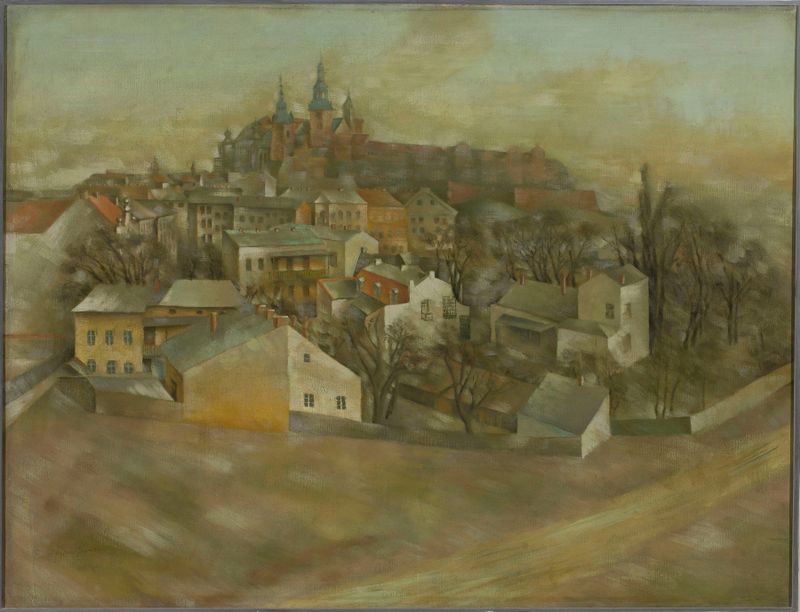
In a serene Polish garden, the vibrant colors of blossoming flowers explode under the golden afternoon sun. Wisps of wind rustle through the leaves, carrying with them whispers of revolution just beyond the horizon. A figure stands contemplatively, surrounded by a riot of life, their expression caught between tranquility and the tension of an uncertain future. Look to the left at the lush greens of the foliage, painted with deliberate brush strokes that evoke a sense of movement and vibrancy.
The flowers, splashed with vivid reds and yellows, draw the eye toward the central figure, whose muted attire contrasts sharply with the surrounding blooms. Notice how the light filters through the branches, casting gentle shadows that dance across the scene, creating depth and inviting the viewer to explore the layers of emotion concealed within this peaceful yet charged setting. Amidst the visual spectacle lies a juxtaposition of serenity and impending change. The garden, a space of growth and beauty, symbolizes hope, while the figure’s pensive demeanor hints at the turmoil brewing in society.
The vibrant colors may celebrate nature’s bounty, yet they also serve as a reminder of the fragility of peace in times of upheaval, reflecting the emotional weight of a world on the brink of transformation. Jacek Mierzejewski created Garden in Zakopane in 1915, a period marked by the looming shadows of World War I. Living in Poland, he was deeply influenced by the socio-political climate, where nationalism was stirring amidst the chaos of war. This artwork captures not just a moment in nature, but also the unspoken anxieties of a nation yearning for freedom amidst revolutionary fervor, encapsulating a pivotal time in both his life and the broader context of art.