Gasse In Garda — History & Facts
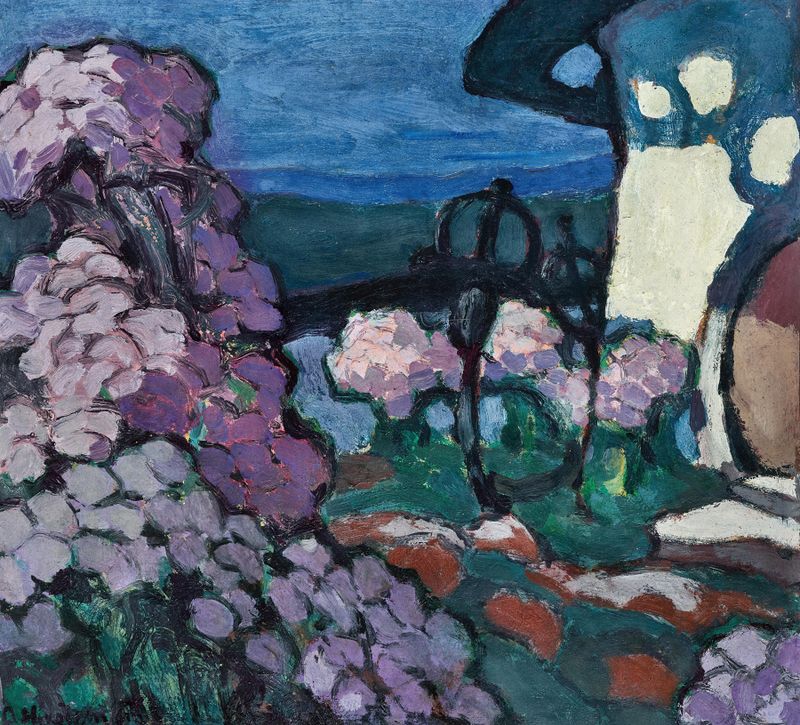
Could beauty survive in a century of chaos? In Gasse In Garda, shadows dance within the intricate labyrinth of alleyways, hinting at the stories untold and moments suppressed by time’s passage. Look to the left at the softly illuminated archway, where light spills gently onto the cobblestones, creating a warm invitation in an otherwise cool palette. Notice how the muted blues and grays dominate, portraying the quiet, almost melancholic atmosphere, while vibrant touches of earth tones breathe life into the scene. The absence of figures allows the viewer to inhabit this space fully, grappling with both the allure and solitude that these winding paths evoke. As you delve deeper, consider the contrast between light and shadow—each corner and crevice holding secrets from the past.
The stark delineation of light suggests fleeting moments of clarity amidst surrounding obscurity, whispering of both nostalgia and longing. This interplay mirrors the turbulent history of the region, reflecting resilience in the face of adversity, as each shadow may represent a memory buried beneath layers of time. During the creation of Gasse In Garda, Artur Nikodem was immersed in a world marked by social upheaval and artistic experimentation. While the exact date of this work remains unknown, it aligns with a period where art sought to capture the essence of fleeting beauty amidst chaos.
Nikodem's approach emphasizes the power of place and memory, resonating with the viewer’s internal landscapes that echo the challenges of their era.