
Gateway — History & Facts
In the interplay of shadow and light, the essence of what we perceive often remains just out of reach, urging us to look deeper. Focus on the central archway that dominates Gateway, where hues of burnt sienna and deep umber pulse with warmth, inviting you into a realm of quiet reflection. The structure's outline, delicate yet robust, draws your gaze. Notice how the sunlight caresses the edges, casting slender shadows that stretch into the surrounding space, creating a gentle tension between presence and absence.
Each stroke of paint breathes life into this architectural embrace, suggesting both passage and pause. Peering closer, one uncovers the dichotomy of the scene: the vibrant color palette contrasted with the darkness of the shadows conveys a palpable sense of mystery. The shadows whisper stories untold, hinting at hidden pathways and choices left unexplored. Here, the artist seems to grapple with the emotional weight of transition, suggesting that every threshold carries the possibility of both adventure and introspection. Created during an era of artistic exploration, the work emerged from the mind of Brabazon, whose fascination with light and shadow reflected a broader movement towards impressionism in the late 19th century.
Living at the turn of the century, he sought to capture the ephemeral quality of nature and life within his canvases. In this transitional period, as artists like him began to step away from strict representation, the invitation to wander through Gateway resonates with their desire to embrace ambiguity and personal interpretation.
More Artworks by Hercules Brabazon Brabazon
Browse all →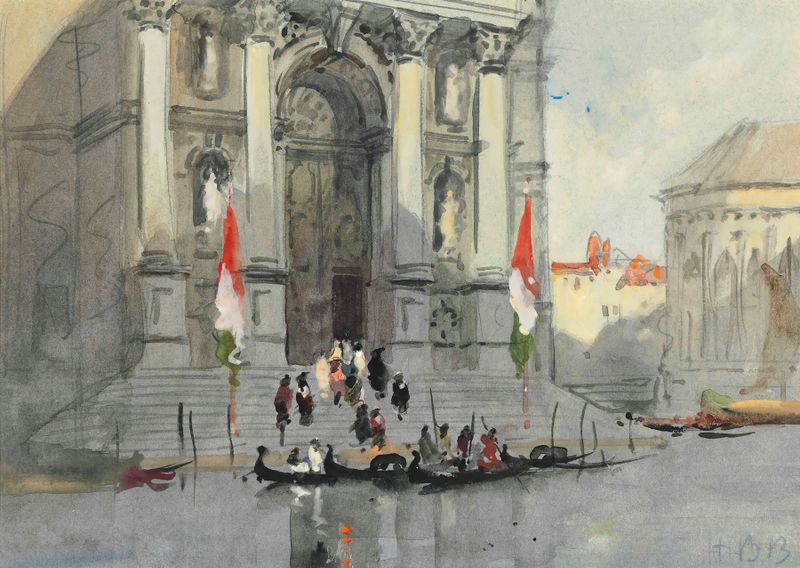
Santa Maria della Salute, Venice
Hercules Brabazon Brabazon
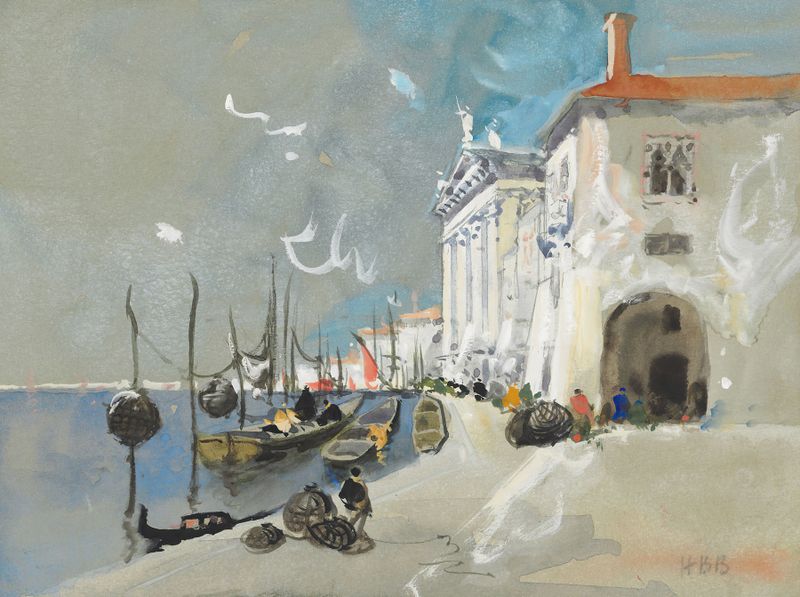
Fish baskets, Chioggia, south of Venice
Hercules Brabazon Brabazon
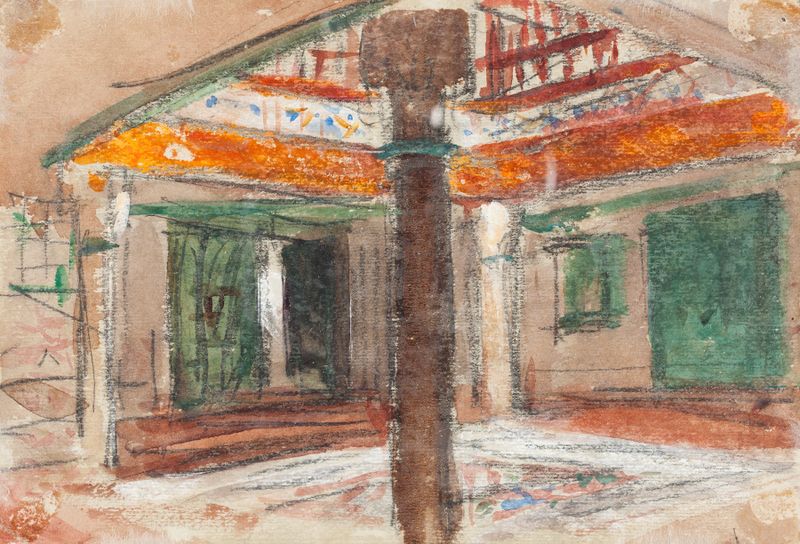
Interior of an Exotic Palace
Hercules Brabazon Brabazon
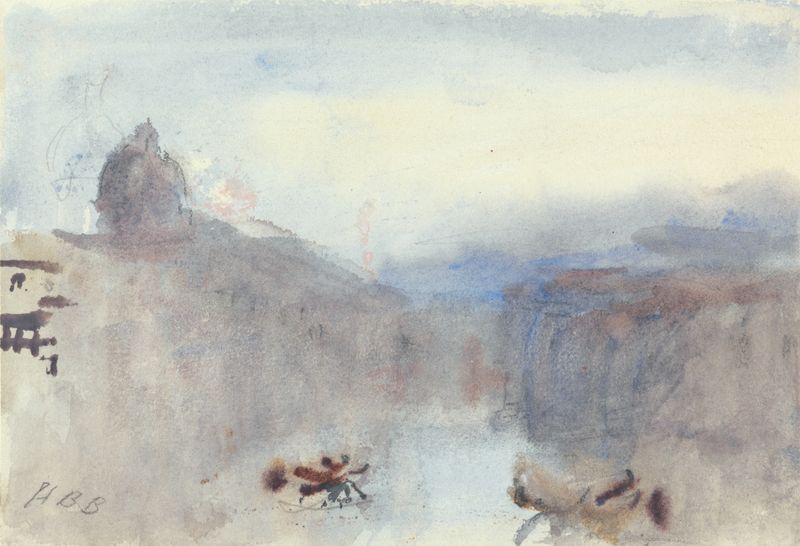
Grand Canal Sunset
Hercules Brabazon Brabazon
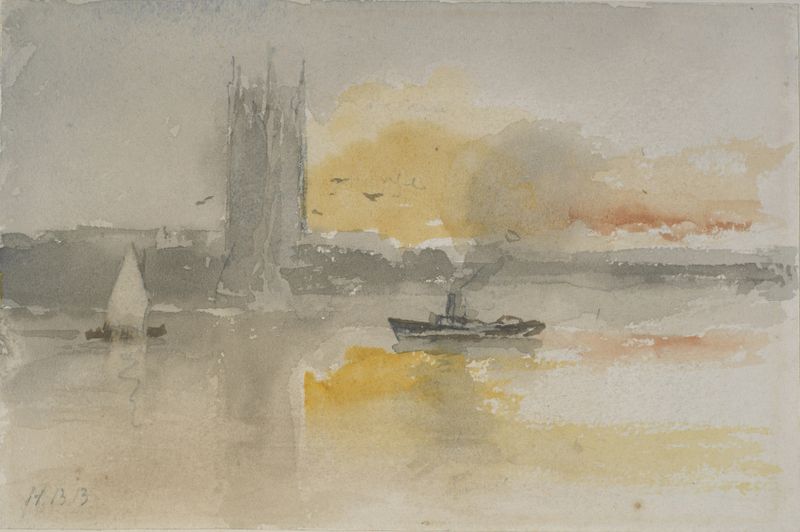
Houses of Parliament
Hercules Brabazon Brabazon
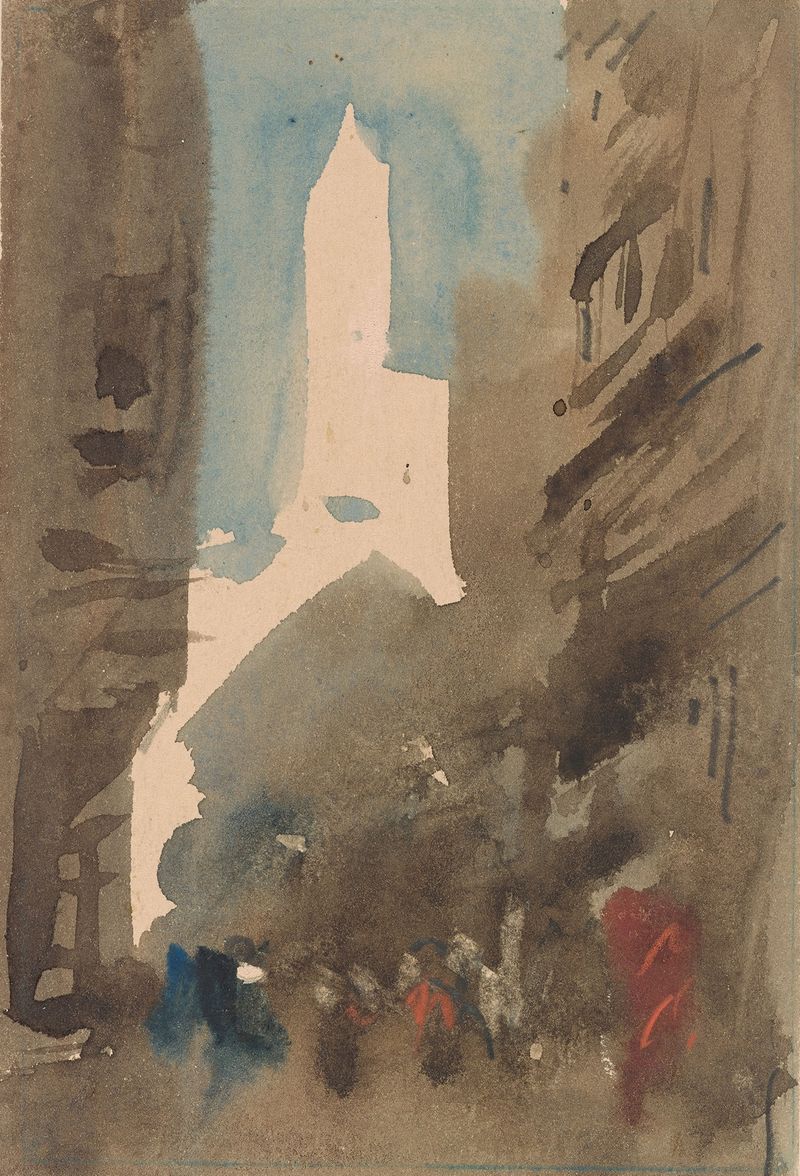
Street Scene with White Tower
Hercules Brabazon Brabazon
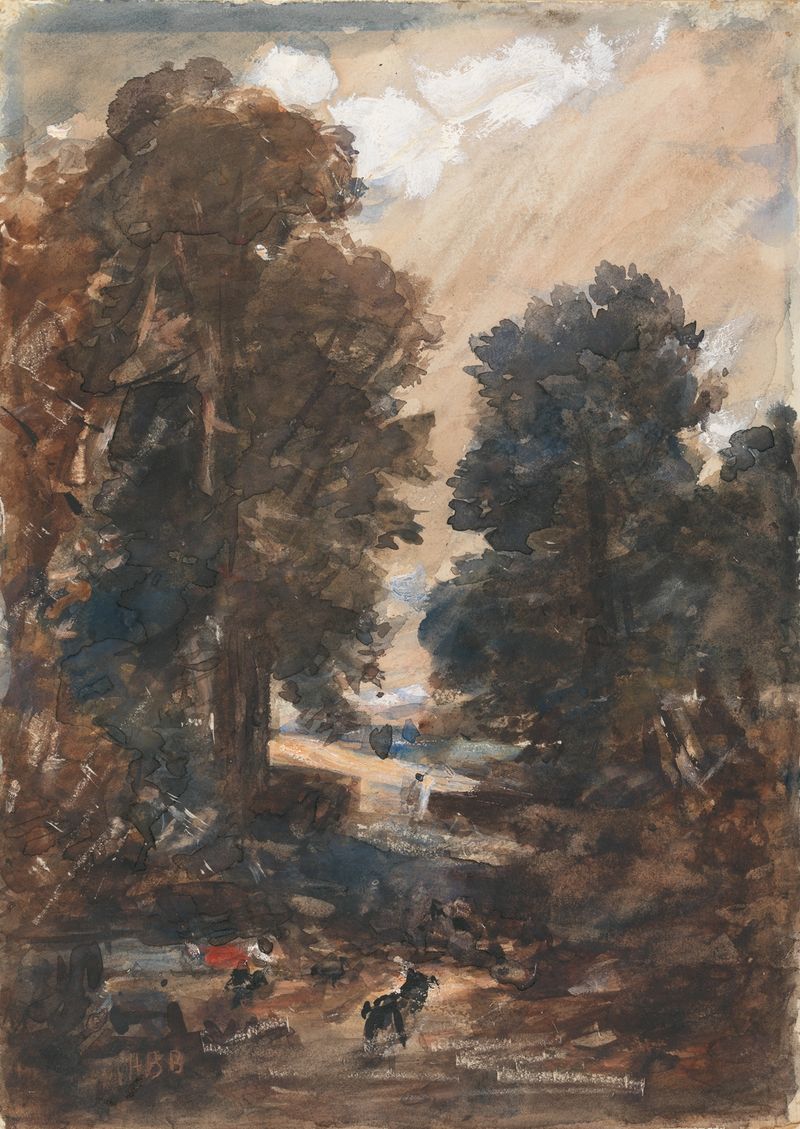
The Cornfield
Hercules Brabazon Brabazon
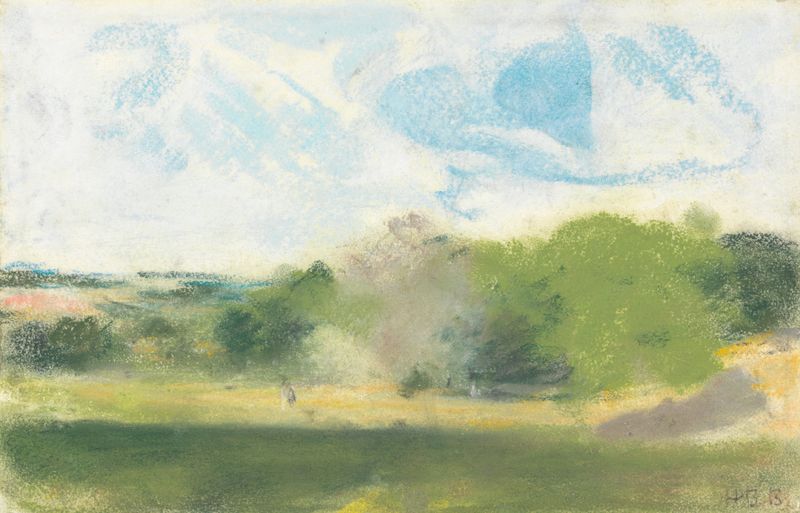
View at Oaklands
Hercules Brabazon Brabazon
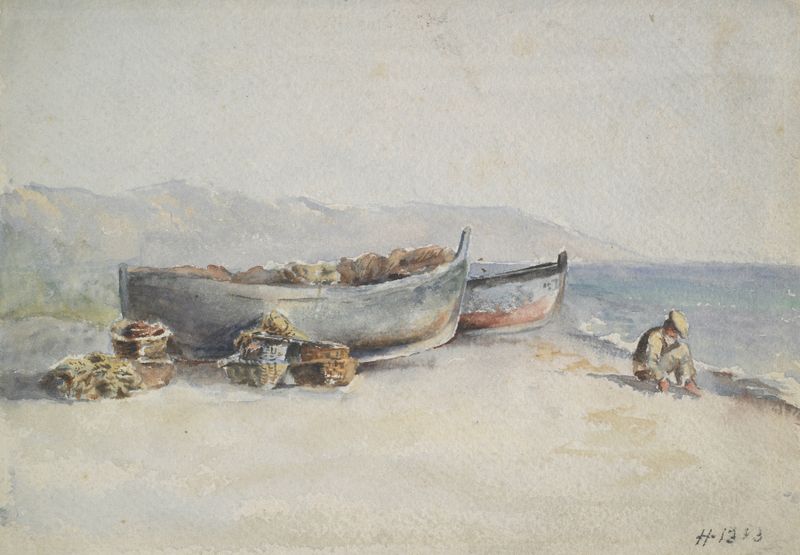
Fishing boats on the shore
Hercules Brabazon Brabazon
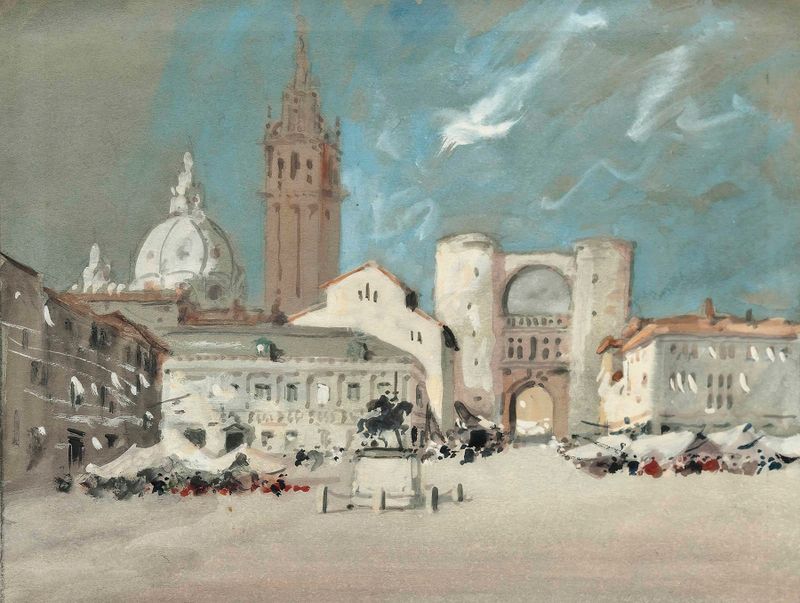
Piazza Dei Signori, Padua
Hercules Brabazon Brabazon
More Architecture Art
Browse all →
The statue of Liberty
Frédéric Auguste Bartholdi

View of Houses in Delft, Known as ‘The Little Street’
Johannes Vermeer

View of Houses in Delft, Known as ‘The Little Street’
Johannes Vermeer

The Cathedral in Rouen. The portal, Grey Weather
Claude Monet

The yellow house
Vincent van Gogh

The Church in Auvers-sur-Oise, View from the Chevet
Vincent van Gogh