Gebirgslandschaft mit einem Wasserfall — History & Facts
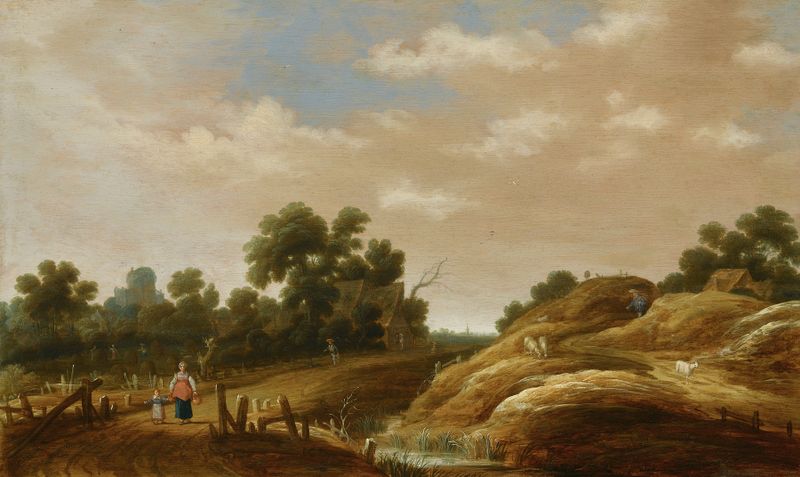
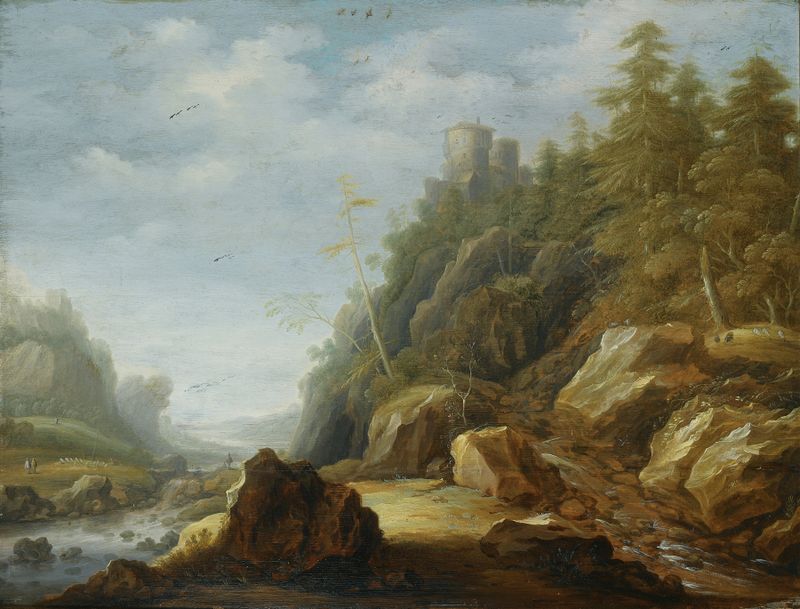
What if beauty was never meant to be finished? In Gebirgslandschaft mit einem Wasserfall, the tranquil chaos of nature unfolds, inviting the viewer into an eternal moment of awe and contemplation. Focus on the cascading water at the center, its silvery threads weaving through the rocky landscape. Notice how light dances upon the surface, illuminating the droplets that catch the sun like scattered diamonds. Surrounding the waterfall, the artist employs rich earthy tones to depict the rugged mountains and verdant foliage, creating a harmonious yet dynamic contrast that pulls the eye into the depths of this mountainous realm. Hidden within this serene landscape lies the tension between the wild and the serene.
The robust mountains seem to guard secrets of a world untamed, while the gentle flow of the waterfall symbolizes the passage of time—both constant and shifting. Shadows creeping across the rocks hint at the impending encroachment of dusk, making one ponder not just the beauty before them but the transient nature of such perfection. In 1625, during a time of great artistic exploration in the Netherlands, Camphuysen was influenced by the burgeoning Baroque movement, which celebrated both the grandeur of nature and the complexities of human emotion. Working amidst a rich cultural milieu, he crafted this landscape as an ode to the sublime power of the natural world, reflecting both his personal experiences and the collective yearning for beauty that defined the era.