
Geboorte van Christus — History & Facts
When did color learn to lie? The vibrant hues that dance across the canvas beckon us closer, whispering secrets of emotion and intention held within each brushstroke. Every shade carries a weight; every tint, a truth. Focus on the serene figures surrounding the newborn, where the delicate interplay of light and shadow creates an ethereal glow. Notice how the rich reds of the cloaks juxtapose with the soft blues, embodying the warmth of belonging and the cool distance of the divine.
As your gaze lingers, the intricate detailing of the scene invites you to explore the textures of the garments, each fold telling its own story, while the background fades into an almost dreamlike blur, emphasizing the sacred moment at the center. Delve deeper to uncover the emotional tensions woven throughout. The expressions on the faces, a blend of awe and reverence, reflect a collective acknowledgment of the miracle taking place. Yet, the stark contrast of the earthly tones against the brilliant golds hints at the duality of existence—heavenly joy intertwined with the weight of earthly burdens.
Each figure holds a role, yet they remain bound by a shared experience, unified in their silent prayers and marvels. Created between 1470 and 1490, this piece emerged during a time of great transformation in European art. The late Gothic period was transitioning toward the Renaissance, with artists exploring more lifelike representations and emotional depth. The artist, whose identity remains unknown, captured this pivotal moment in history, reflecting not only religious devotion but also the burgeoning humanism that would shape the future of art for centuries to come.
More Artworks by Unknown Artist
Browse all →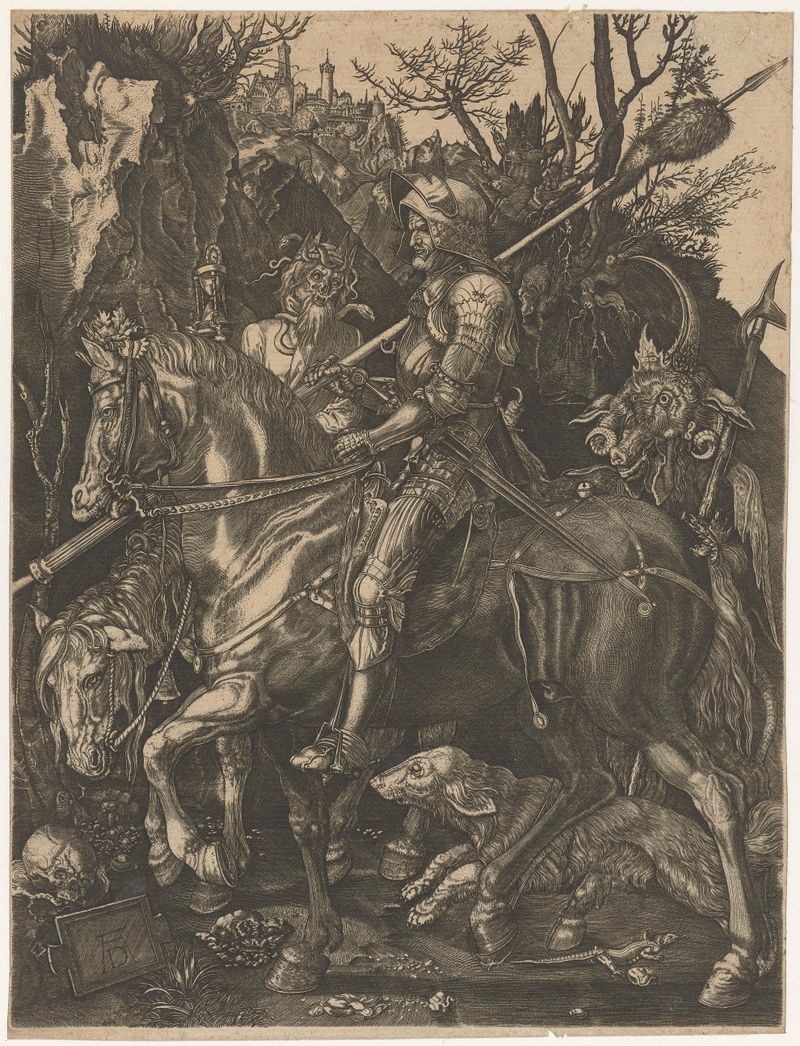
Ridder, Dood en Duivel
Unknown Artist
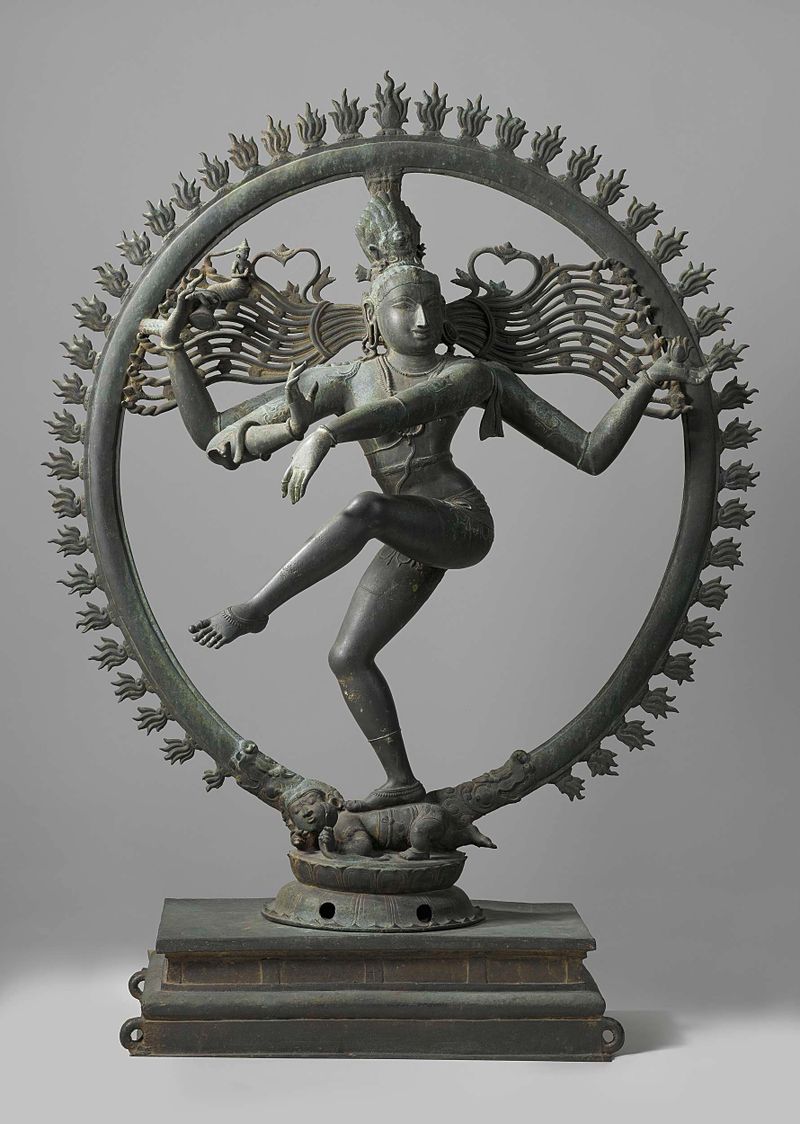
Shiva Nataraja
Unknown Artist
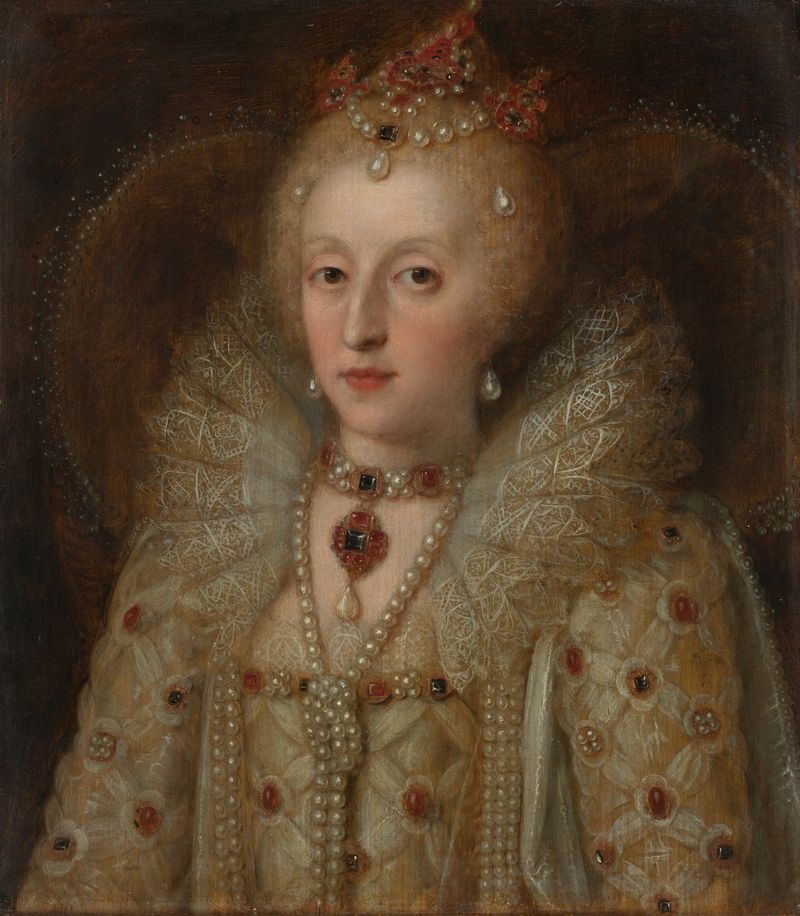
Portrait of Elizabeth I, Queen of England
Unknown Artist
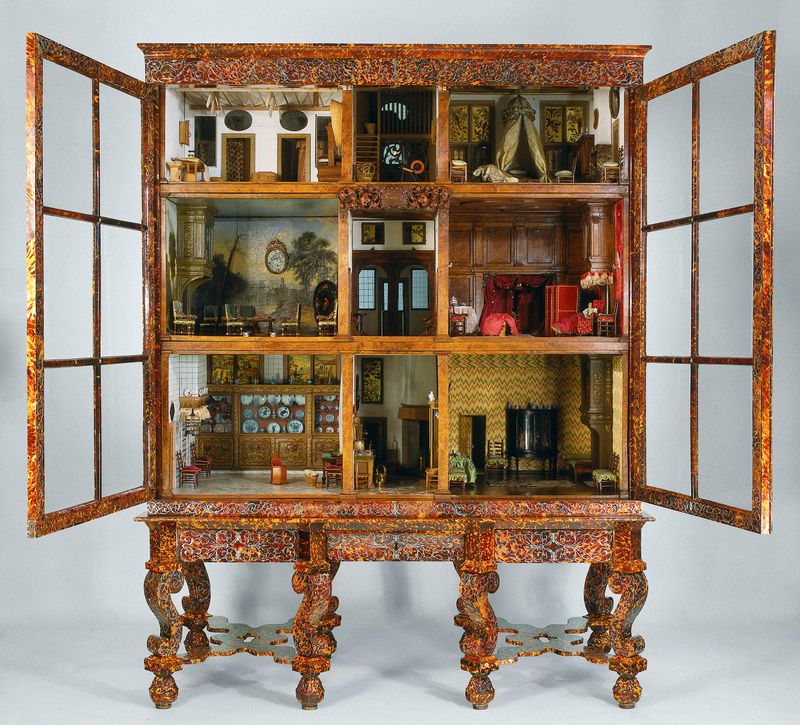
Dolls’ house of Petronella Oortman
Unknown Artist
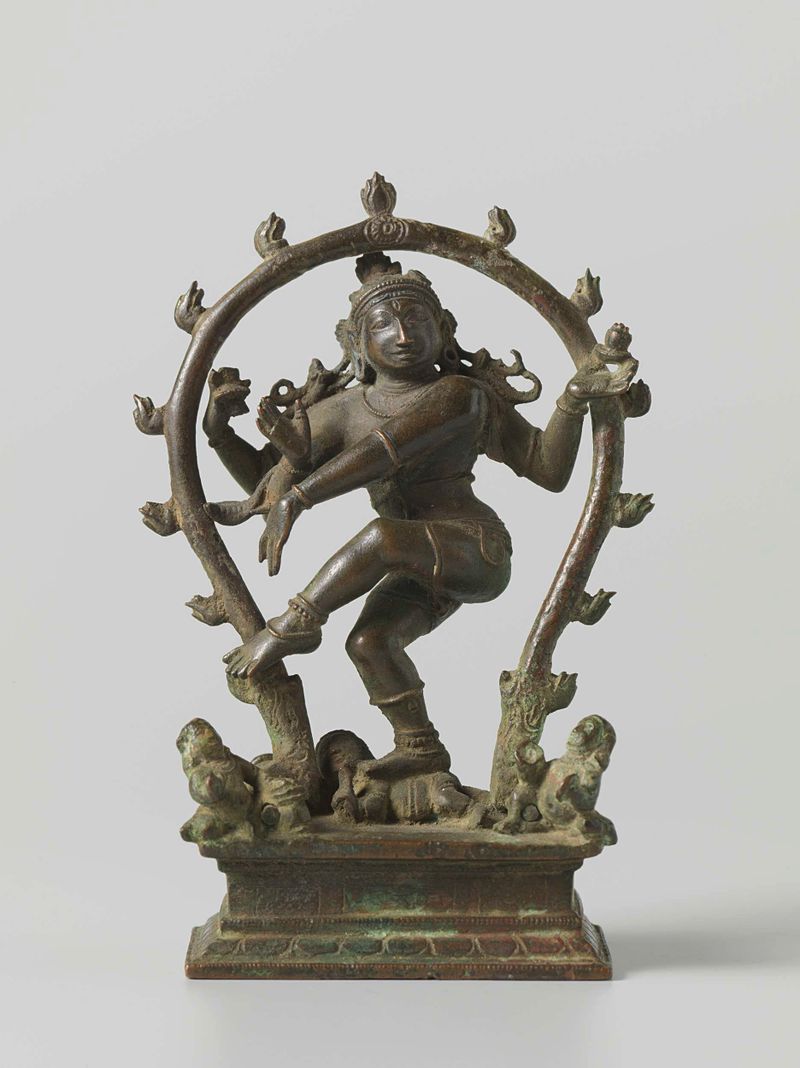
Shiva Nataraja
Unknown Artist

The Tale of Genji
Unknown Artist

The Tale of Genji
Unknown Artist
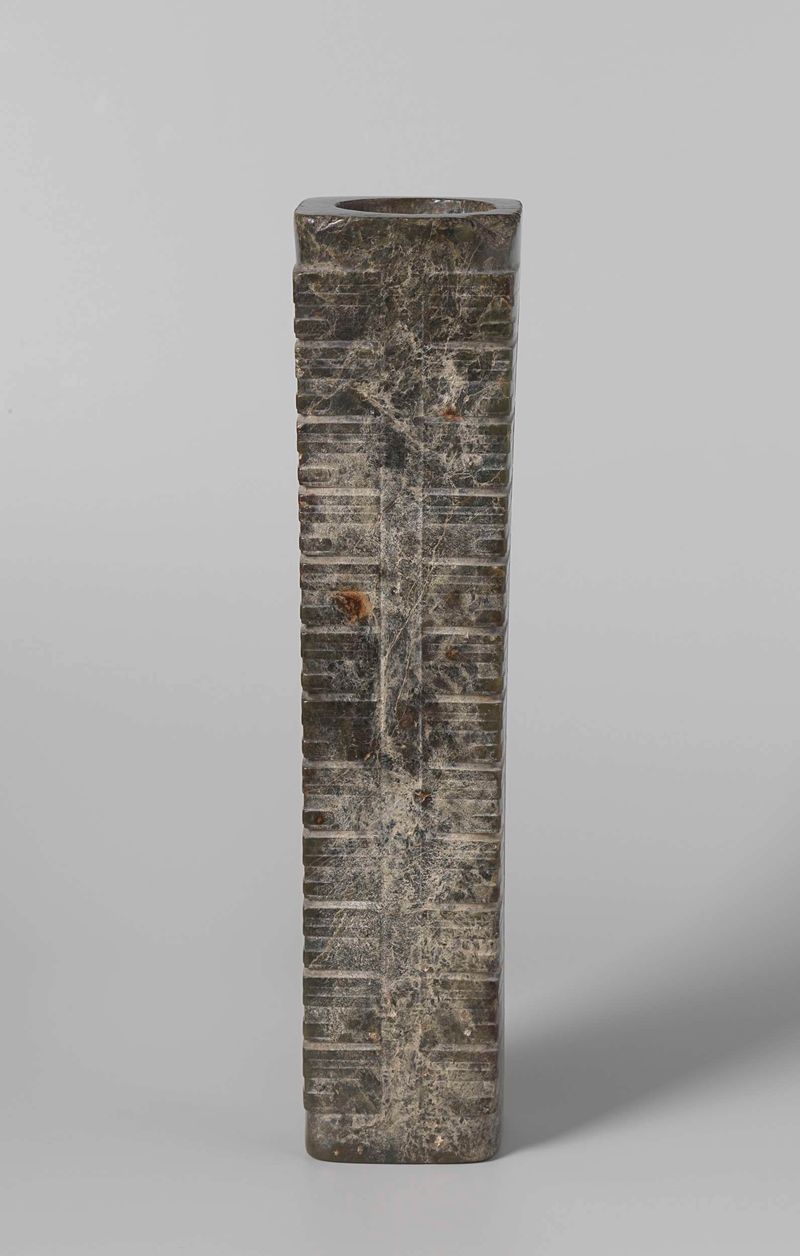
Cong
Unknown Artist
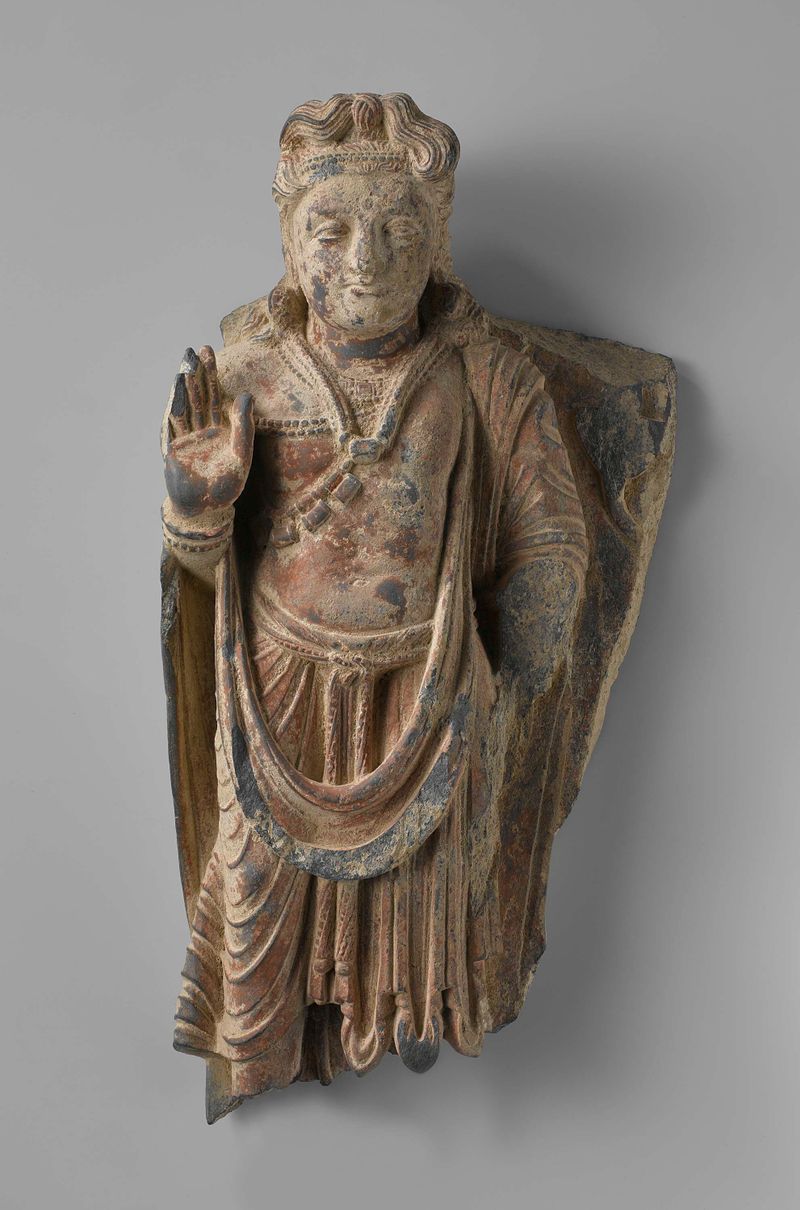
The bodhisattva Maitreya
Unknown Artist
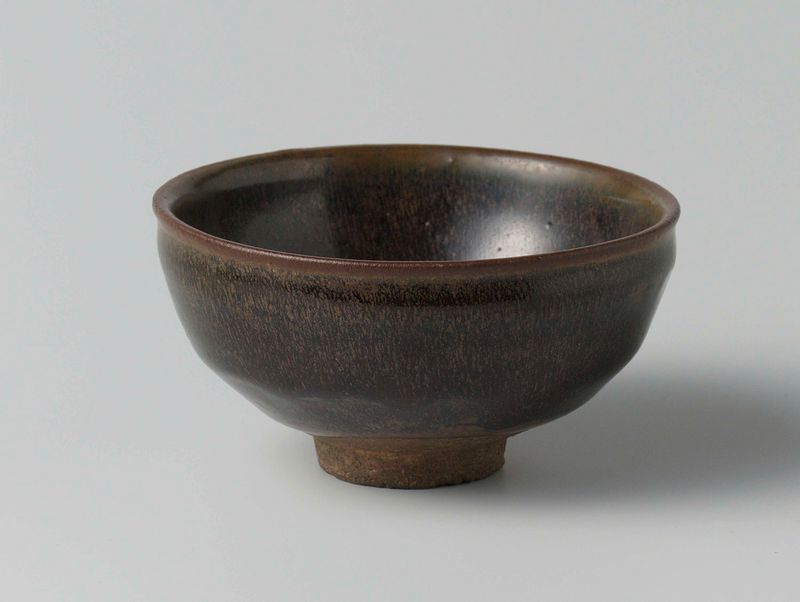
Teabowl with a 'hare's fur' glaze
Unknown Artist
More Religious Art
Browse all →
The Return of the Prodigal Son
Rembrandt van Rijn

The Garden of Earthly Delights
El Bosco

Count Orgaz’ funeral
El Greco

The Hundred Guilder Print: the central piece with Christ preaching, the plate arched
Rembrandt van Rijn

The Descent from the Cross
Rogier van der Weyden

The return of the prodigal son
Rembrandt van Rijn