Gemälde — History & Facts
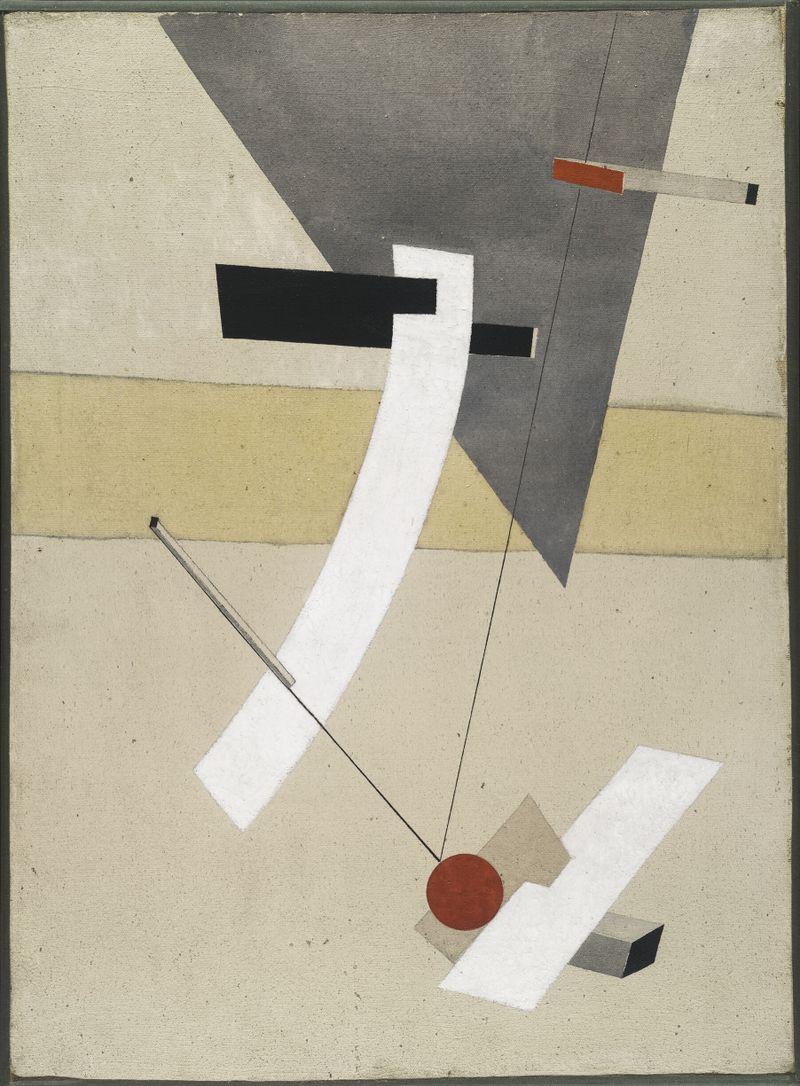
Could a single brushstroke hold eternity? In the silence of the canvas, the weight of betrayal hangs heavy, as if every hue and line could whisper secrets of the heart. Look towards the center of the painting, where a vibrant splash of red intersects with deep, brooding tones of blue and gray. Notice how the contrasting colors seem to clash yet harmonize, stirring a palpable tension. The meticulous brushwork creates a sense of movement, drawing your gaze toward the chaotic amalgamation, while the faint glow of white highlights add depth, hinting at an inner light struggling to break through the darkness. As you explore the edges, small, almost imperceptible details emerge—a tear in the fabric of the scene, a shadow creeping across the foreground.
Each stroke tells a story of mistrust and loss, inviting a reflection on the fragility of human connections. The juxtaposition of bold colors alongside muted shades suggests unresolved conflict, evoking feelings of both despair and resilience. The artist, working in an unspecified period, was navigating a tumultuous time in their personal life, grappling with emotions that would later manifest on the canvas. This was an era ripe with creative exploration, where the boundaries of expression were being tested.
In this context, the creation of Gemälde stands as a powerful testament to the complexity of human experiences, an echo of the artist's struggles and triumphs.