Gemälde — History & Facts
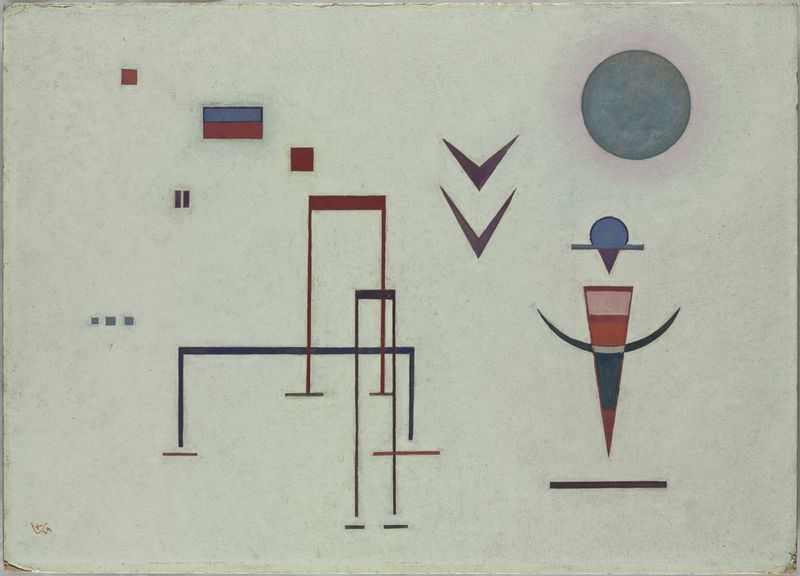
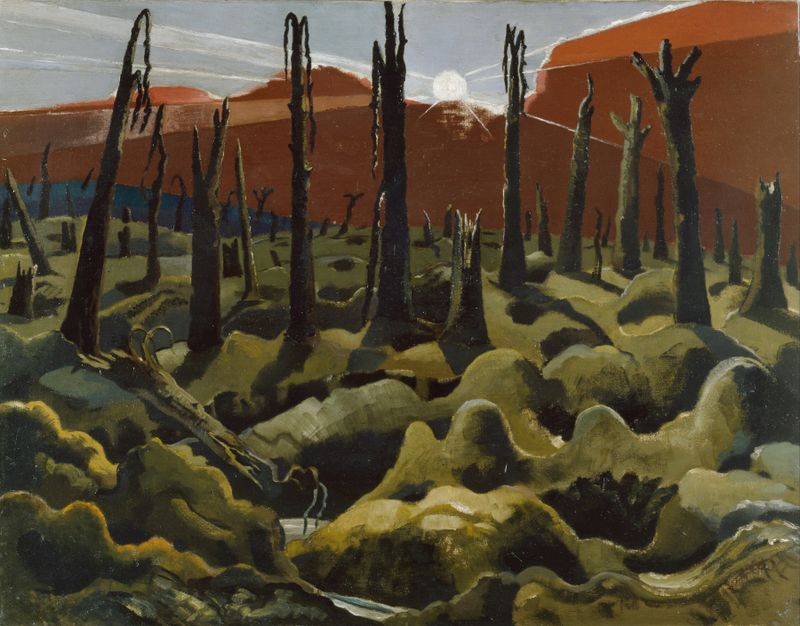
In the quiet stillness of an empty space, a void emerges, inviting contemplation and challenging perception. Here, absence becomes a profound presence, emphasizing the weight of what is not depicted. Look to the center of the canvas, where a delicate balance of light and shadow creates an almost ethereal quality. The soft hues blend seamlessly, drawing the eye to the careful strokes that suggest depth within a seemingly flat landscape.
Subtle variations of color echo the emotional resonance of the piece, as if the artist has poured their soul into every inch, leaving traces of a narrative just out of reach. Yet, the true depth lies in the tension of presence and absence. The lack of figures amplifies the emotional void, provoking questions about isolation and the human condition. Each brushstroke resonates with the echoes of thoughts left unspoken, revealing the quiet desperation and longing for connection.
The composition itself, stark yet harmonious, serves as a mirror reflecting our own introspections and the silent battles we face. During the early 18th century, Balthasar van den Bossche was navigating the intricate world of Dutch painting, a time lush with artistic exploration and experimentation. Working amidst the evolving styles of his peers, he engaged with themes of emptiness and void, seeking to capture existential nuances. Though little is known about the specific circumstances of this work, it stands as a testament to the artist's engagement with the complexities of human emotion, set against the backdrop of a society in flux.
More works by Bossche, Balthasar van den (Herstellung), 1681-1715 (Maler)