
Gezicht te Petten — History & Facts
In the delicate interplay of shadow and light, the artist captures a fleeting moment that transcends mere sight, delving into memory and emotion. Look closely at the left side of the canvas where a gentle, muted palette reveals a tranquil beach scene, the sand kissed by soft hues of dusk. The shadows cast by the driftwood evoke a sense of nostalgia, while the receding tide mirrors the passage of time itself. Notice how the silvery reflections dance on the water's surface, blending seamlessly with the dusky sky, inviting the viewer to pause and linger within this serene moment. The artwork contrasts solitude with the whispers of nature, hinting at deeper feelings of yearning and introspection.
The elongated shadows suggest the presence of absence, while the horizon line serves as a reminder of dreams just out of reach. Each brushstroke feels imbued with the weight of invisible stories, encapsulating both the tranquility and the melancholy of a fading day. In 1940, while creating Gezicht te Petten, Maarten Oortwijn found himself navigating the complexities of a world on the brink of war. Living in the Netherlands during a tumultuous time in history, he sought solace in the peace of natural scenes, reflecting the longing for stability amid chaos.
This period marked a significant evolution in his artistic style, as he embraced a more expressive technique that would resonate with the emotional undercurrents of his surroundings.
More Artworks by Maarten Oortwijn
Browse all →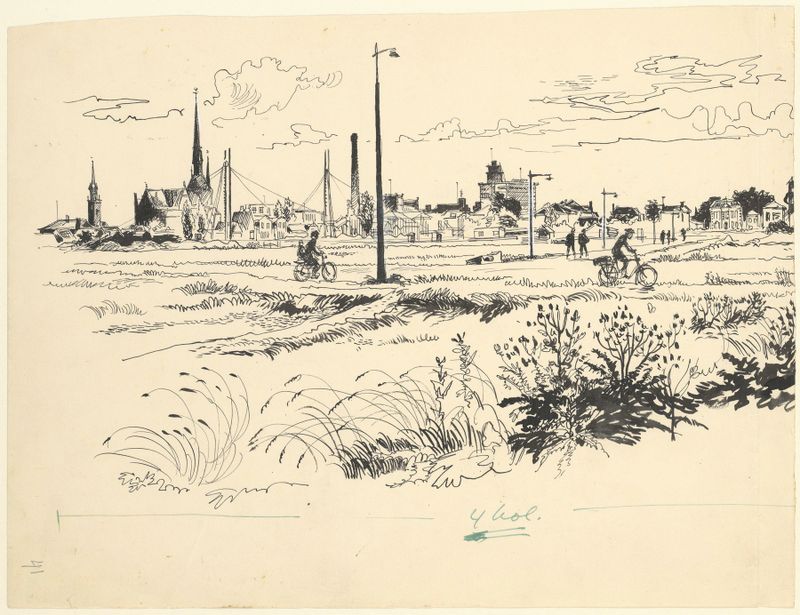
Gezicht op Koog aan de Zaan.
Maarten Oortwijn
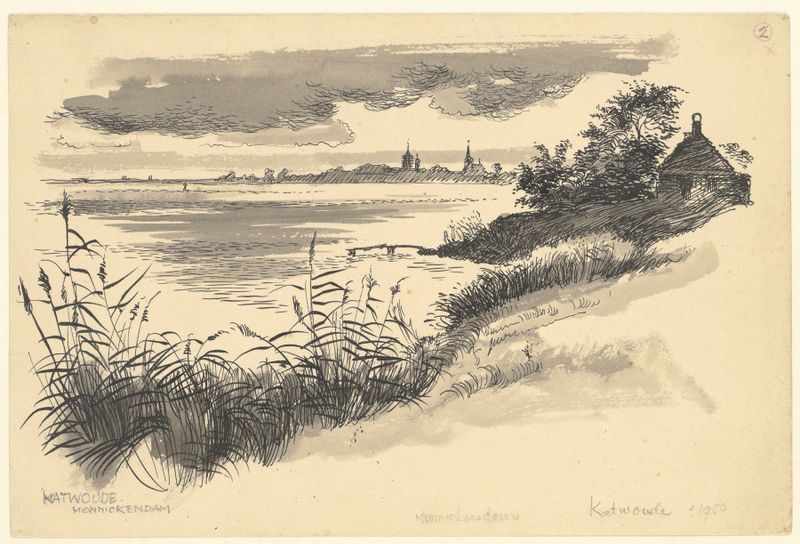
Gezicht vanuit Katwoude op Monnickendam
Maarten Oortwijn
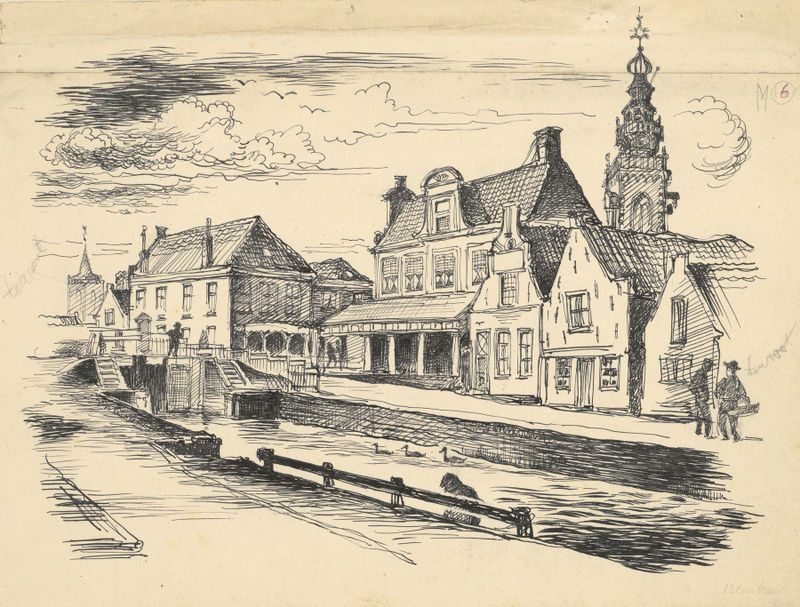
Gezicht vanaf de Gooische Kaai op de Waag
Maarten Oortwijn
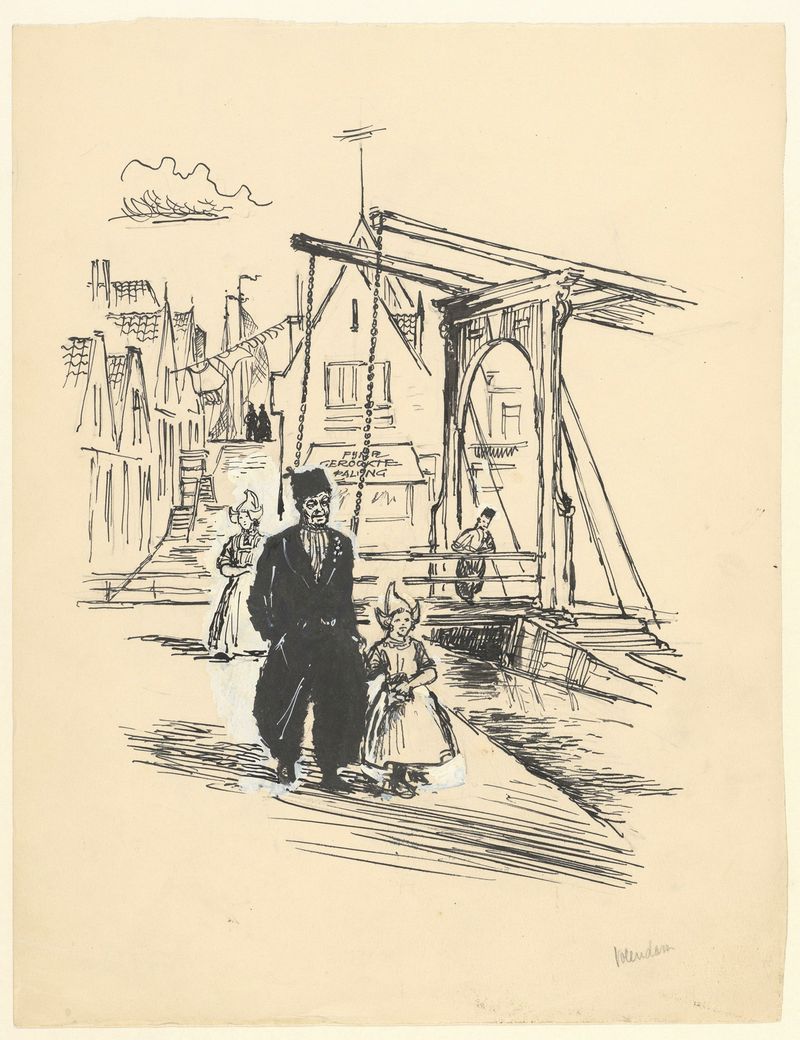
Gezicht te Volendam.
Maarten Oortwijn
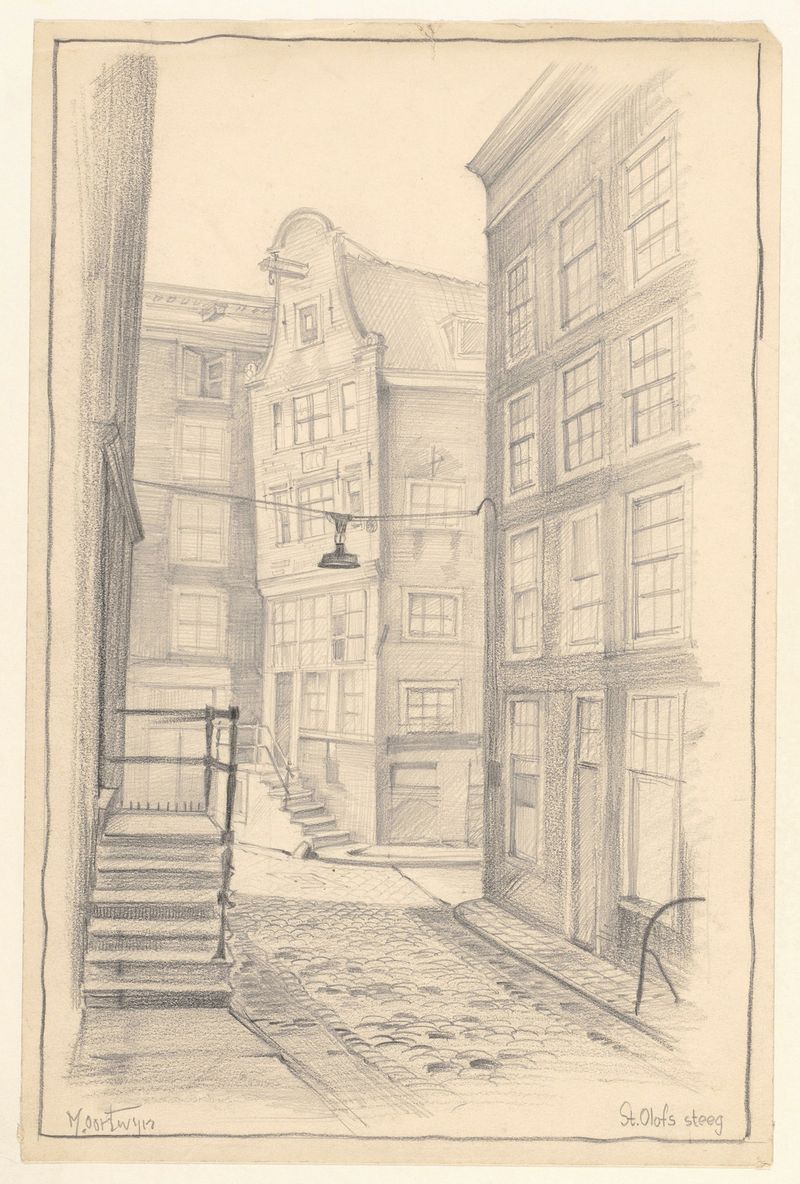
Gezicht in de St. Olofssteeg.
Maarten Oortwijn
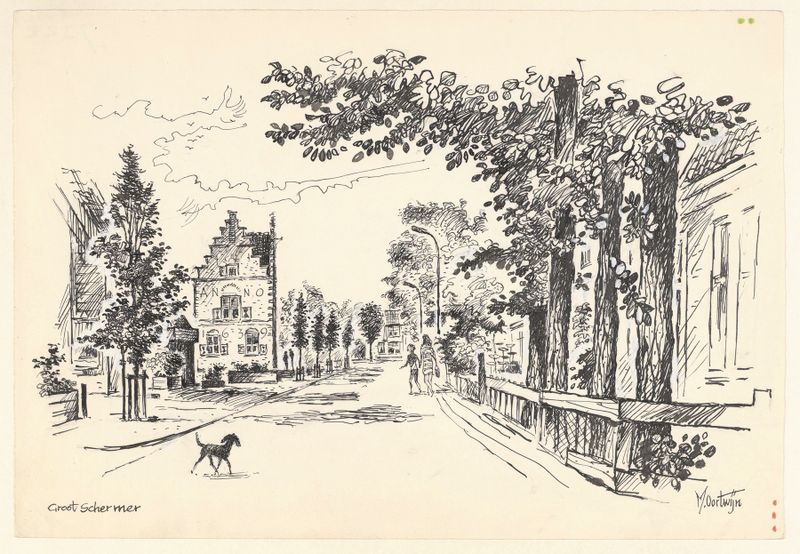
Gezicht te Grootschermer met het Raadhuis
Maarten Oortwijn
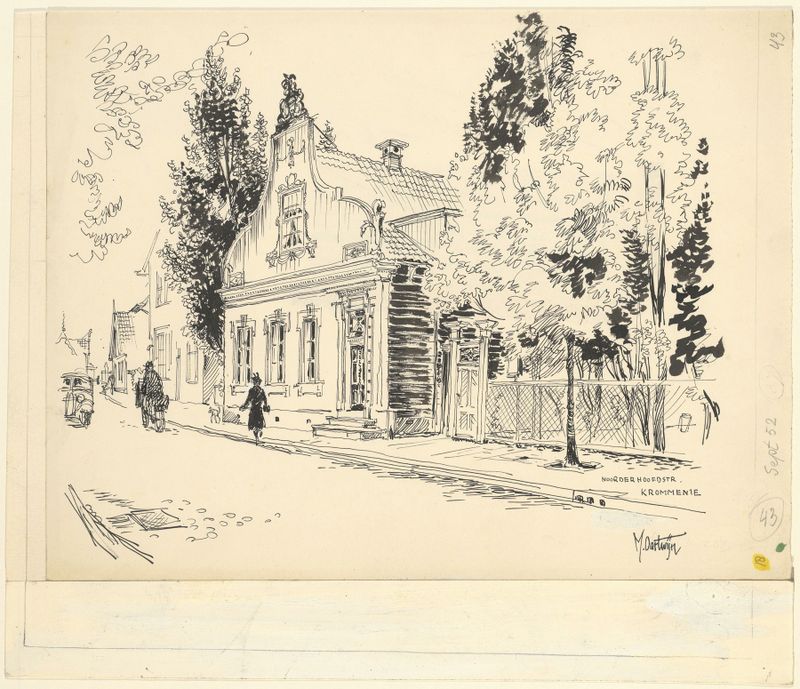
Gezicht in de Noorder
Maarten Oortwijn
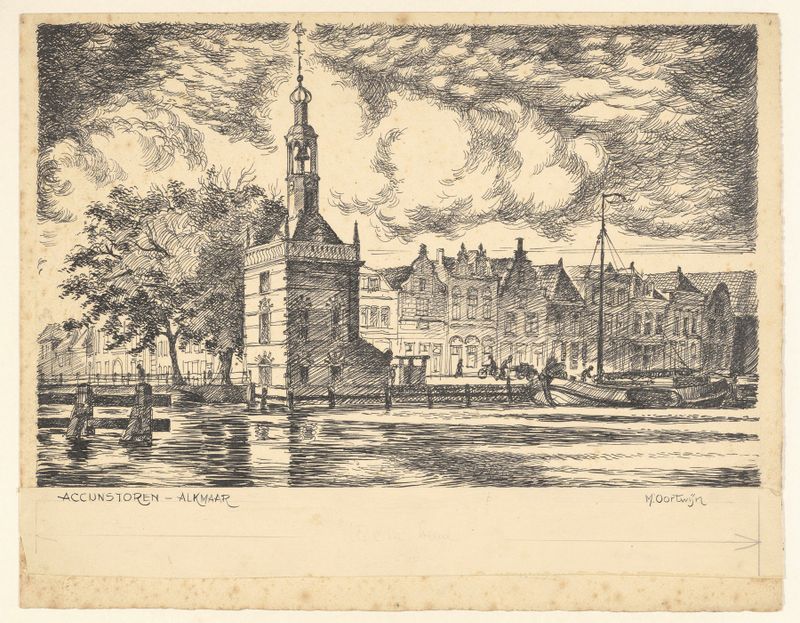
Gezicht op de Accijnstoren aan de Bierkade.
Maarten Oortwijn
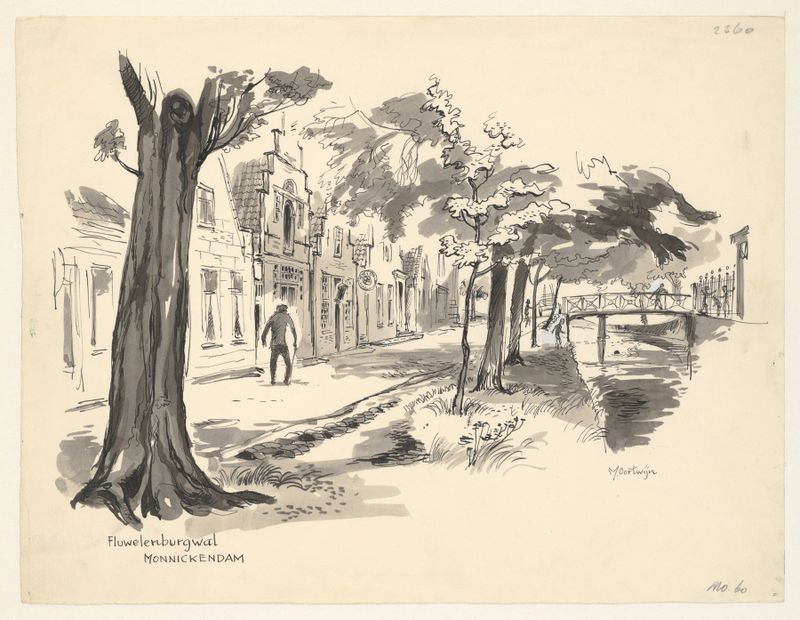
Fluwelenburgwal, Monnickendam
Maarten Oortwijn
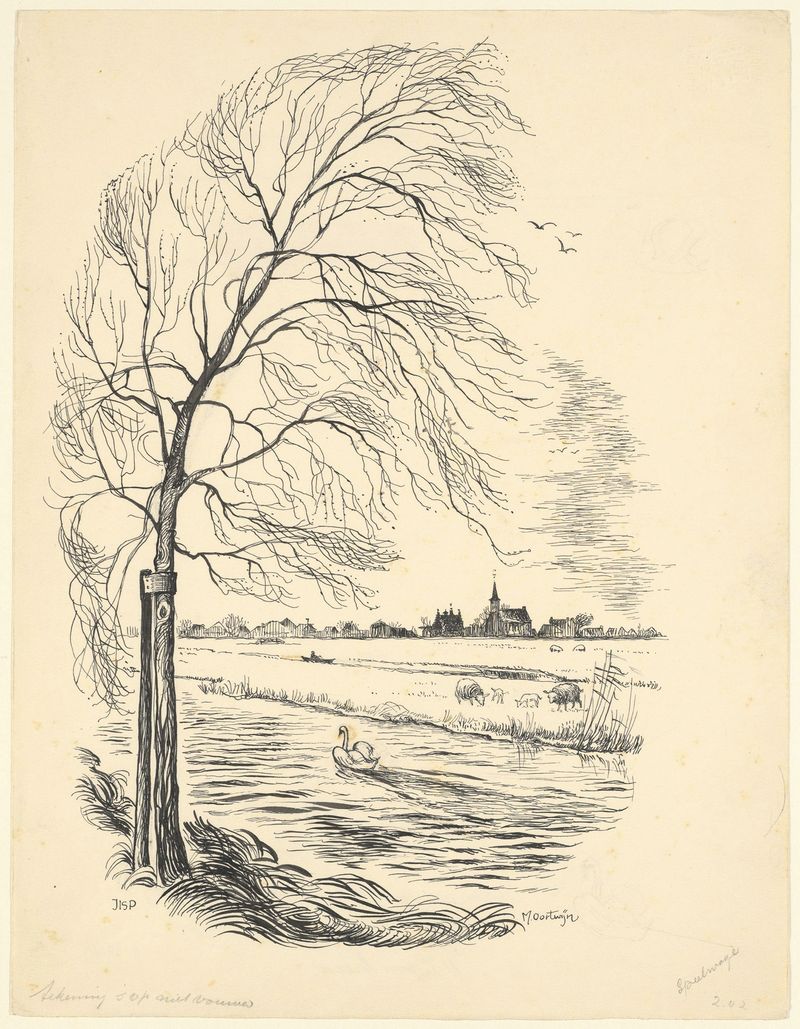
Gezicht op Jisp.
Maarten Oortwijn





