
Gezicht te Petten bij nacht. het eerste wachtlokaal — History & Facts
In the shadows of a world on the brink, the unspoken fears of the night linger, echoing the quiet dread that envelops our lives. Look closely at the dark expanse of the painting, where the horizon stretches into obscurity. Notice the interplay between light and shadow, a careful balance that captures the tension of an impending storm or perhaps a deeper unease. The artist employs a muted palette, drawing you into the haunting stillness of the scene, where the moon peeks through thick clouds, illuminating a solitary outpost.
Even the brush strokes vibrate with emotion, each stroke hinting at the tension woven into the very fabric of the night. Within this composition lies a profound exploration of isolation and vulnerability. The empty watchtower stands as a sentinel over an unknown expanse, symbolizing the fragility of safety and the anxiety that lurks just beyond the immediate. The moonlight, both illuminating and cold, evokes a sense of loneliness, while the encroaching darkness symbolizes the real and existential fears of the era.
It’s a canvas that embodies both a physical and psychological landscape, inviting the viewer to confront their own shadows. In 1939, the artist crafted this piece amid the rising tensions and uncertainties in Europe. Living in the Netherlands during a time when the grip of war was tightening, Oortwijn faced personal and artistic challenges. The art world was shifting, grappling with modernism and the impending chaos that would shape the continent.
This painting reflects not just his technical mastery, but a deeply felt response to the fears that loomed over society, making it a powerful testament to the human experience during tumultuous times.
More Artworks by Maarten Oortwijn
Browse all →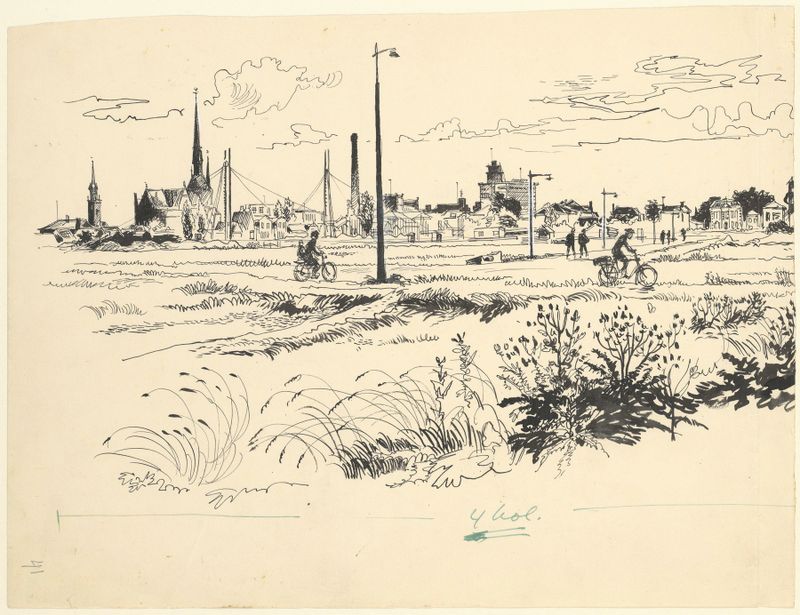
Gezicht op Koog aan de Zaan.
Maarten Oortwijn
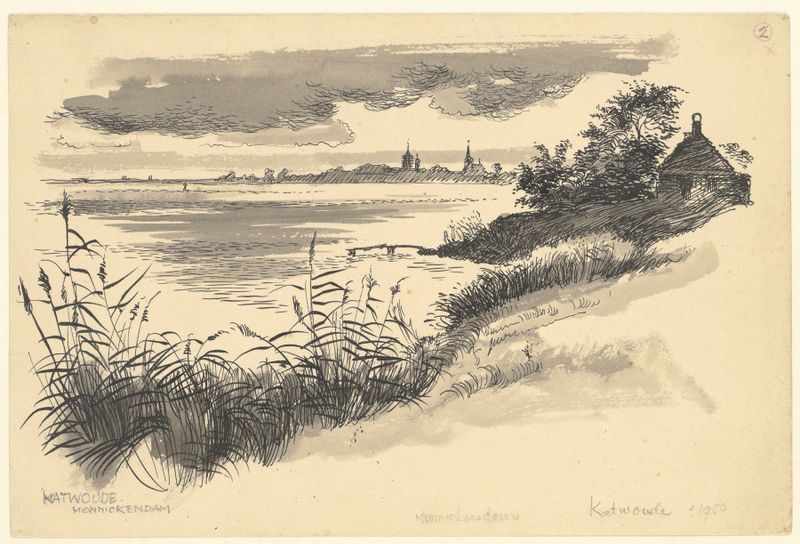
Gezicht vanuit Katwoude op Monnickendam
Maarten Oortwijn
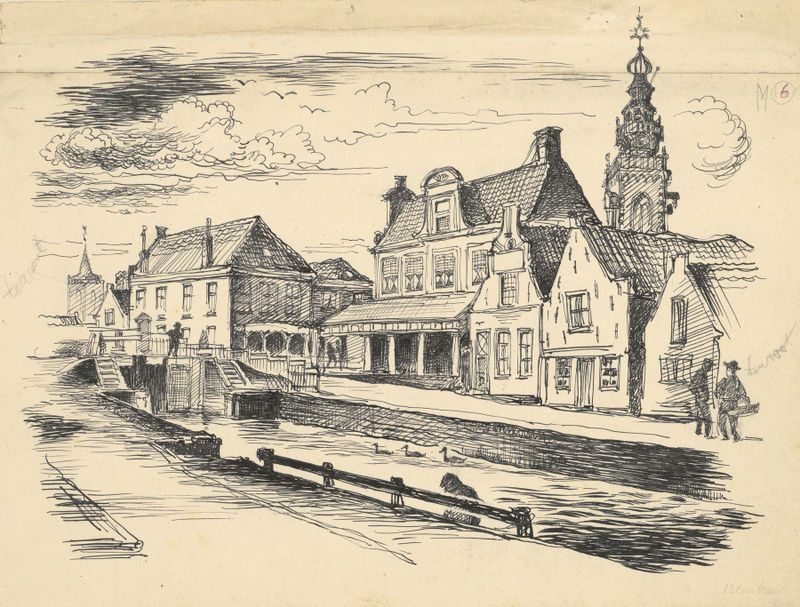
Gezicht vanaf de Gooische Kaai op de Waag
Maarten Oortwijn
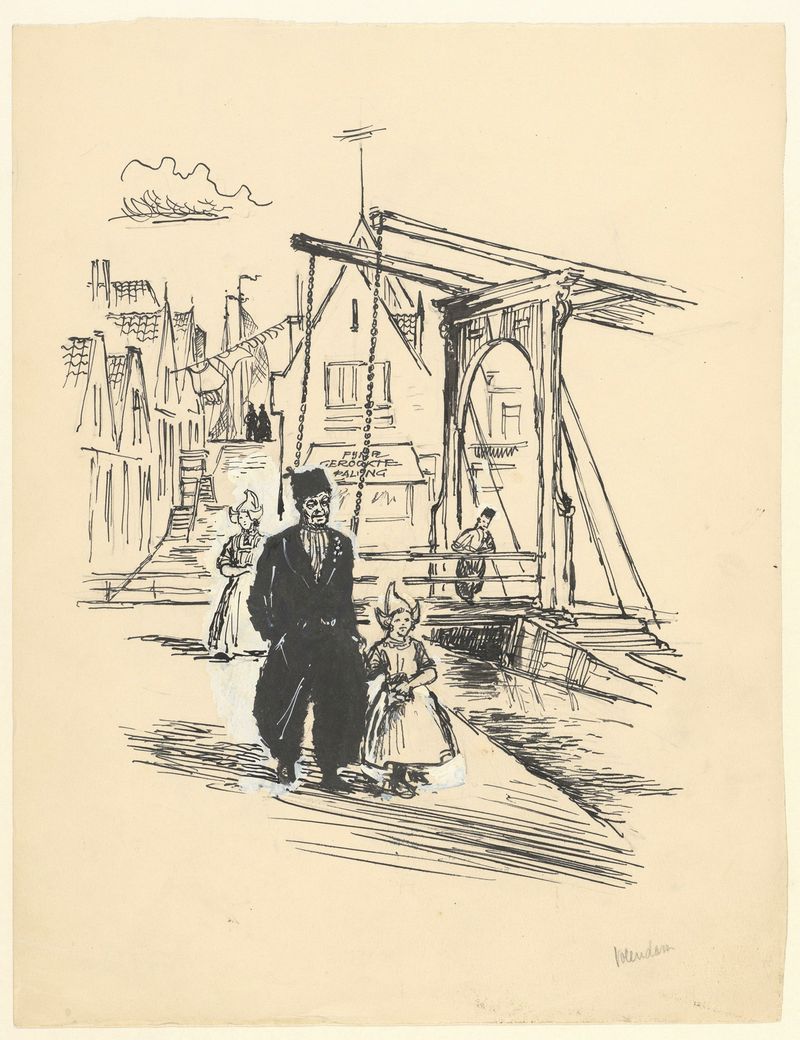
Gezicht te Volendam.
Maarten Oortwijn
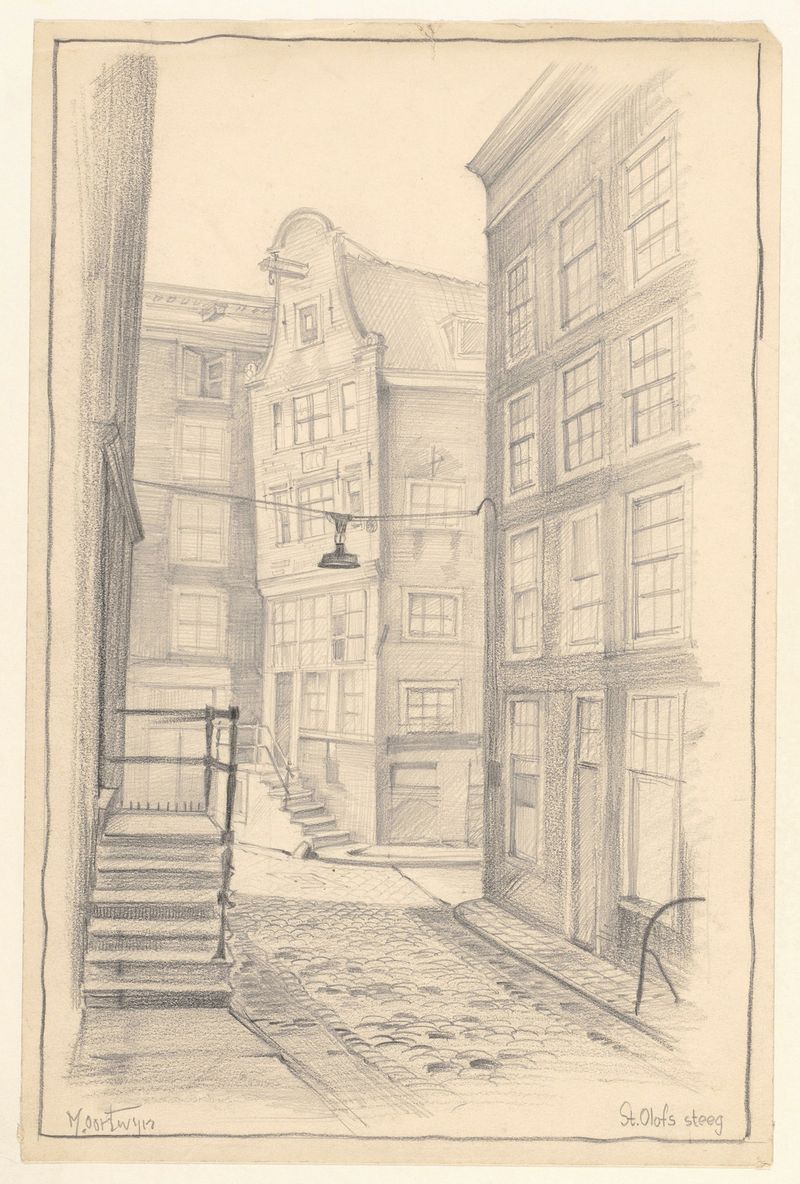
Gezicht in de St. Olofssteeg.
Maarten Oortwijn
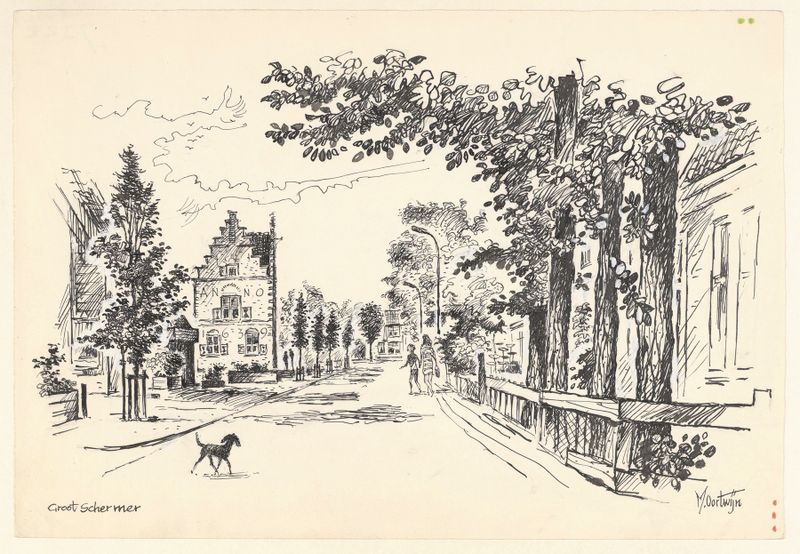
Gezicht te Grootschermer met het Raadhuis
Maarten Oortwijn
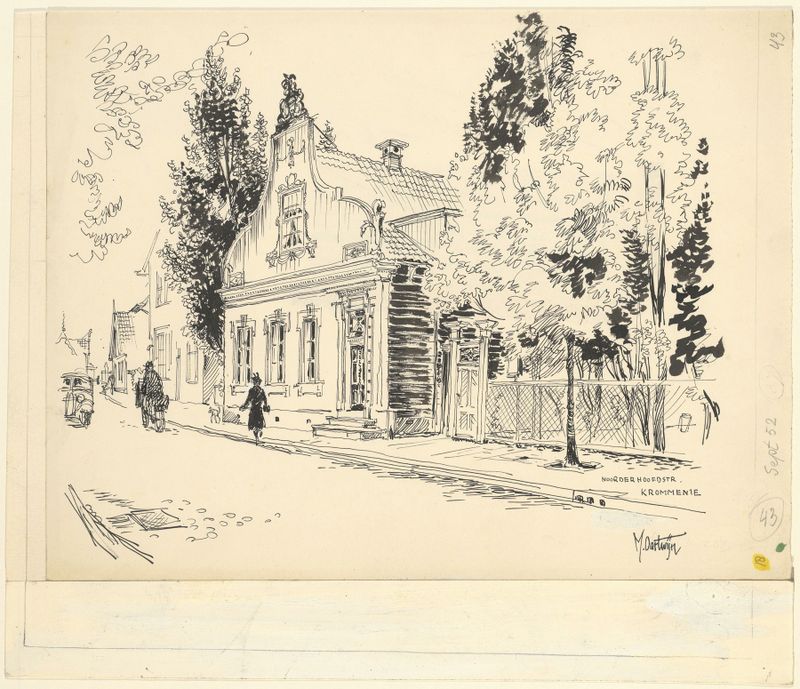
Gezicht in de Noorder
Maarten Oortwijn
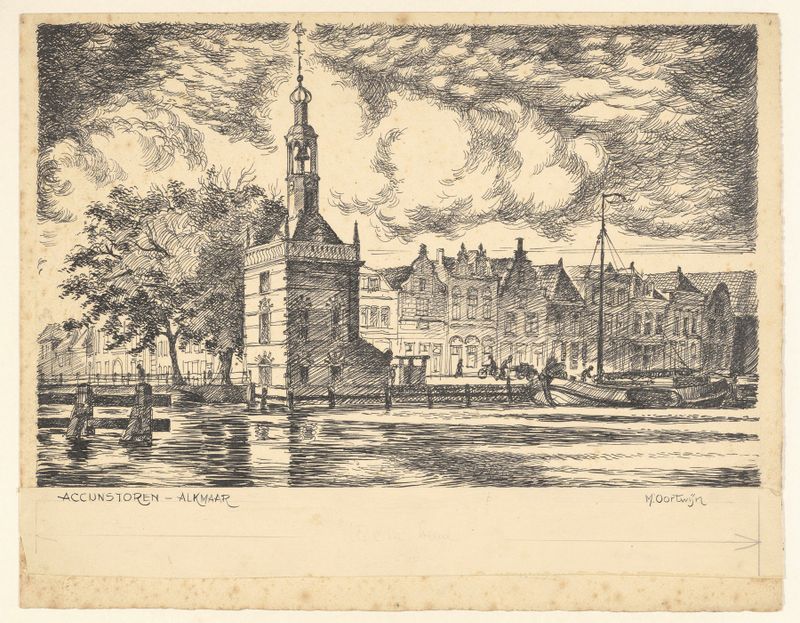
Gezicht op de Accijnstoren aan de Bierkade.
Maarten Oortwijn
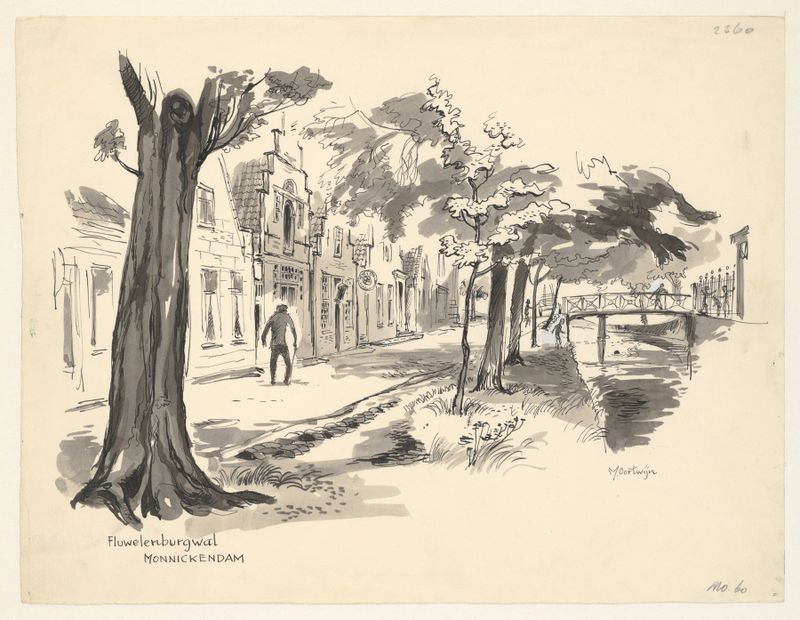
Fluwelenburgwal, Monnickendam
Maarten Oortwijn
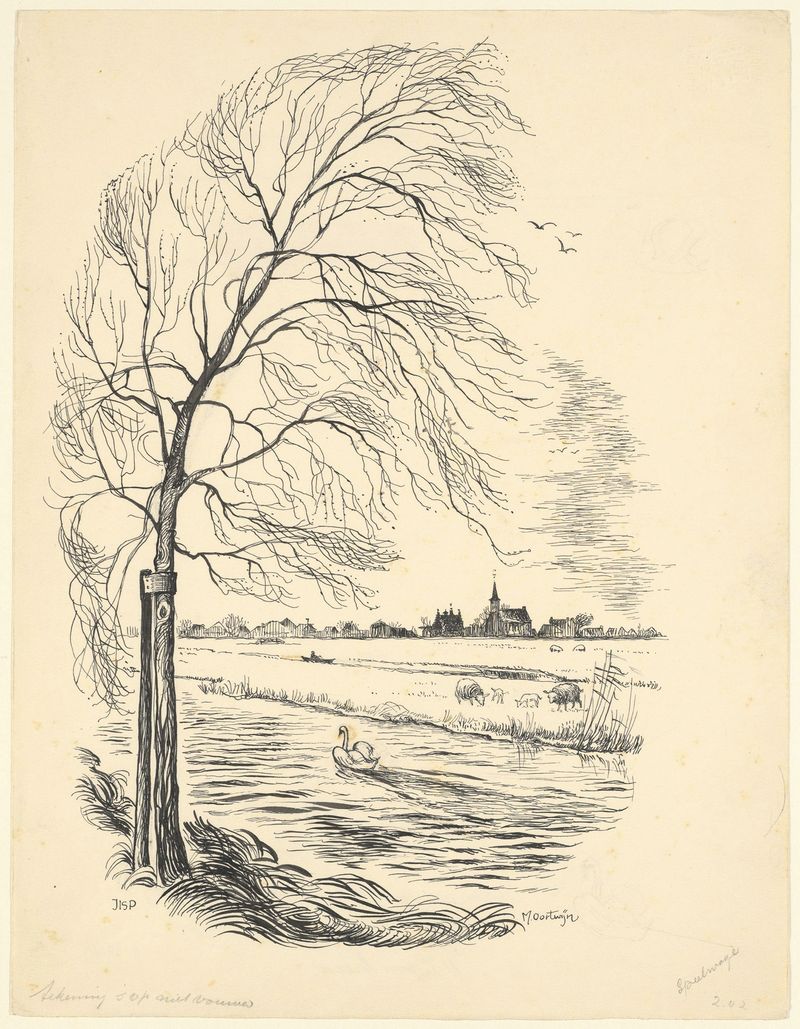
Gezicht op Jisp.
Maarten Oortwijn





