
Gezicht vanuit de Waag. — History & Facts
This sentiment echoes through the quiet spaces of Gezicht vanuit de Waag, where the balance between nostalgia and melancholy creates an emotional landscape that lingers. Look to the center of the canvas, where soft strokes and muted colors blend to evoke a sense of place yet lost. The Waag, its architectural grandeur captured with a gentle hand, stands resolute against a backdrop of elusive shadows. Notice how the pale blue sky converses with the warm earth tones of the building, bathing it in a reflective light that both highlights and softens its features, inviting the viewer into a moment suspended in time. As your eyes wander, you can’t help but perceive the tension between the solid structure and the fluid brushwork around it.
The trees on the periphery bend slightly, as if caught in a wistful breeze, while the cobblestone paths suggest stories of countless footsteps that have wandered there. This interplay evokes a bittersweet longing, each element resonating with the collective memory of life that once thrived in its presence. During the period between 1950 and 1970, Maarten Oortwijn found himself deeply engaged in the Dutch art scene, grappling with post-war themes of rebuilding and reflection. Emerging from the shadows of conflict, he sought to capture the essence of his surroundings in a time of transformation, creating works that spoke to both the beauty and sorrow of a changing world.
More Artworks by Maarten Oortwijn
Browse all →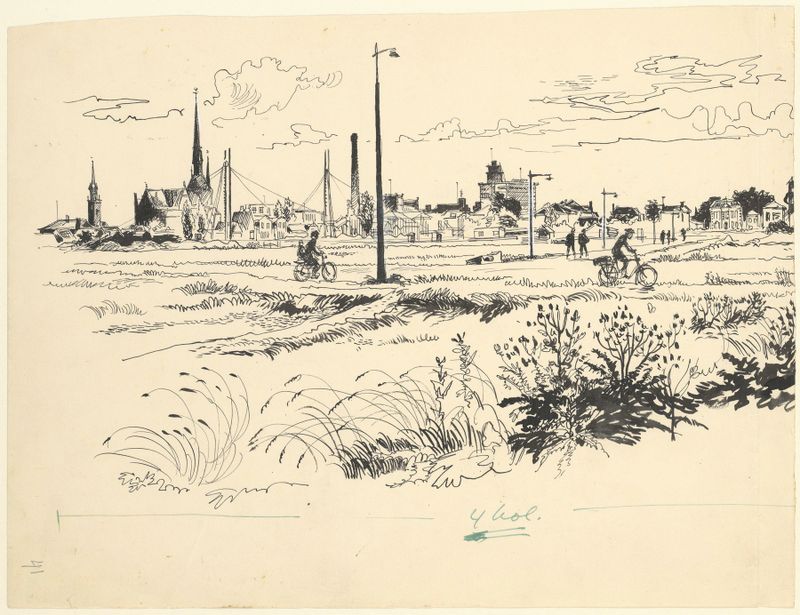
Gezicht op Koog aan de Zaan.
Maarten Oortwijn
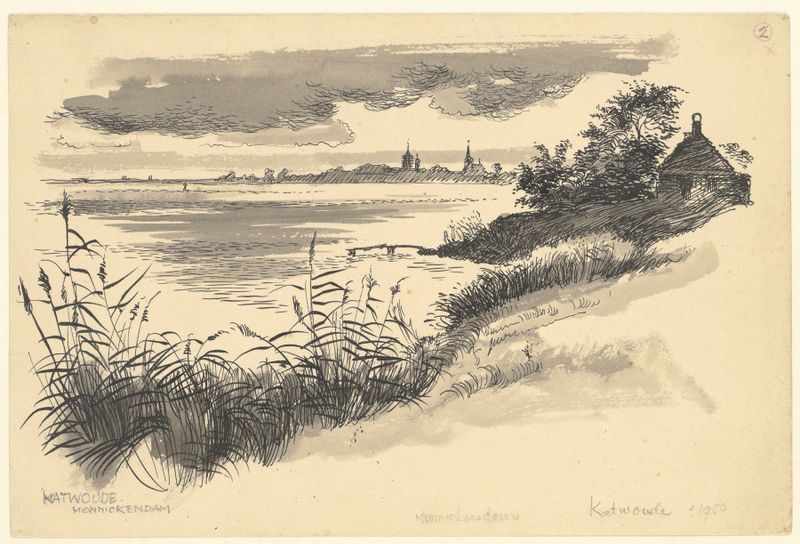
Gezicht vanuit Katwoude op Monnickendam
Maarten Oortwijn
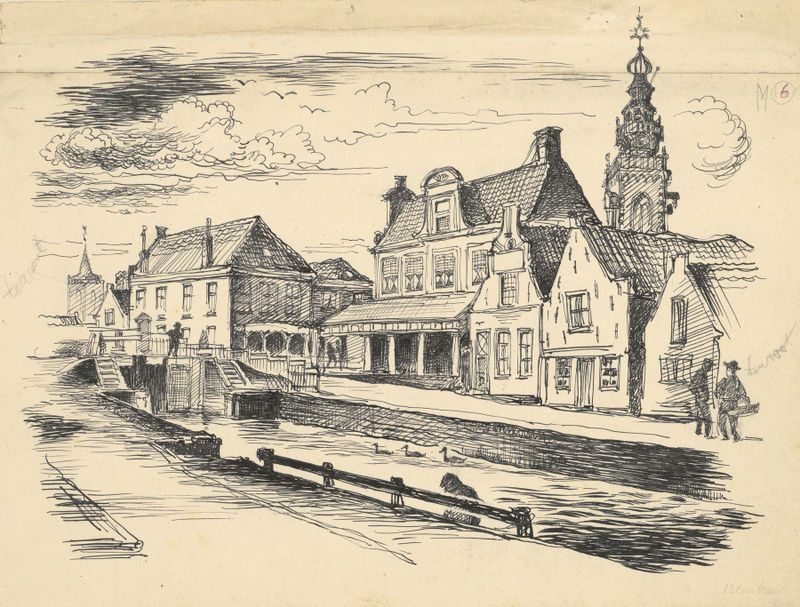
Gezicht vanaf de Gooische Kaai op de Waag
Maarten Oortwijn
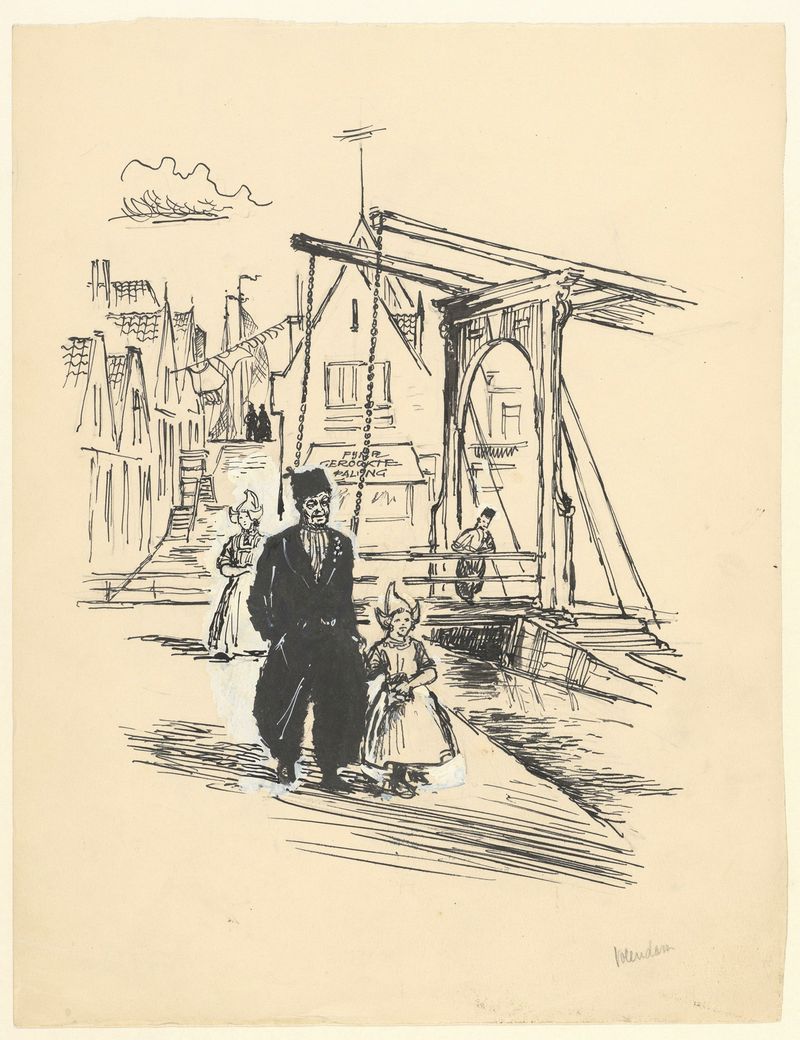
Gezicht te Volendam.
Maarten Oortwijn
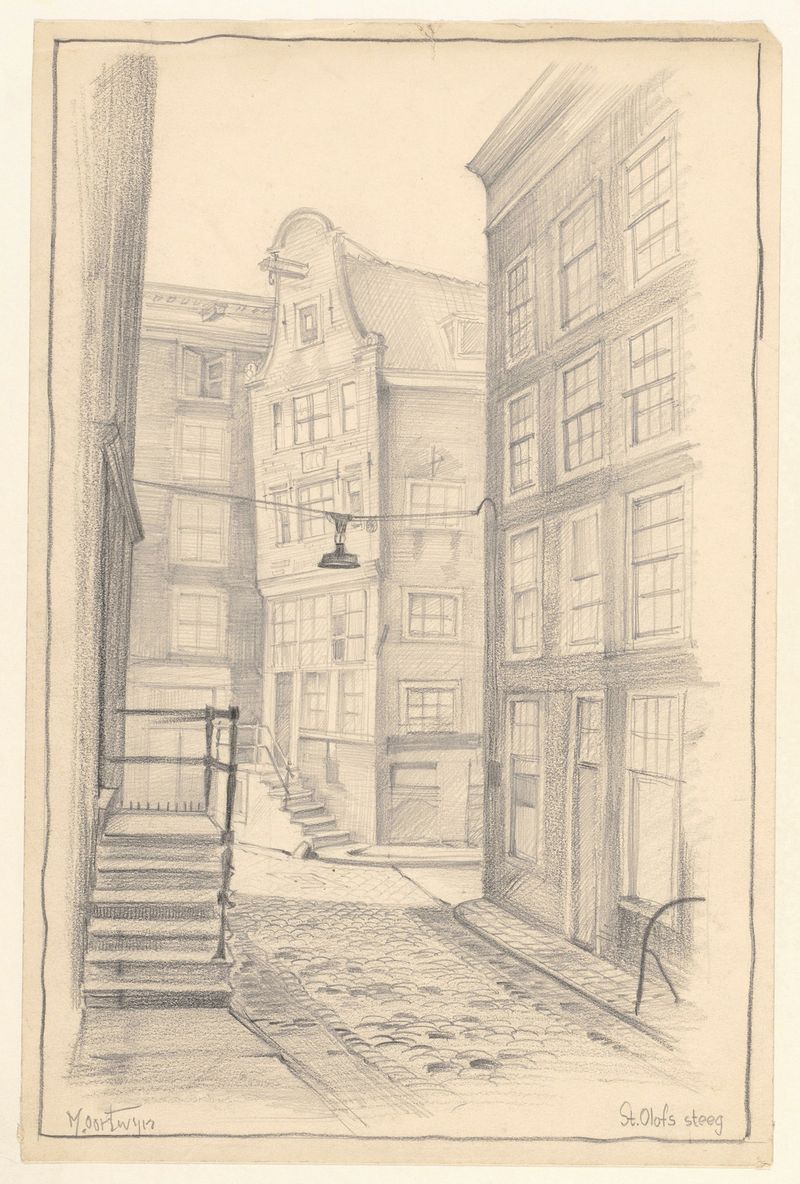
Gezicht in de St. Olofssteeg.
Maarten Oortwijn
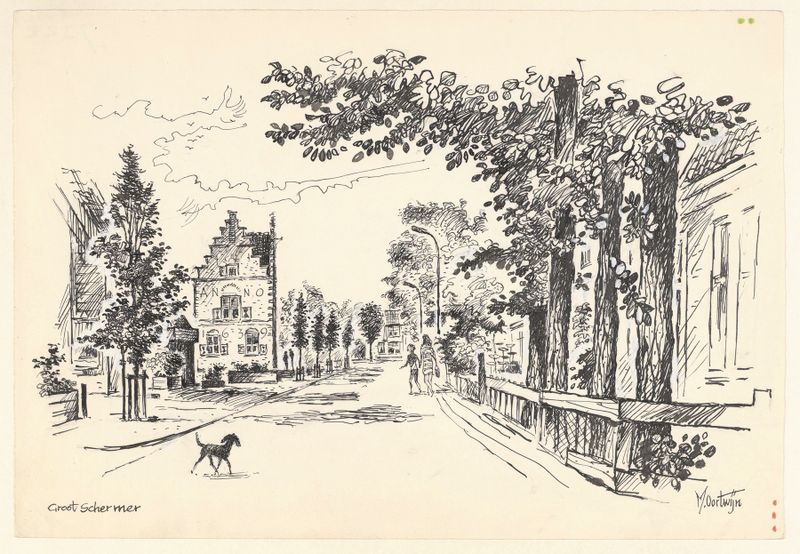
Gezicht te Grootschermer met het Raadhuis
Maarten Oortwijn
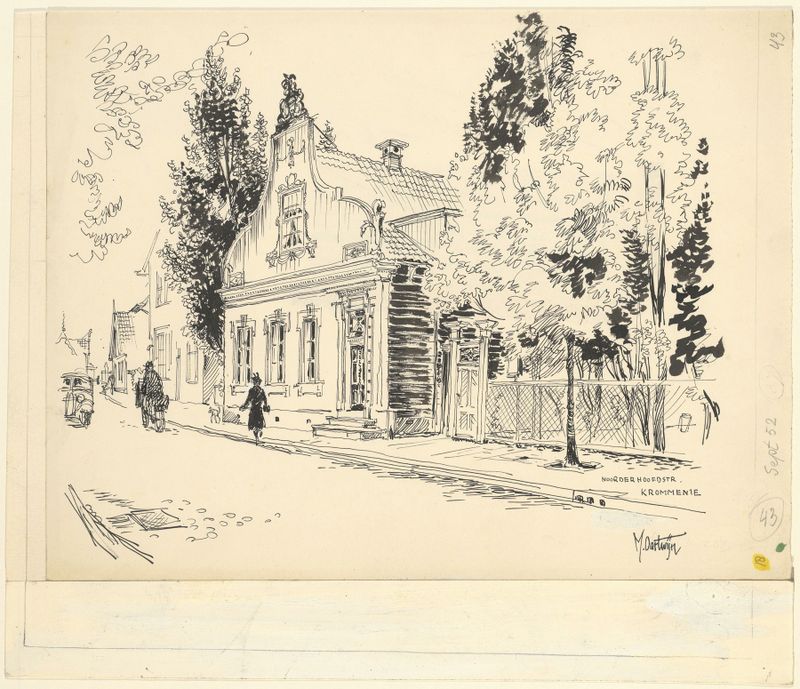
Gezicht in de Noorder
Maarten Oortwijn
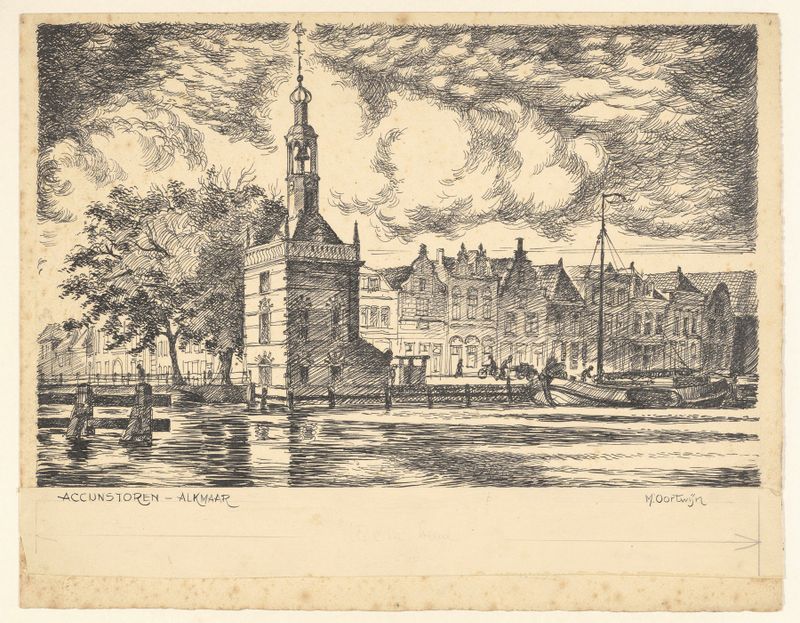
Gezicht op de Accijnstoren aan de Bierkade.
Maarten Oortwijn
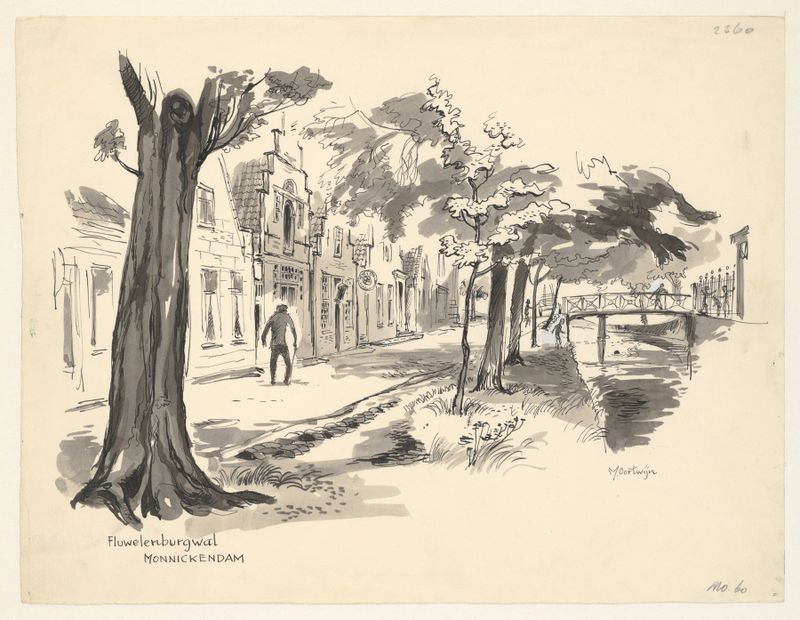
Fluwelenburgwal, Monnickendam
Maarten Oortwijn
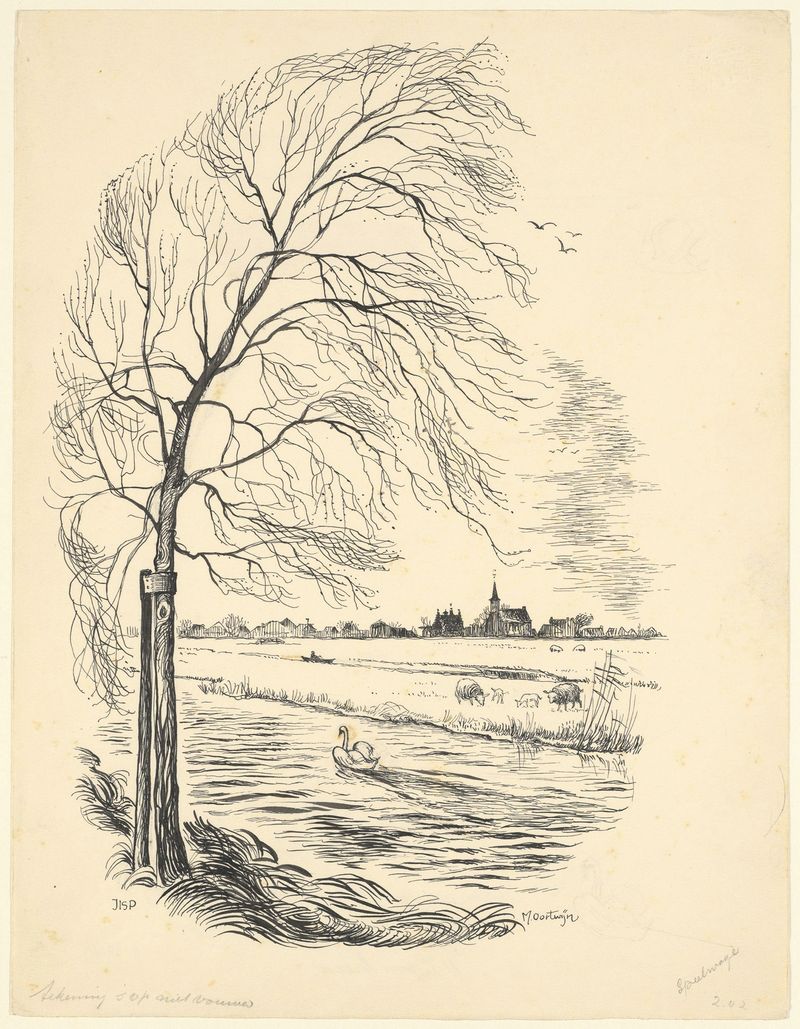
Gezicht op Jisp.
Maarten Oortwijn





