Ghanta — History & Facts
Grief, in its raw form, speaks through the silence of forgotten moments captured in time. The unrelenting passage of life often erases our most cherished memories, yet art preserves them, whispering their stories through hues and textures. Focus on the intricate details of Ghanta, where every line and curve invites you to explore its depths. Notice the way the metallic sheen catches the light, illuminating the object’s solemn beauty.
The muted color palette evokes a sense of nostalgia, while the craftsmanship reveals an artist who poured their soul into the creation, each element harmonizing to express a profound emotional resonance. Beneath the surface, the artwork holds layers of meaning. The bell, a symbol of both remembrance and loss, resonates with the weight of sorrow. The juxtaposition of its sturdy form against the delicate engravings offers a visual tension, suggesting that strength can exist alongside vulnerability.
This duality reflects the human experience, where joy and grief often coexist, intertwined in a complex dance of memory. Created between 900 and 1600, Ghanta emerges from a time when artists were beginning to explore the deeper emotional landscapes of existence. The identity of the artist remains a mystery, yet this period was marked by significant shifts in cultural expression, as the world began to embrace art as a medium for capturing the complexities of life and loss. The echoes of their time continue to resonate in every nuanced stroke, inviting reflection from generations beyond their own.
More Artworks by Unknown Artist
Browse all →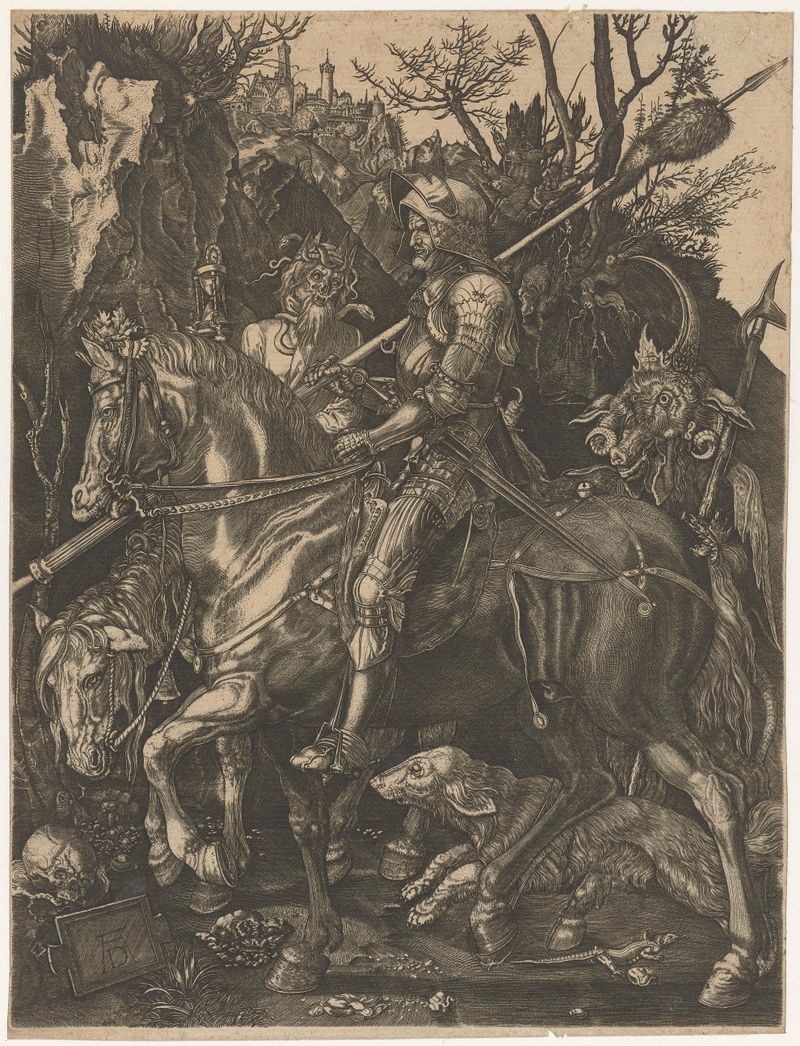
Ridder, Dood en Duivel
Unknown Artist
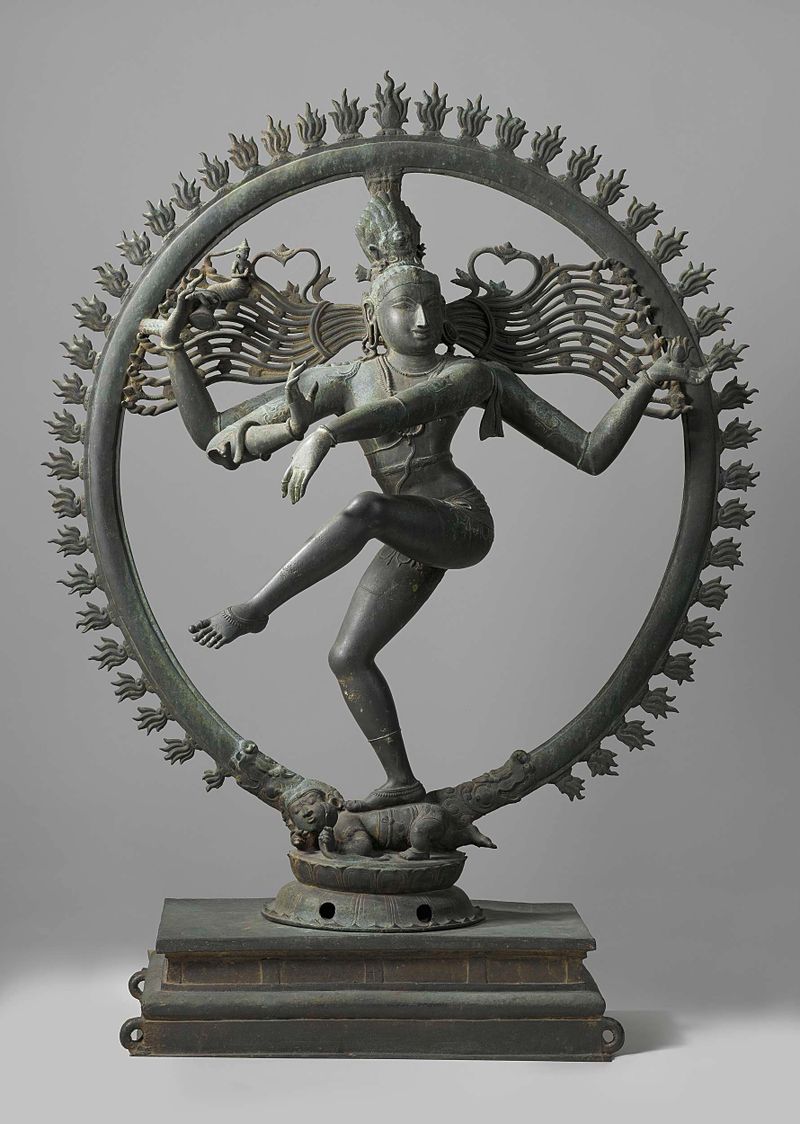
Shiva Nataraja
Unknown Artist
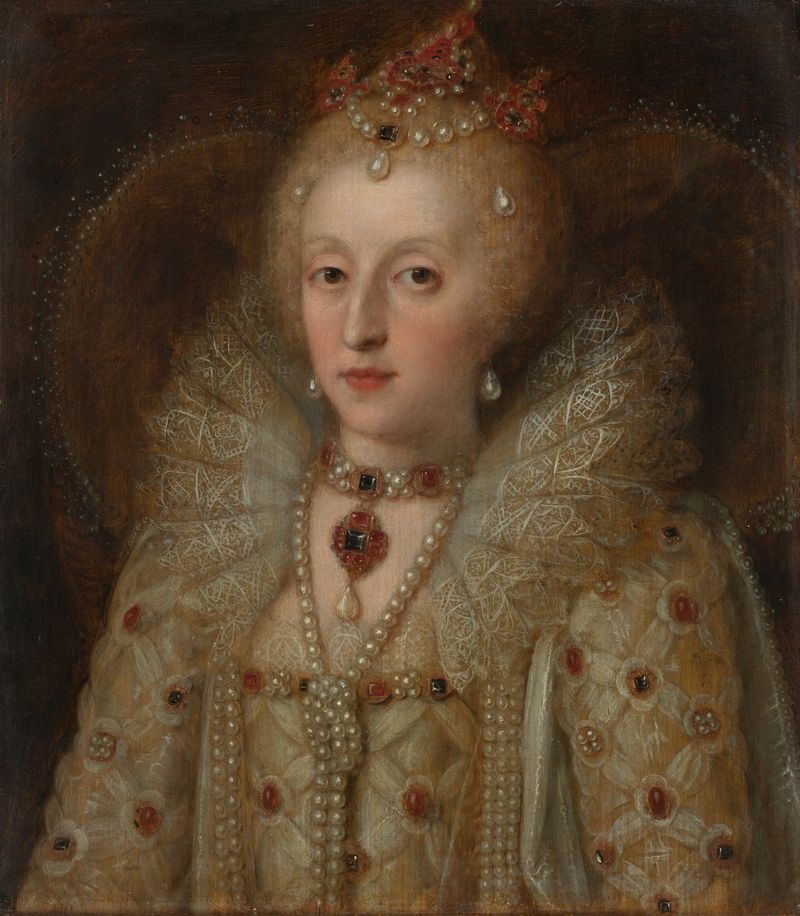
Portrait of Elizabeth I, Queen of England
Unknown Artist
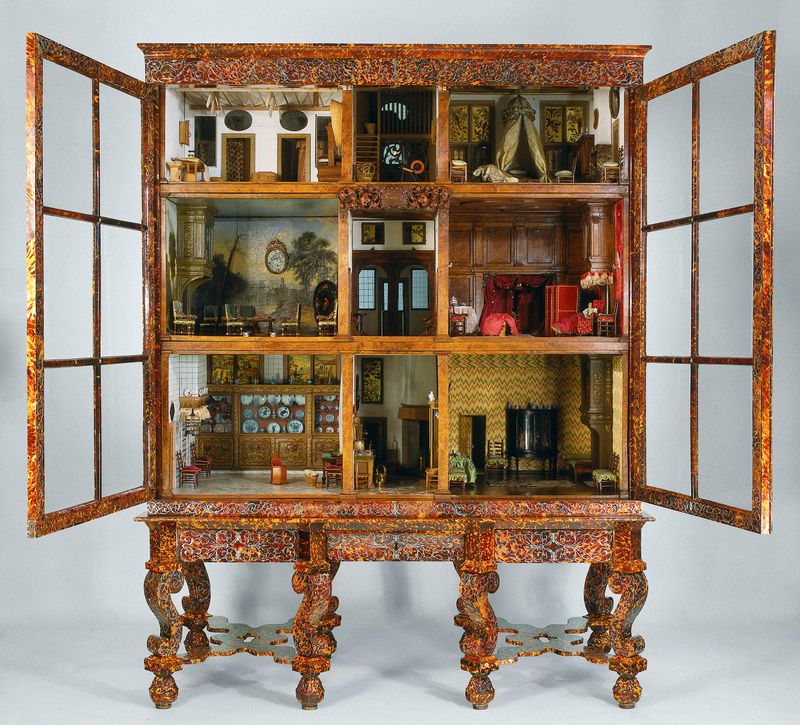
Dolls’ house of Petronella Oortman
Unknown Artist
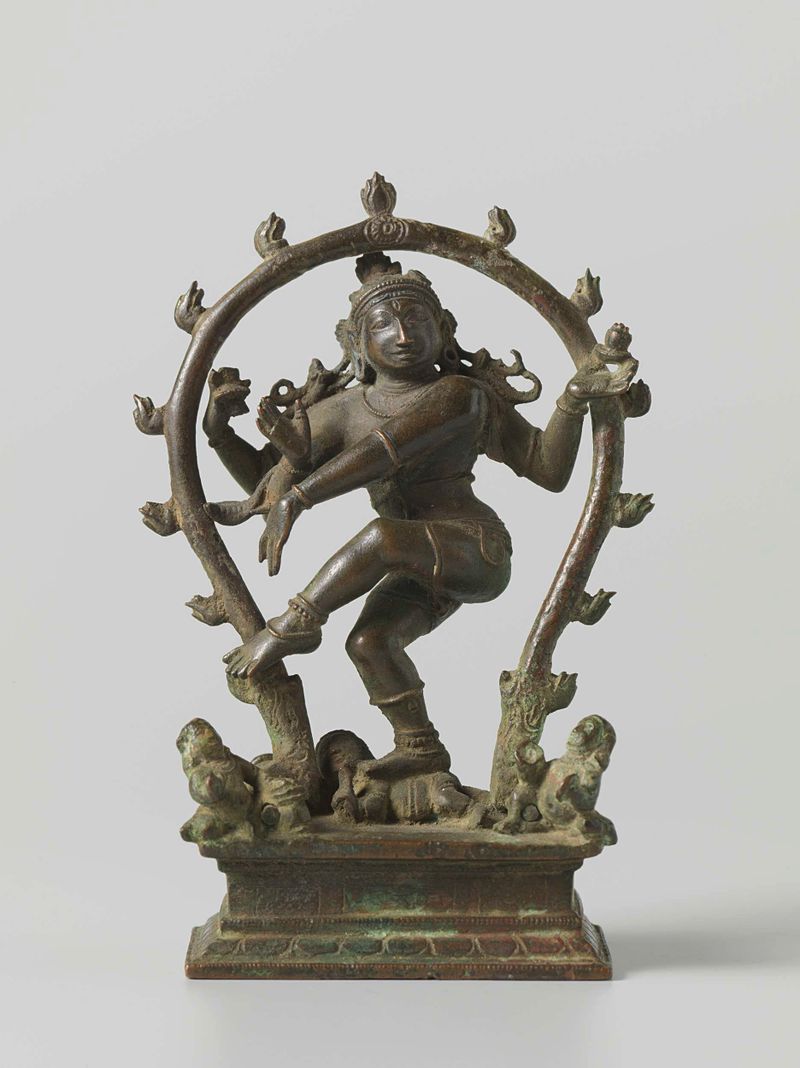
Shiva Nataraja
Unknown Artist

The Tale of Genji
Unknown Artist

The Tale of Genji
Unknown Artist

Cong
Unknown Artist
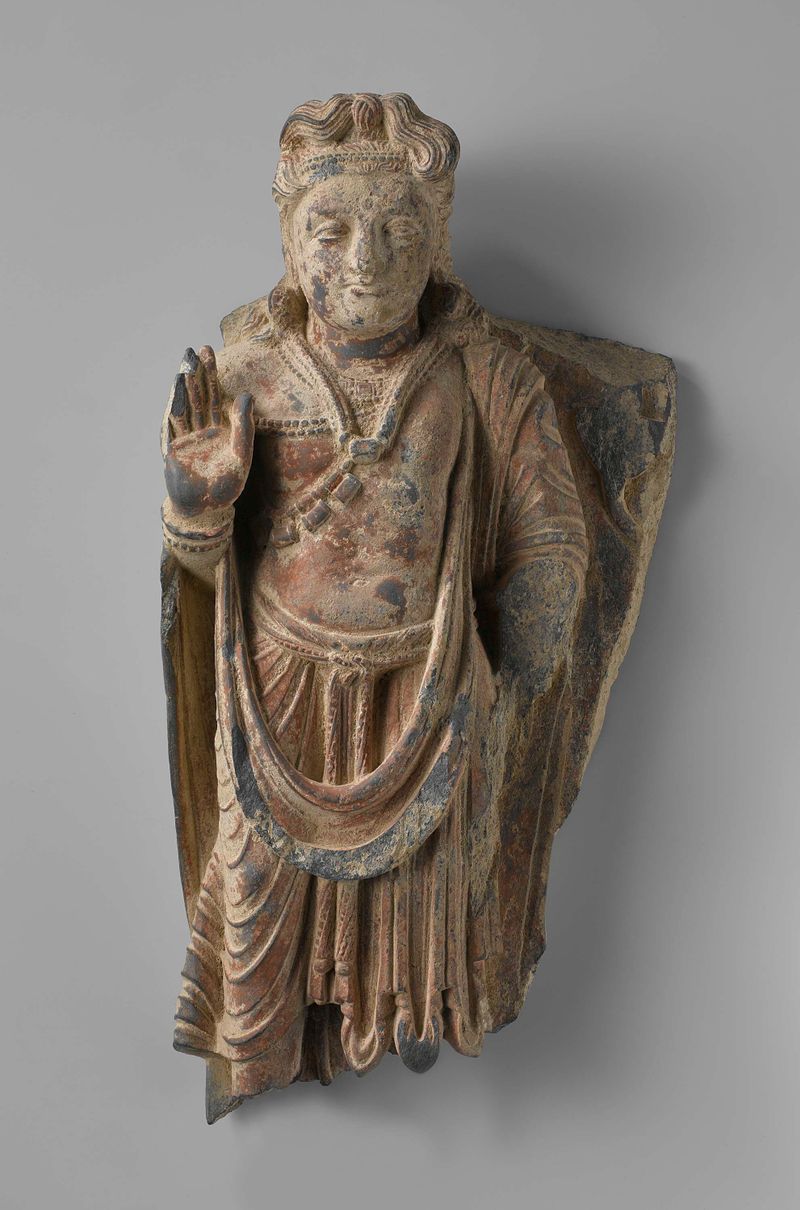
The bodhisattva Maitreya
Unknown Artist

Teabowl with a 'hare's fur' glaze
Unknown Artist