
Gideon en het vlies — History & Facts
When did color learn to lie? Beneath the vibrant hues in Gideon en het vlies, hope flickers like a candle in a storm, its light both inviting and treacherous. Look closely at the central figure, Gideon, his outstretched hand grasping the golden fleece that glimmers with the promise of divine assurance. The rich, earthy tones envelop him, setting a stark contrast against the ethereal radiance of the fleece. Notice how the artist employs meticulous brushwork to create texture, making the wool appear almost tangible, as if it could leap from the canvas.
The composition draws your gaze toward the tension in Gideon’s expression, caught between faith and doubt, illuminated by the play of light that dances across his features. Deceptive layers of meaning unfold in this artwork. The fleece symbolizes a test of faith—a call to trust in the unseen—and Gideon’s stance reveals the struggle of belief. The juxtaposition of warm and cool colors echoes the emotional turmoil within him, highlighting the clash between hope and trepidation.
A subtle shadow cast behind him hints at the burdens of expectation and the weight of decision, suggesting that even the brightest promise can cast a long shadow of uncertainty. The artist, whose identity remains cloaked in history, created Gideon en het vlies between 1525 and 1530 during a period of significant artistic evolution in Northern Europe. This era was marked by the rise of humanism, where art began to explore deeper emotional landscapes and personal narratives. The artist’s choice to capture this biblical scene reflects the society’s desire for spiritual reassurance amidst the complexities of the human experience.
More Artworks by Unknown Artist
Browse all →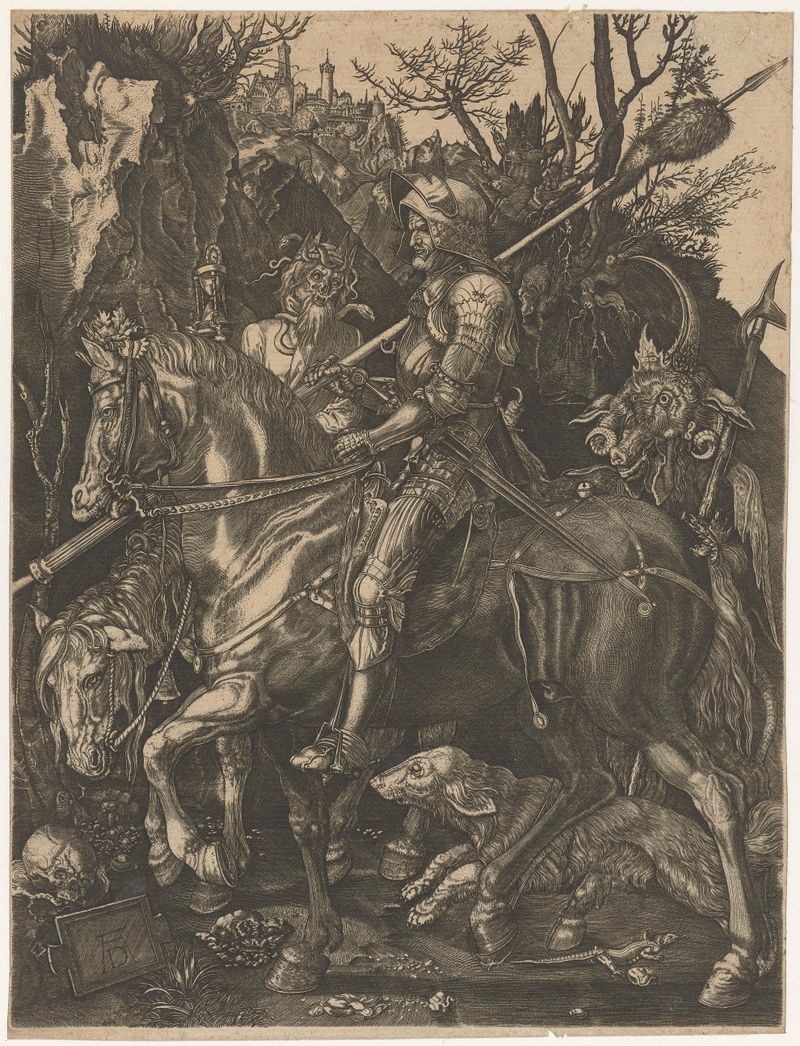
Ridder, Dood en Duivel
Unknown Artist
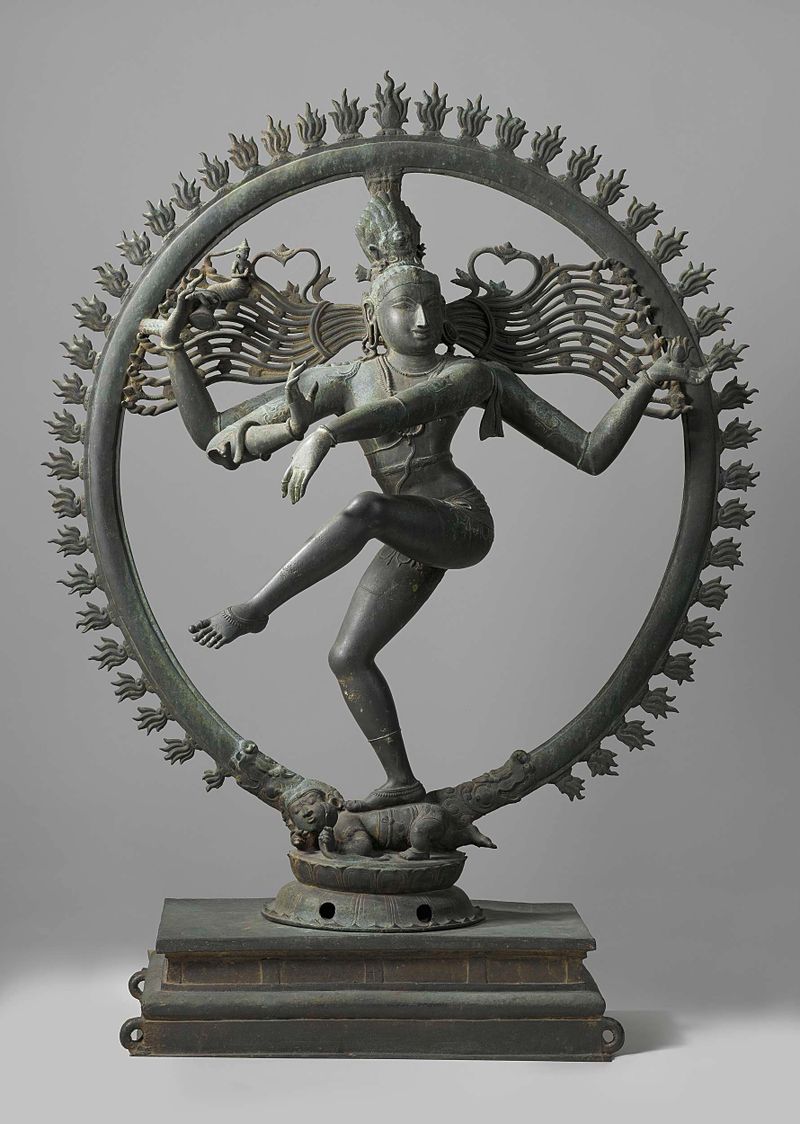
Shiva Nataraja
Unknown Artist
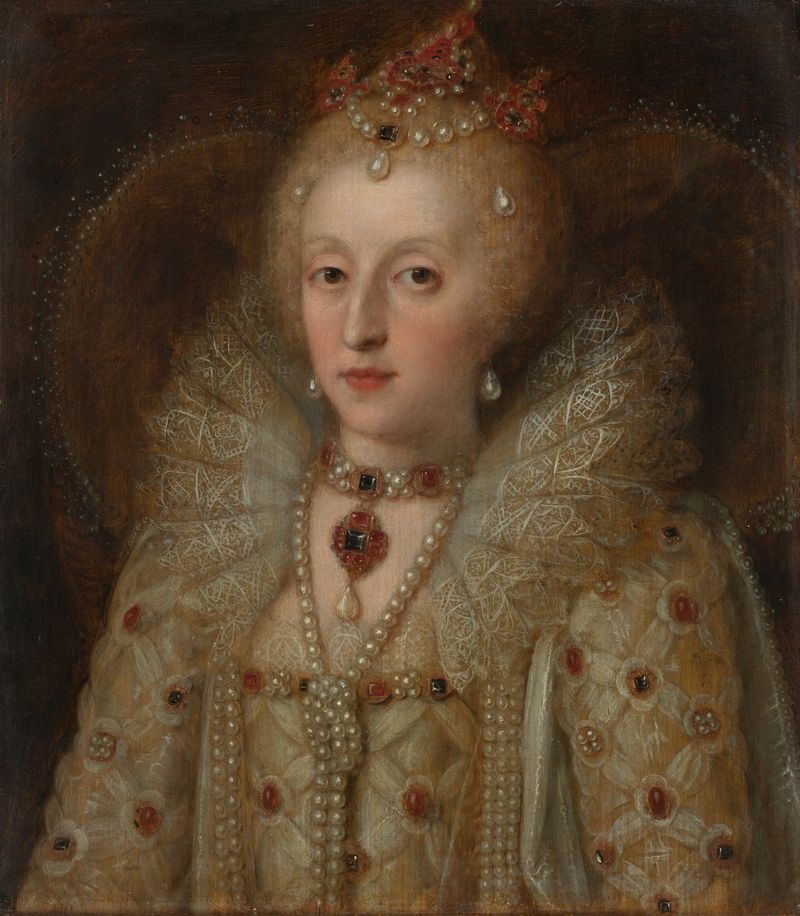
Portrait of Elizabeth I, Queen of England
Unknown Artist
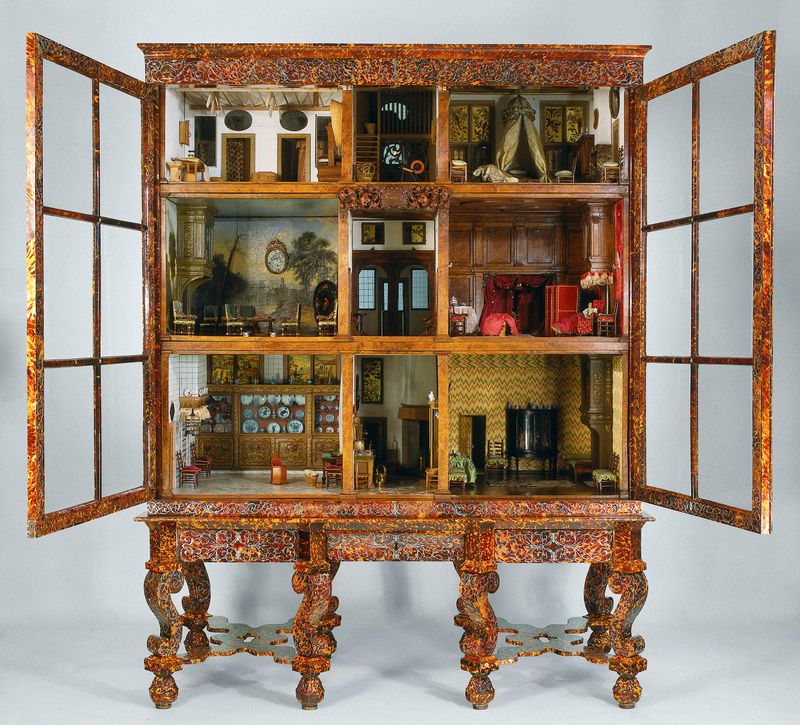
Dolls’ house of Petronella Oortman
Unknown Artist
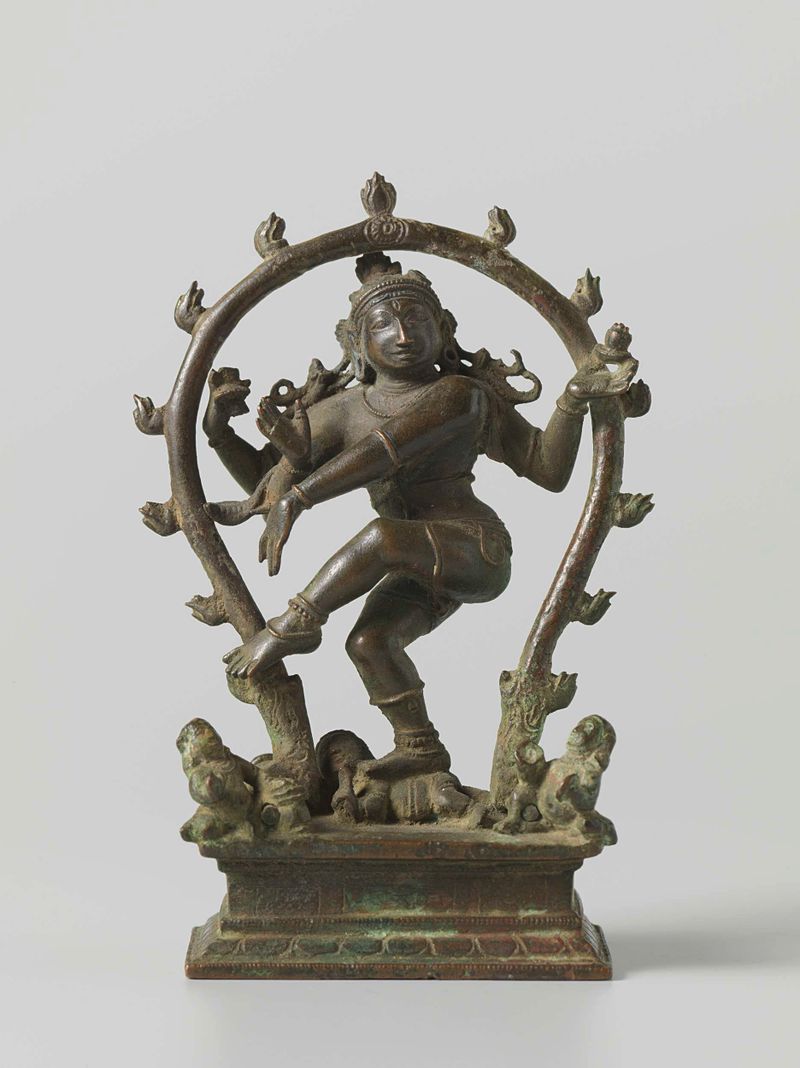
Shiva Nataraja
Unknown Artist

The Tale of Genji
Unknown Artist

The Tale of Genji
Unknown Artist
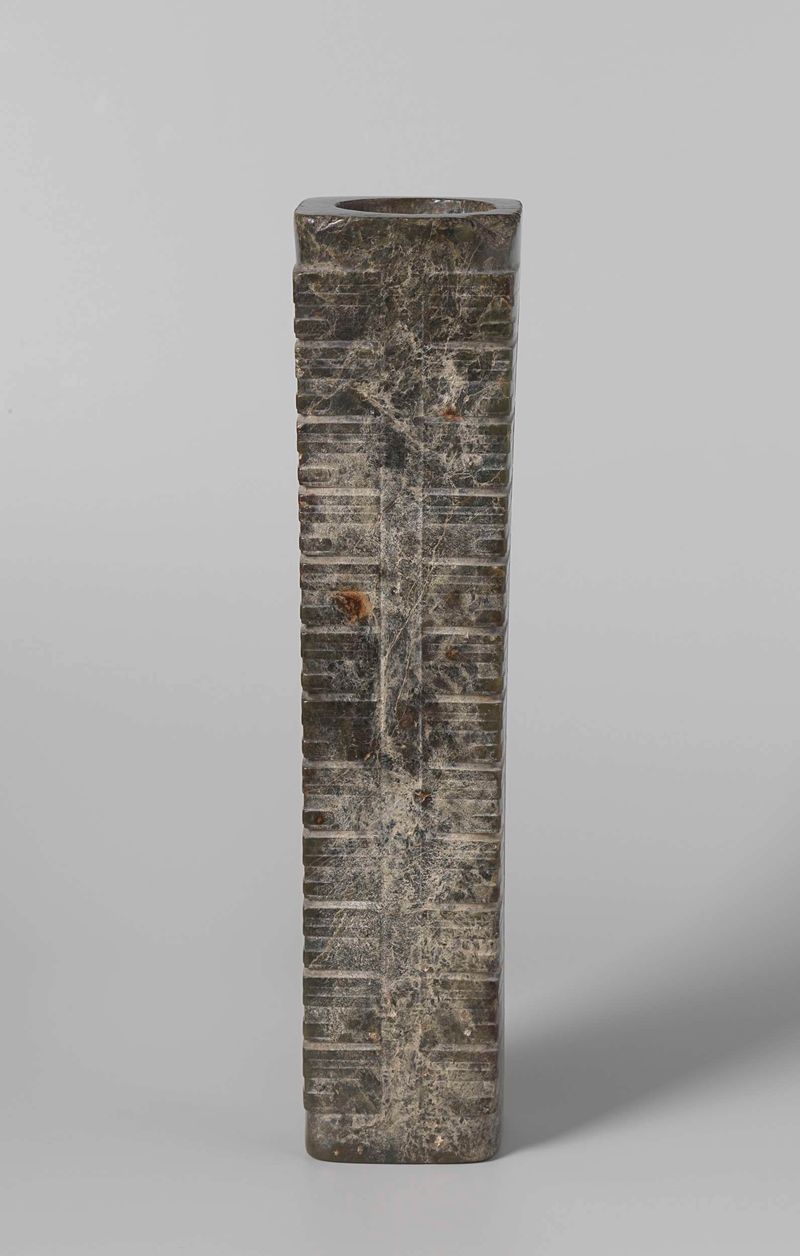
Cong
Unknown Artist
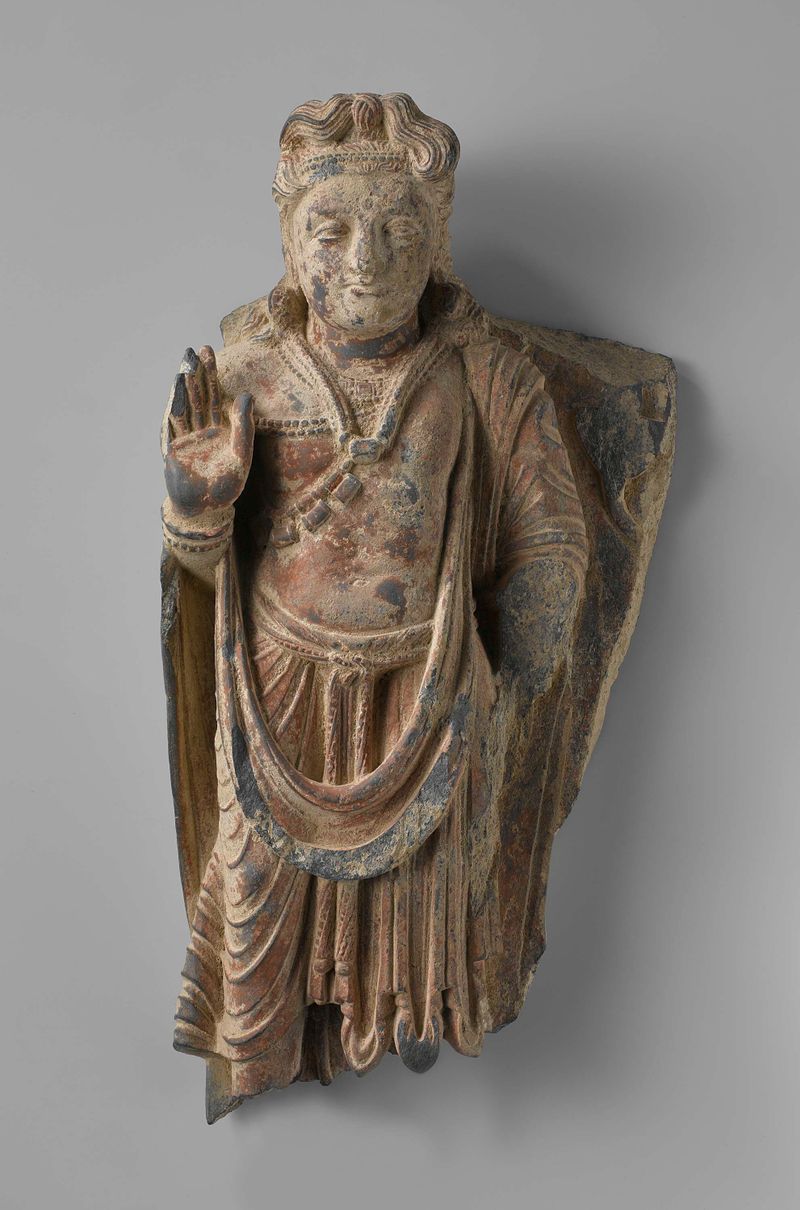
The bodhisattva Maitreya
Unknown Artist
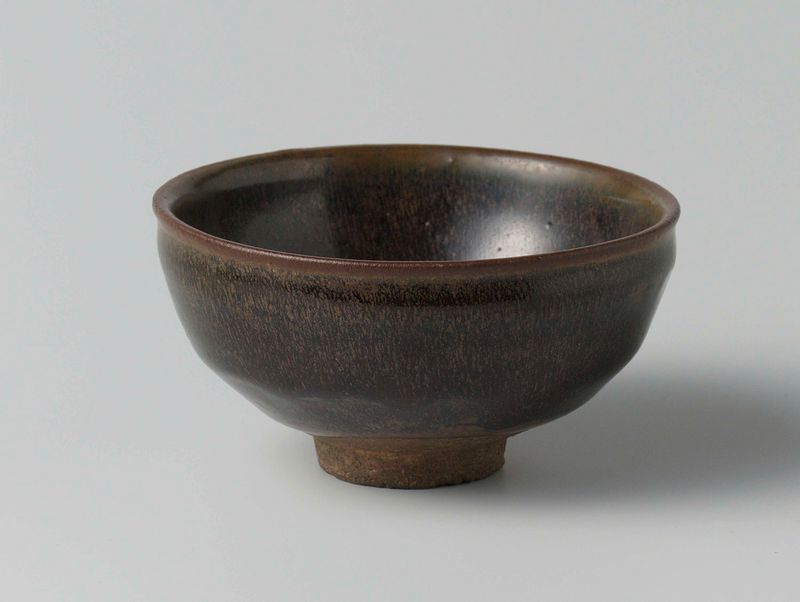
Teabowl with a 'hare's fur' glaze
Unknown Artist
More Religious Art
Browse all →
The Return of the Prodigal Son
Rembrandt van Rijn

The Garden of Earthly Delights
El Bosco

Count Orgaz’ funeral
El Greco

The Hundred Guilder Print: the central piece with Christ preaching, the plate arched
Rembrandt van Rijn

The Descent from the Cross
Rogier van der Weyden

The return of the prodigal son
Rembrandt van Rijn