Gipsy tents — History & Facts
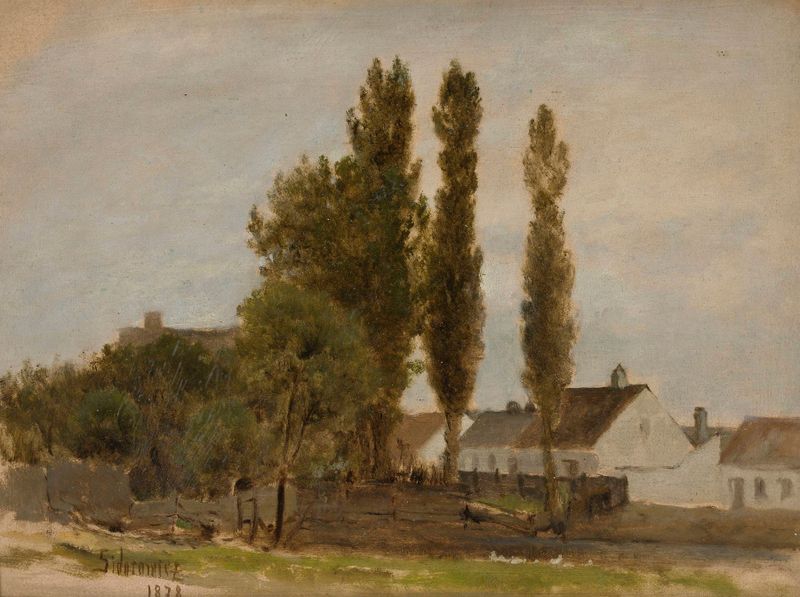
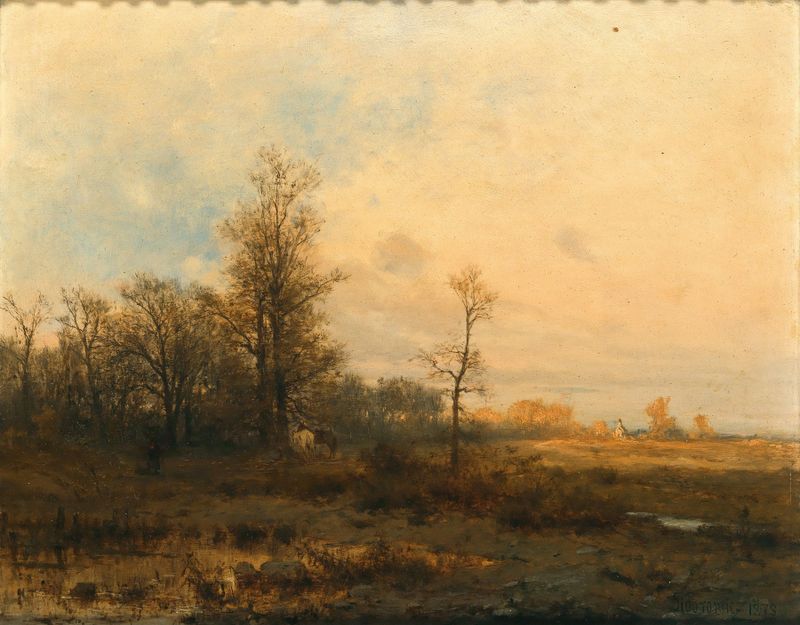
In the heart of a landscape, the canvas breathes a poignant tale of loss, woven between the vibrant hues of life and the shadows of sorrow. Look to the edges of the work, where the gipsy tents unfurl like colorful petals against a muted backdrop. The artist employs lively brushstrokes, richly saturated colors that dance between ochres and deep greens, inviting the viewer to explore the dynamic interplay of light and shadow. Notice how the tents, though lively and inviting, hint at an unsettling stillness; they appear both part of the landscape and separate from it, embodying the transient nature of existence. As you absorb the scene, consider the delicate contrasts at play: the lively tents juxtaposed with the haunting emptiness of the surroundings.
Each tent tells a story of community and belonging, yet they stand alone, whispering of nomadic lives touched by impermanence. The choice of color elicits both warmth and melancholy, as if the very fabric of the tents holds the weight of the lives lived beneath them—a longing for stability amidst ceaseless movement. Created in 1876, this work reflects Zygmunt Sidorowicz’s engagement with the shifting currents of Romanticism and realism in Eastern Europe. At this time, Sidorowicz was deeply influenced by the cultural landscapes that surrounded him, as the tensions of modernity began to impinge upon traditional ways of life.
This painting stands as a testament to that era’s duality: the desolation of loss intertwined with the vibrancy of existence.